Written By |
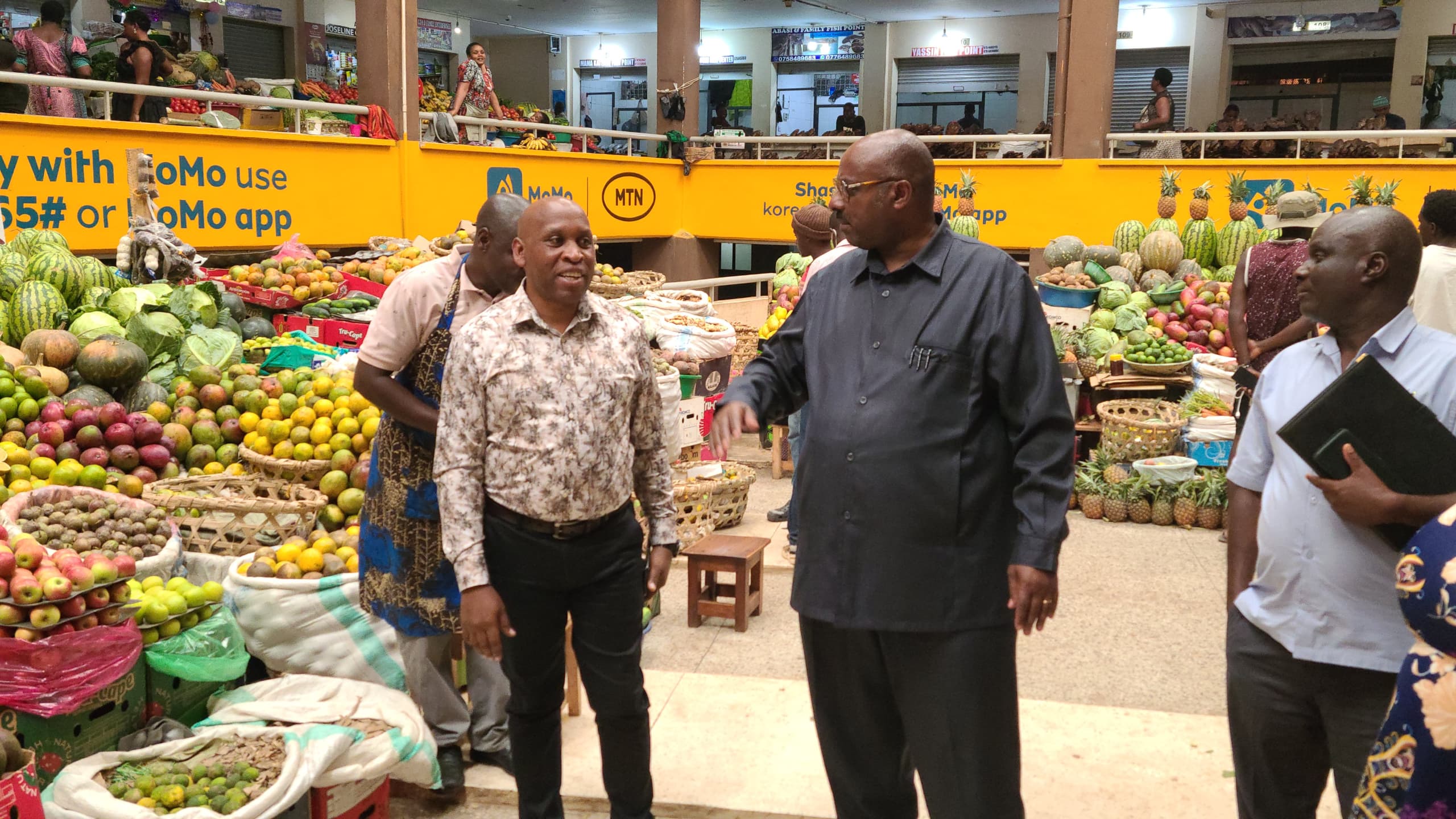
Permanent Secretary Ben Kumumanya visiting Mbarara Central Market in Mbarara City to assess the functionality of the facility and evaluate trade. (Photo by Milton Niinga)
By Milton Niinga
Ben Kumumanya, the Permanent Secretary in the Ministry of Local Government, has expressed concern over the continued reluctance of vendors to occupy markets constructed under the Markets and Agricultural Trade Improvement Programme (MATIP).
This issue has been reported in various markets, including Lugazi Central Market, Mbarara Central Market, Fort Portal Central Market, Busega Market, Kabale Central Market, Soroti Central Market, Hoima Central Market, and USAFI Market in Kampala. In many cases, vendors are hesitant to take up stalls in the newly constructed facilities due to high rental costs and concerns about space allocation.
In some instances, vendors have rejected the market designs, as seen in Moroto Central Market, which was built under MATIP with funding from the Arab Bank for Economic Development in Africa (BADEA). Other markets, such as the one in Muhanga, face accessibility challenges, which have made it difficult for vendors to attract customers.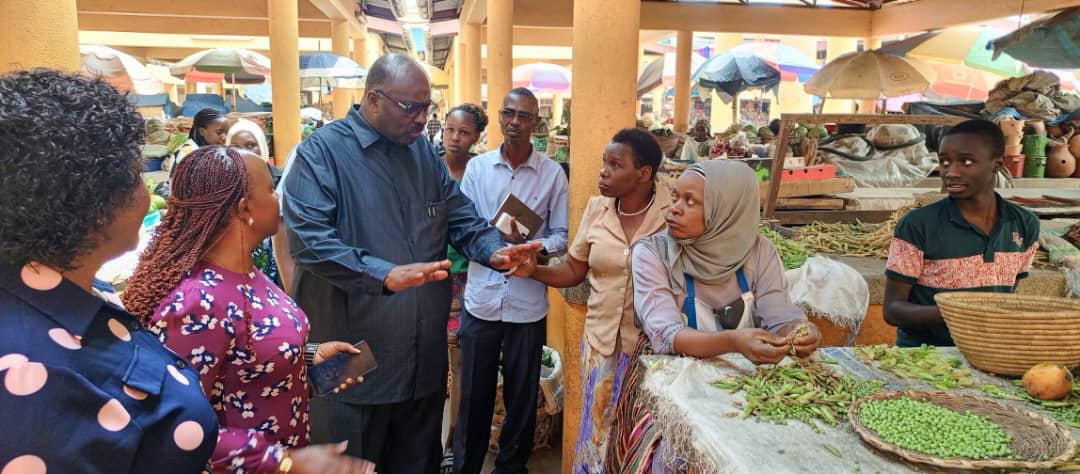
Ben Kumumanya in Fort portal market with vendors during the visit to investigate claims that unregistered petty vendors who had originally no stalls were in the market. (Photo by Milton Niinga)
Kumumanya’s concerns underscore the need for the government to address these issues and ensure that the markets are functional, accessible, and economically viable for both vendors and consumers. This would help foster local economic growth and development.
Despite some challenges, Mbarara Central Market is thriving, with 1,403 vendors currently operating, contrary to claims that it was a white elephant project. Kumumanya made these observations after inspecting the market, along with Kabale Central Market, which now accommodates 1,451 vendors.
His visit followed media reports alleging that vendors had abandoned the MATIP markets. However, the Permanent Secretary found both Mbarara and Kabale markets to be fully operational, even during the festive season.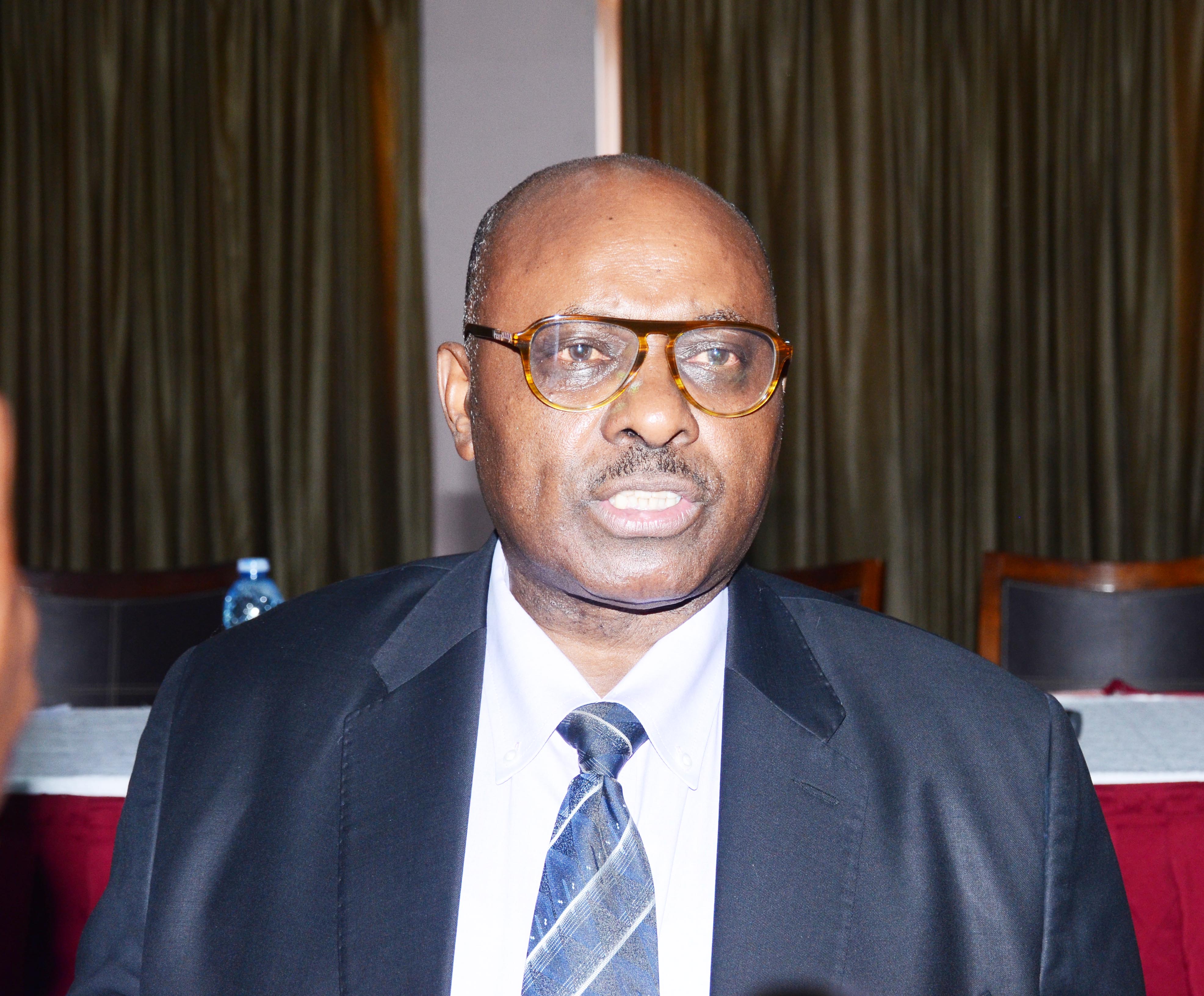
Ministry of Local Government Permanent Secretary Ben Kumumanya speaking to the media at his office on MATIP markets that he says are transforming petty traders in the country. (Photo by Milton Niinga)
In fact, all markets constructed under MATIP Phases I and II across the country are functional and attracting significant vendor activity. For instance, Soroti Main Market hosts 2,032 vendors, Arua Main Market 3,836, and Kitooro Central Market in Entebbe 1,327.
These markets have contributed significantly to improving the socio-economic well-being of local communities, enhanced service delivery, and boosted revenue collection. In Soroti District, for example, annual revenue collection increased from UGX 30 million to UGX 300 million. Mbarara Central Market alone generated UGX 1.25 billion between January and February 2024.
MATIP markets have also created employment opportunities, particularly for women, youth, and produce suppliers. In Soroti City, 20% of the jobs created under MATIP have been taken up by women. The markets offer improved working conditions, including proper drainage, access to clean water, sanitation facilities, electricity, and security.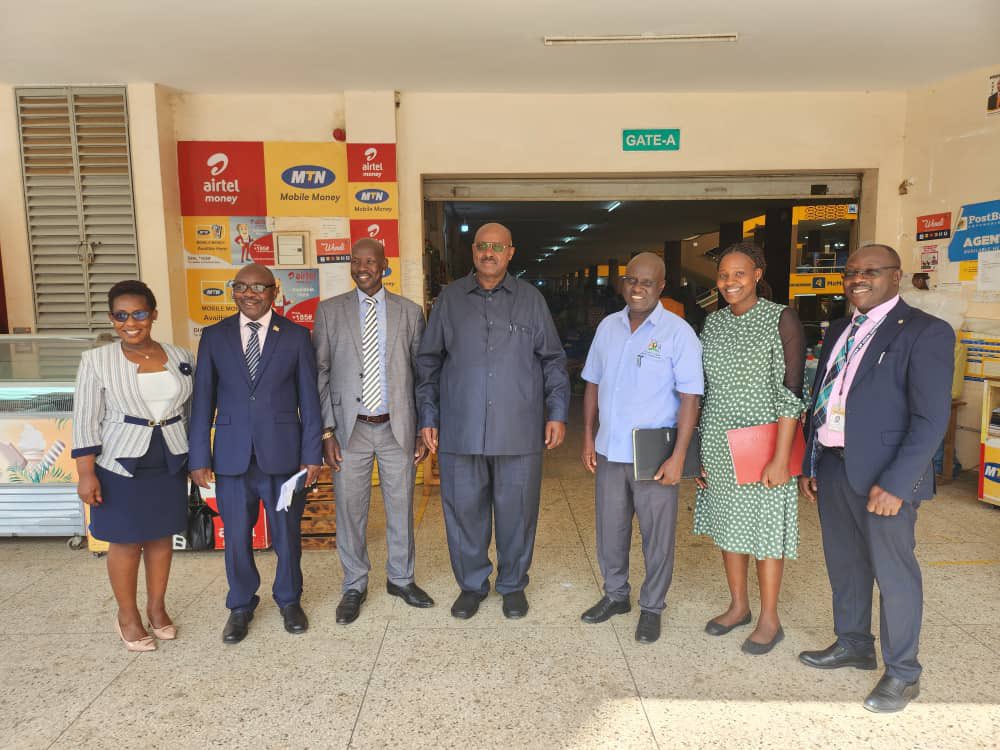
PS Kumumanya with Mbarara Central Market leaders in a group picture during the visit to the trading facility. (Photo by Milton Niinga)
Mpanga market uplifting lives, aays Kumumanya
Kumumanya commended Mpanga Market in Fort Portal City for its transformative impact on community livelihoods and economic development. During his visit to the fully occupied market and other local development projects, he praised the market’s role in supporting the Parish Development Model (PDM) by connecting farmers with ready markets.
Addressing vendors and local leaders at the Ministry offices in Kampala on Tuesday, Kumumanya pledged to work with city authorities to address ongoing challenges and reaffirmed the government’s commitment to supporting local businesses.
"With 600 stalls, 200 shops, and 400 pitches, Mpanga is the largest market in Fort Portal City. It was constructed in 2013 with funding from the African Development Bank under the first phase of the Markets and Agricultural Trade Improvement Programme (MATIP)," he said.
Mbarara and Kabale markets operational
During his visit to Mbarara and Kabale, Kumumanya emphasized that both markets remained fully operational despite the Christmas and New Year holidays.
"Mbarara Central Market currently has 1,403 vendors, while Kabale Central Market has 1,451. All markets built under MATIP I and II across the country are operational. Soroti Main Market has 2,032 vendors, Masaka Central Market 850, Arua Main Market 3,836, and Kitooro Central Market in Entebbe 1,327," he said.
He added that Lugazi Central Market has 686 vendors, Kasese Central Market 1,070, Busia Main Market 1,737, Tororo Central Market 1,320, Lopeduru Market in Moroto 758, and Kitgum Central Market 2,058.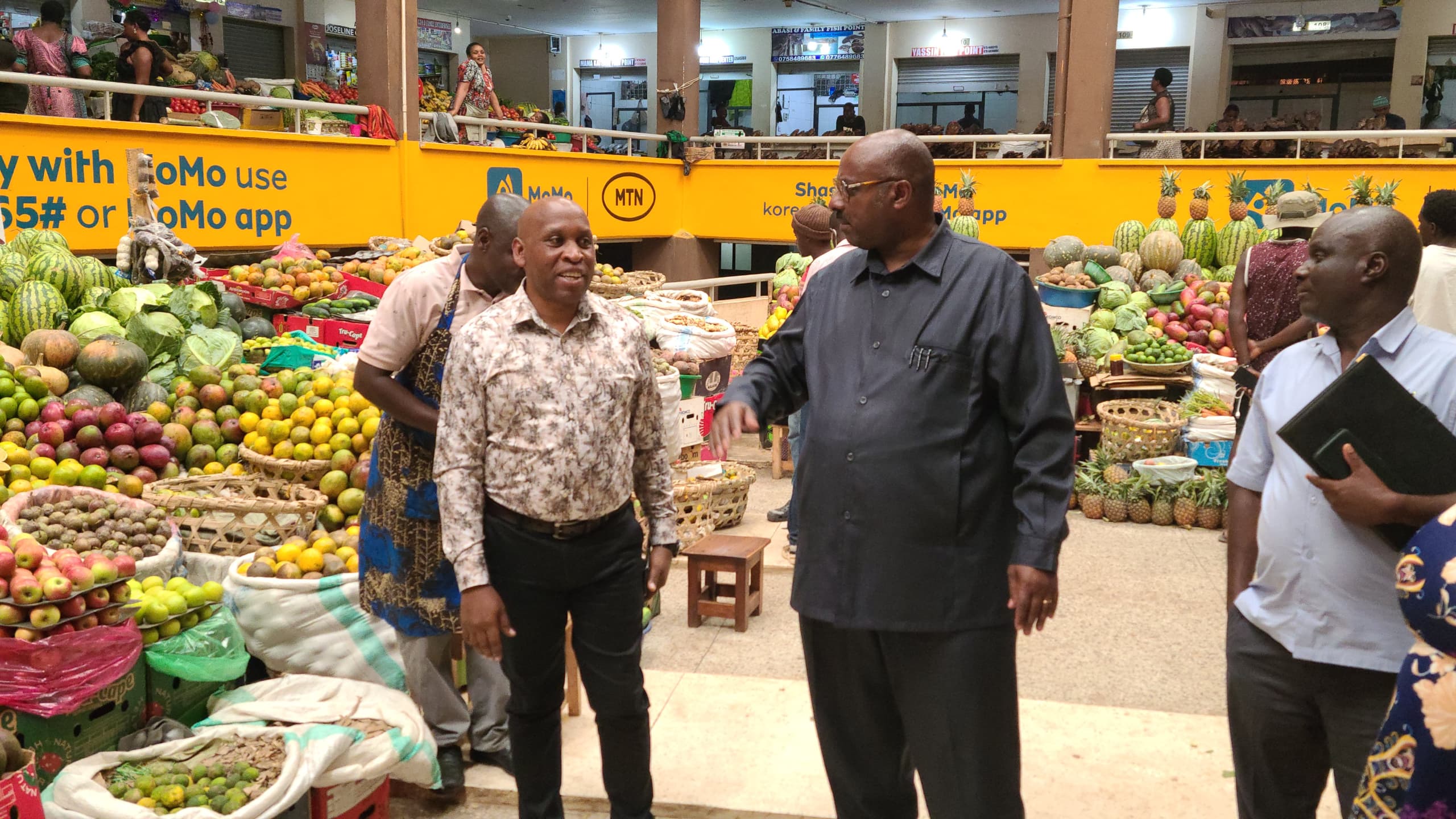
Busega market opens with many stalls still vacant
The new Busega Market was officially opened to vendors on Thursday, November 28, 2024, following its completion. Authorities hoped the development would help eliminate roadside vending in Busega, although full occupancy remains a challenge.
Construction of the market began in 2015 under the MATIP project, jointly funded by the Government of Uganda and BADEA. The Kampala Capital City Authority (KCCA) has since opened the facility to vendors and plans to establish a management committee to ensure full occupancy and effective operation.
Torch Media Africa



