KAMPALA
The World Health Organization (WHO) has reported 906 suspected Ebola cases and 223 suspected deaths linked to the Bundibugyo strain in an ongoing outbreak affecting parts of the Democratic Republic of Congo (DRC) and Uganda.
Despite the rising numbers, WHO says Uganda is not experiencing community transmission, noting that all detected infections so far are linked to cross-border movement and are being closely monitored under isolation and containment protocols.
The outbreak, which is largely concentrated in eastern DRC, has been described by health officials as one of the most complex in recent years due to insecurity, population displacement, and limited access to affected communities. The provinces of Ituri, North Kivu, and South Kivu have reported the highest numbers of suspected cases and deaths.
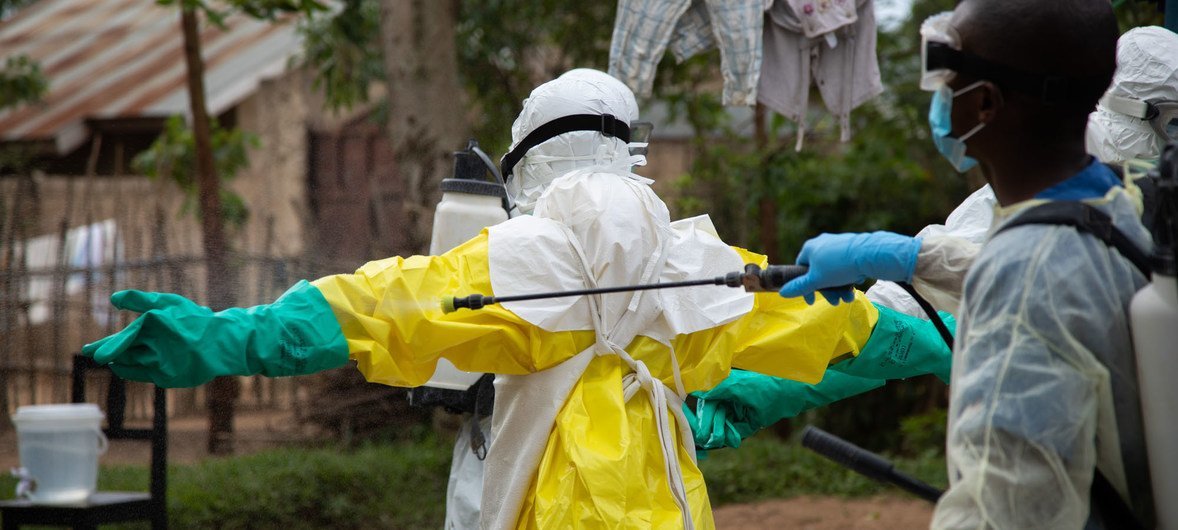
Health responders say delayed detection and gaps in surveillance in hard-to-reach areas may have contributed to the rapid spread of infections before containment measures were fully established. Emergency teams continue to trace contacts and isolate suspected patients.
In Uganda, the Ministry of Health has intensified screening at all border entry points, especially in districts bordering the DRC, as part of efforts to prevent local transmission. Authorities have also strengthened surveillance in health facilities and community reporting systems.
Officials emphasise that although Uganda has recorded a small number of imported cases, there is currently no evidence of sustained human-to-human transmission within communities. All confirmed patients are receiving care in isolation units.
WHO has warned that the risk of regional spread remains high due to frequent cross-border movement for trade, family visits, and informal travel routes. Health agencies are urging communities to remain vigilant and report any suspected symptoms immediately.
The Bundibugyo strain of Ebola, first identified in Uganda in 2007, is a severe haemorrhagic fever virus known for high fatality rates, which in previous outbreaks have ranged between 25 and 50 percent depending on response speed and access to care.
Unlike other Ebola variants, there is currently no widely licensed vaccine specifically proven to protect against the Bundibugyo strain. Health experts say response efforts must therefore rely heavily on rapid case detection, isolation, supportive treatment, and strict infection prevention measures.
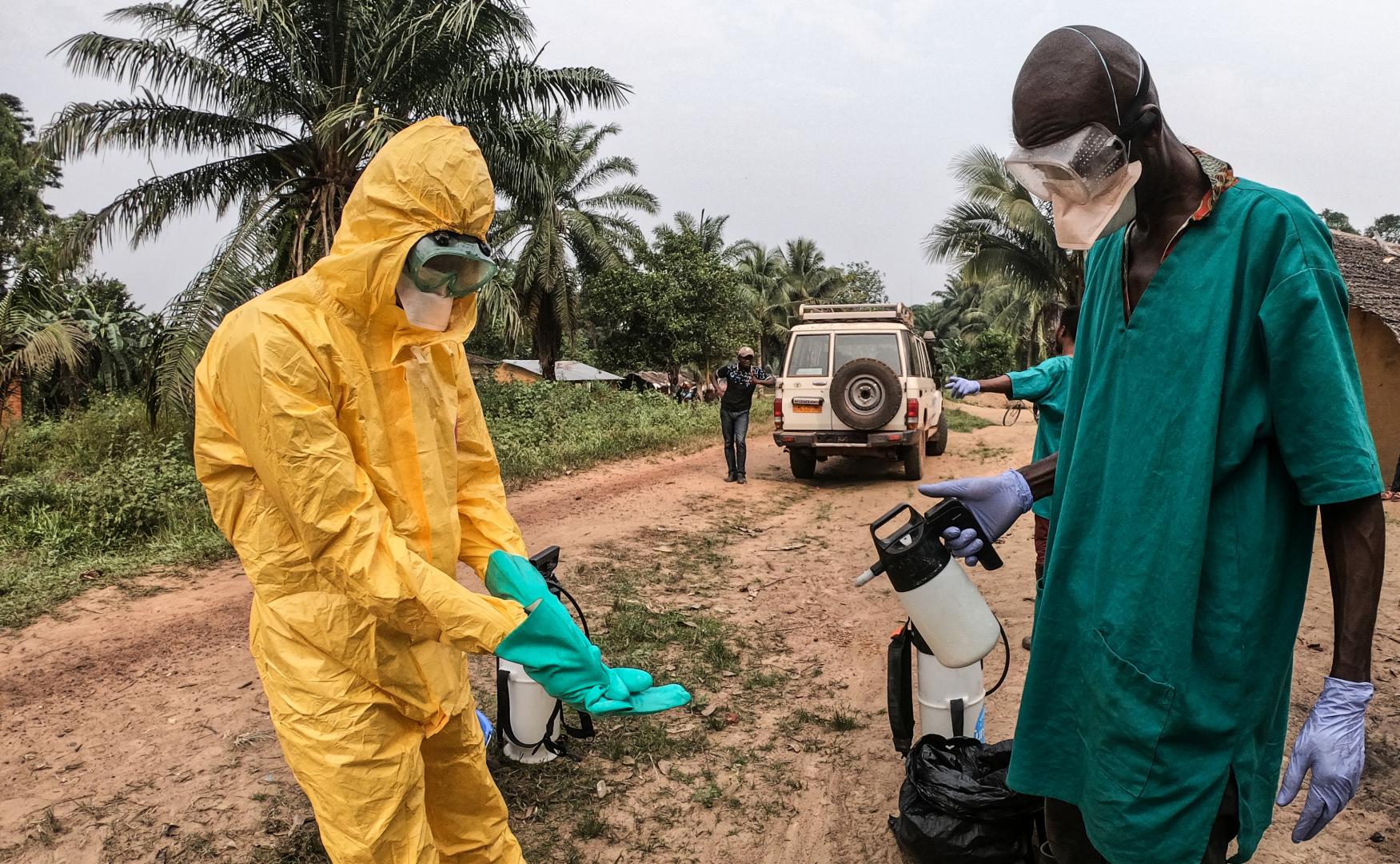
WHO has called for the urgent scaling up of funding and logistical support to strengthen treatment centres, laboratory capacity, and field surveillance teams across affected regions. The agency says early containment is still possible if interventions are sustained and well coordinated.
Public health experts caution that ongoing insecurity in eastern DRC continues to hinder outbreak control, with some areas remaining inaccessible to health workers. This, they say, increases the risk of undetected transmission chains.
Authorities in both Uganda and the DRC continue joint cross-border coordination efforts aimed at tracking cases and preventing further spread. Emergency response teams remain deployed in high-risk districts.
Health officials are urging the public to avoid direct contact with suspected cases and to seek immediate medical attention if they develop symptoms such as sudden fever, vomiting, diarrhoea, unexplained bleeding, or severe weakness. The outbreak remains under active international surveillance as containment efforts intensify across the region.
Torch Media Africa
Published By | News Editor