Written By |
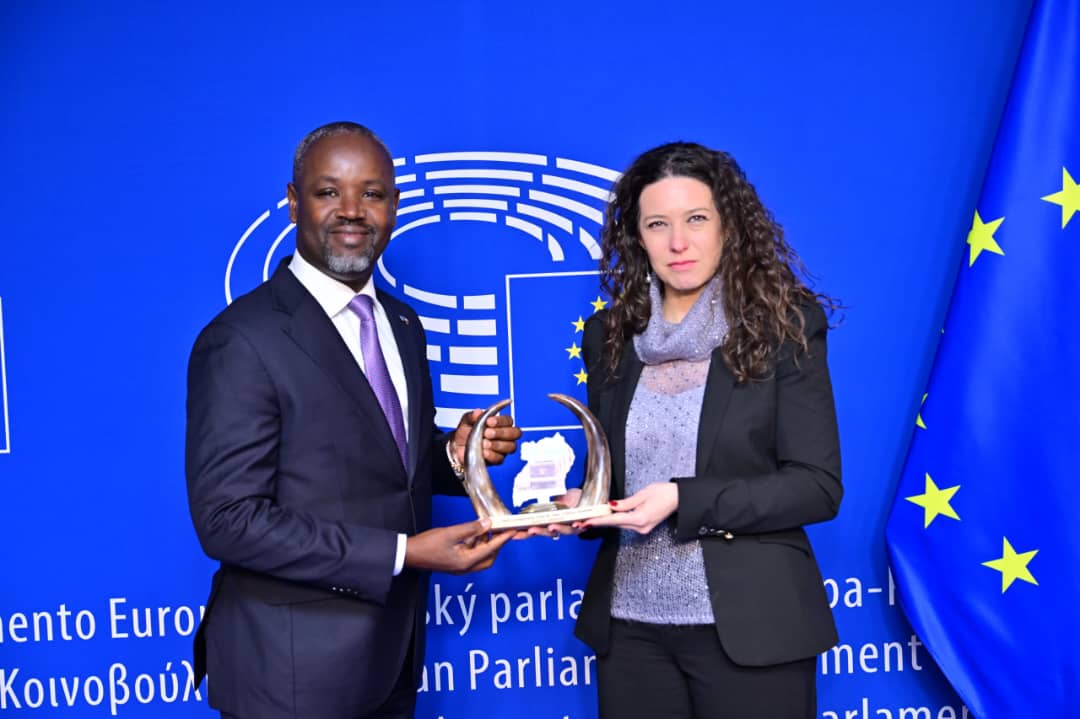
Tayebwa during a meeting with Antonella Sberna, the Deputy President of the EU Parliament, in Brussels, Belgium.
By Our Reporter
Deputy Speaker of Parliament Thomas Tayebwa has called on the European Union (EU) Parliament to fast-track Uganda’s removal from its anti-money laundering and terrorism financing grey list. Uganda has been on the EU grey list since 2016. Tayebwa made the appeal on Wednesday during a meeting with Antonella Sberna, the Deputy President of the EU Parliament, in Brussels, Belgium. Over the years, Uganda has made several legislative amendments to comply with the EU’s delisting requirements. The most recent amendment, passed this month, updated the Anti-Money Laundering Act to exclude non-governmental organizations (NGOs), churches, and other charitable entities from the list of accountable organizations.
“For the first time, Parliament amended seven laws in just two weeks to meet the requirements,” Tayebwa told his EU counterpart.
While the EU Commission’s anti-money laundering department acknowledges Uganda’s compliance, only the EU Parliament has the power to officially delist the country. The EU’s grey list is informed by the Financial Action Task Force (FATF) grey list, from which Uganda was removed in February last year. However, the country remains on the EU list, pending parliamentary approval.
Uganda’s delisting requires the passage of a resolution that includes six countries, only four of which have met the necessary compliance standards. “The EU Commission has expressed support for splitting the resolution so that the four compliant countries, including Uganda, can be removed. However, we were informed that the European Parliament rejected this proposal,” Tayebwa said.
He urged the EU Parliament to reconsider its stance.
“Madam President, I have a specific request—to push for the resolution to be split so that countries that have met the requirements can be delisted,” he added.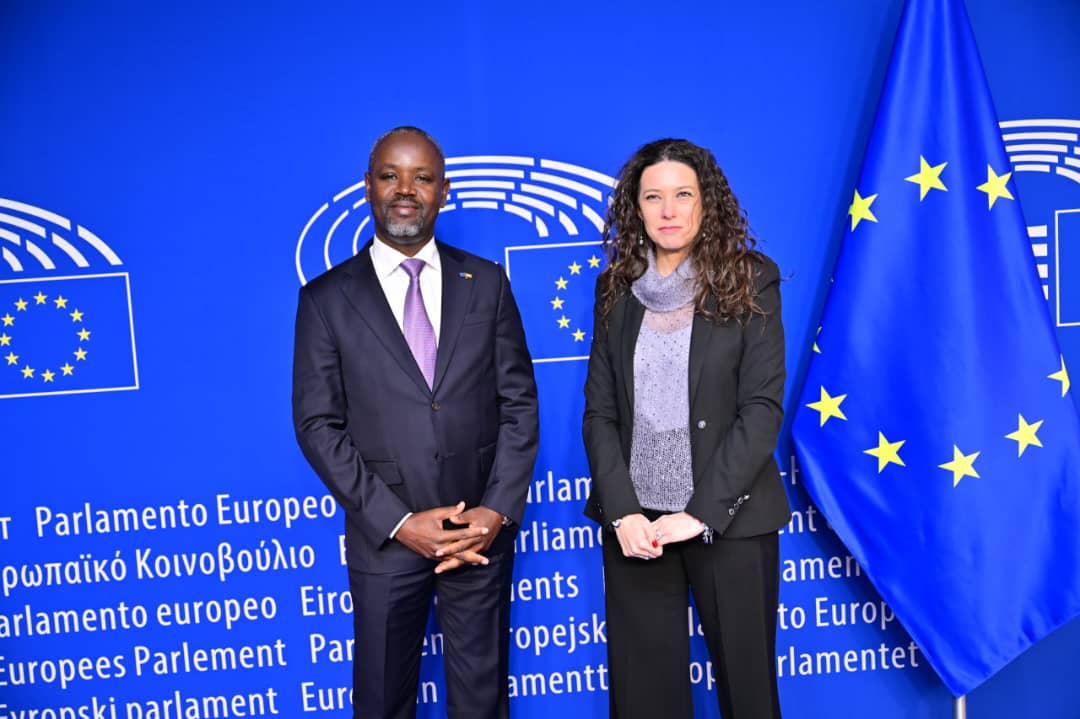
Tayebwa stressed that Uganda’s continued presence on the grey list negatively impacts trade and investment. He pointed out that Uganda maintains a trade surplus with the EU, which stood at $130.67 million (UGX 478 billion) in 2024. During a recent meeting, EU investors and ambassadors told President Museveni that delisting Uganda would enable them to access more affordable and attractive funding to invest in the country.
Otuke County legislator Paul Omara, who was part of the delegation, noted that Uganda’s grey-listing affects its credit rating with agencies such as Moody’s, making it difficult to secure loans from multilateral organizations and global financial institutions.
“Uganda can only access credit at higher interest rates due to its grey-list status,” Omara explained.
Uganda’s Ambassador to Belgium, Mirjam Blaak, echoed similar concerns, stating that potential investors have repeatedly raised the issue. “I have met companies interested in Uganda’s tourism sector, but they say banks refuse to provide guarantees because Uganda is still on the grey list,” she said.
Concerns over EU deforestation regulation
During the discussion, Tayebwa also raised concerns about the European Union Deforestation Regulation (EUDR), a law designed to prevent products linked to deforestation from entering EU markets. He warned that the law could disproportionately harm developing countries, including Uganda.
The EU is the primary market for Uganda’s coffee, which is mainly produced by smallholder farmers.
“This law will severely impact small-scale farmers in Uganda and Africa. Such non-tariff barriers will hit the poorest of the poor the hardest,” Tayebwa cautioned.
Torch Media Africa