Written By | Evan Sande Ndahura
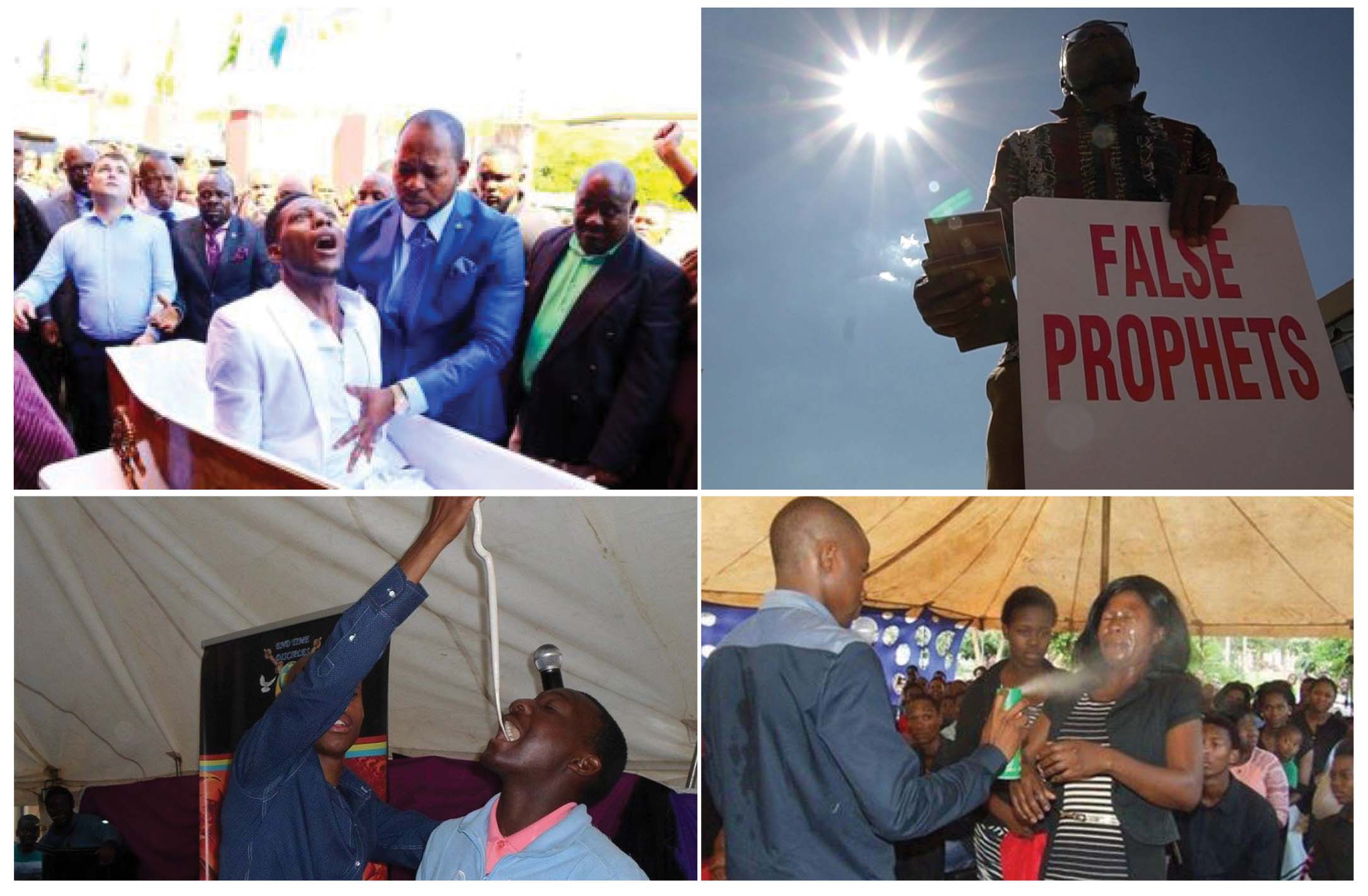
They promise miracles, money, marriages, and instant healing — in exchange for tithes, offerings, and loyalty
Twenty-five years ago, Uganda’s Kanungu District witnessed a horror the nation has never forgotten. More than 700 believers of The Movement for the Restoration of the Ten Commandments of God were burned alive in a locked church on 17 March 2000.
Their leader, Joseph Kibwetere, had convinced them to sell all they owned — promising they would “meet their Maker.”
When the end of the world failed to arrive, the church was nailed shut from the outside and set alight.
“Faith should lift humanity, not burn it.”
Today, the ruins of Kanungu still whisper the same warning. But across Africa, thousands continue to follow new prophets preaching the same deception in different tongues.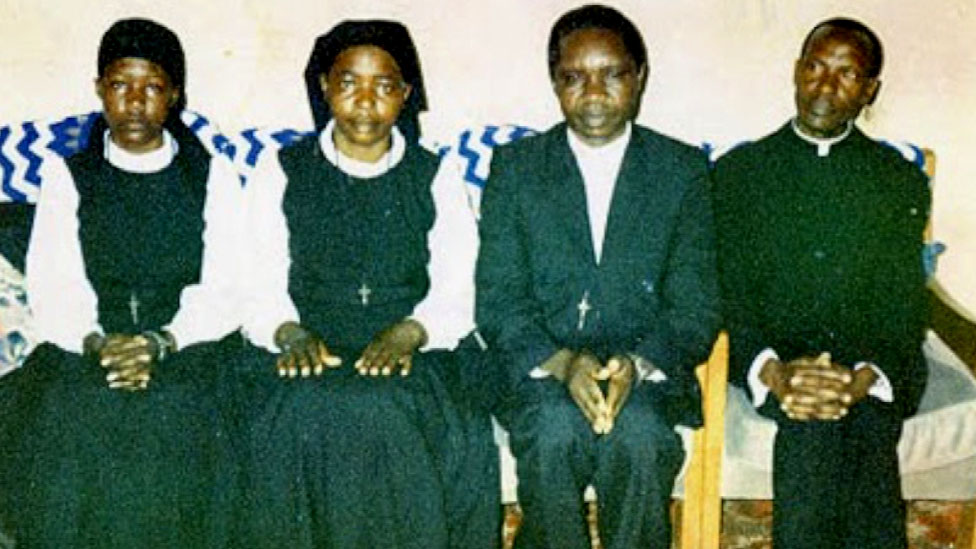
The team led by Kibwetere and Keredonia that burnt masses in Kanungu
A Continent Captured by the Collar
From the sprawling slums of Lagos to the suburbs of Kampala and the hills of Kivu in the DR Congo, self-proclaimed “men of God” have built empires out of desperation.
They promise miracles, money, marriages, and instant healing — in exchange for tithes, offerings, and loyalty.
In Nigeria, investigative reports have documented hundreds of “prophets” who command multimillion-dollar followings. Some own private jets, estates, and television stations — while their congregations starve.
In Uganda, the story repeats itself. Arcades, farms, and mansions rise in the names of “servants of God,” yet many of these men have never built a classroom or clinic for the communities that feed them.
Governments, instead of investigating them, protect them — because fake prophets are political assets. During campaigns, they bless candidates, prophesy victory, and mobilise crowds. In return, they are rewarded with land, military escorts, and tax exemptions.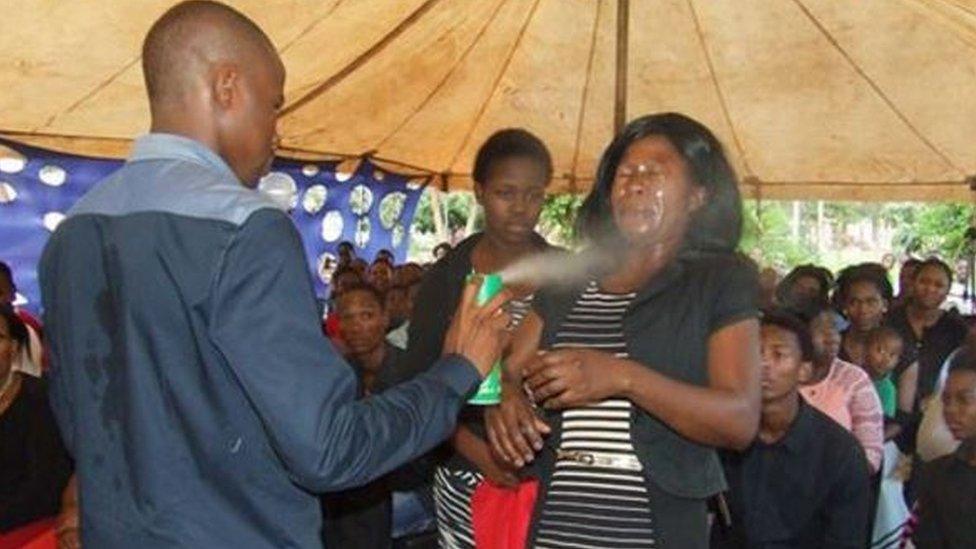
Religion Turned Into Business
In Kampala, a prophet once claimed he could turn bottled water into petrol. Cameras rolled, the crowd cheered — then days later he was spotted refuelling at a fuel station. If he had true power, why not turn Lake Victoria into a national oil reserve?
The truth is clear: this is performance, not prayer. In western Uganda, Owobusobozi Bisaka called himself God Almighty and demanded worship. When he died, he received a state-honoured burial. If he was God, could God die? In Nigeria, TB Joshua’s followers waited months for his resurrection. It never came.
Scripture Had Already Warned
“Many false prophets shall rise, and shall deceive many.” — Matthew 24:11
“Beware of false prophets, who come to you in sheep’s clothing.” — Matthew 7:15
These were not prophecies for far-off lands; they describe today’s Africa — where the gospel has become a marketplace and deception wears a clerical collar.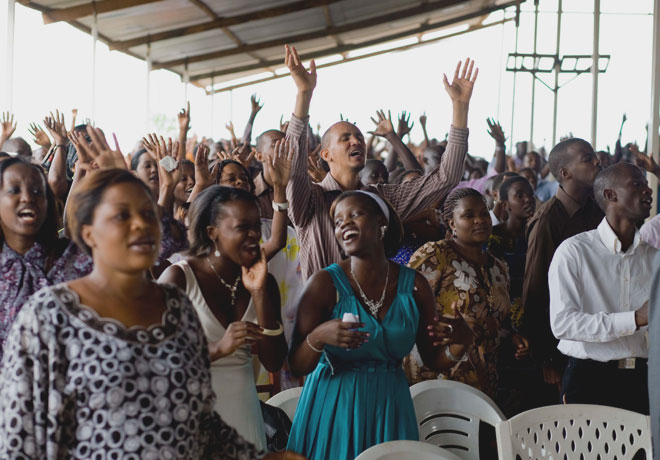
The Gospel of Poverty and Fear
In slums and villages, jobless youth are told their suffering is caused by witchcraft, not poor leadership.
They give their last coins as “seeds of faith,” hoping for miracles that never come.
Governments fail to create jobs or build hospitals — and fake prophets fill the vacuum. They claim to heal HIV, cancer, and diabetes through prayer, yet hospitals like Mulago overflow.
If miracles were real, why not heal patients in hospital wards instead of collecting offertory?
Political Protection: The Devil’s Alliance
Ugandan pastors are often seen with armed escorts, invited to national prayer breakfasts, and treated as state guests.
Why? Because they command crowds and can declare divine endorsement for political leaders.
In return, they receive land, tax breaks, and protection — a trade of holiness for influence.
Counting the Cost
The Kibwetere inferno, the massacres in the DRC, and countless church scams are all signs of a deeper crisis: Africans worship without questioning.
Every time someone sells land to fund a fake miracle or refuses medicine for “holy water,” faith itself dies a little more. “When the state fails, false prophets rise.”
The Way Forward
Africa doesn’t need less faith — it needs informed faith.
Governments must regulate churches like other businesses: register them, audit them, and tax them.
Believers must read Scripture themselves instead of depending on those who twist it for tithes.
“You shall know the truth, and the truth shall set you free.” — John 8:32
Faith is sacred. But when faith turns blind, it burns — just as it did in Kanungu.
Until truth returns to the altar, Africa will keep praying in the smoke of deception.
Torch Media Africa



