Written By |
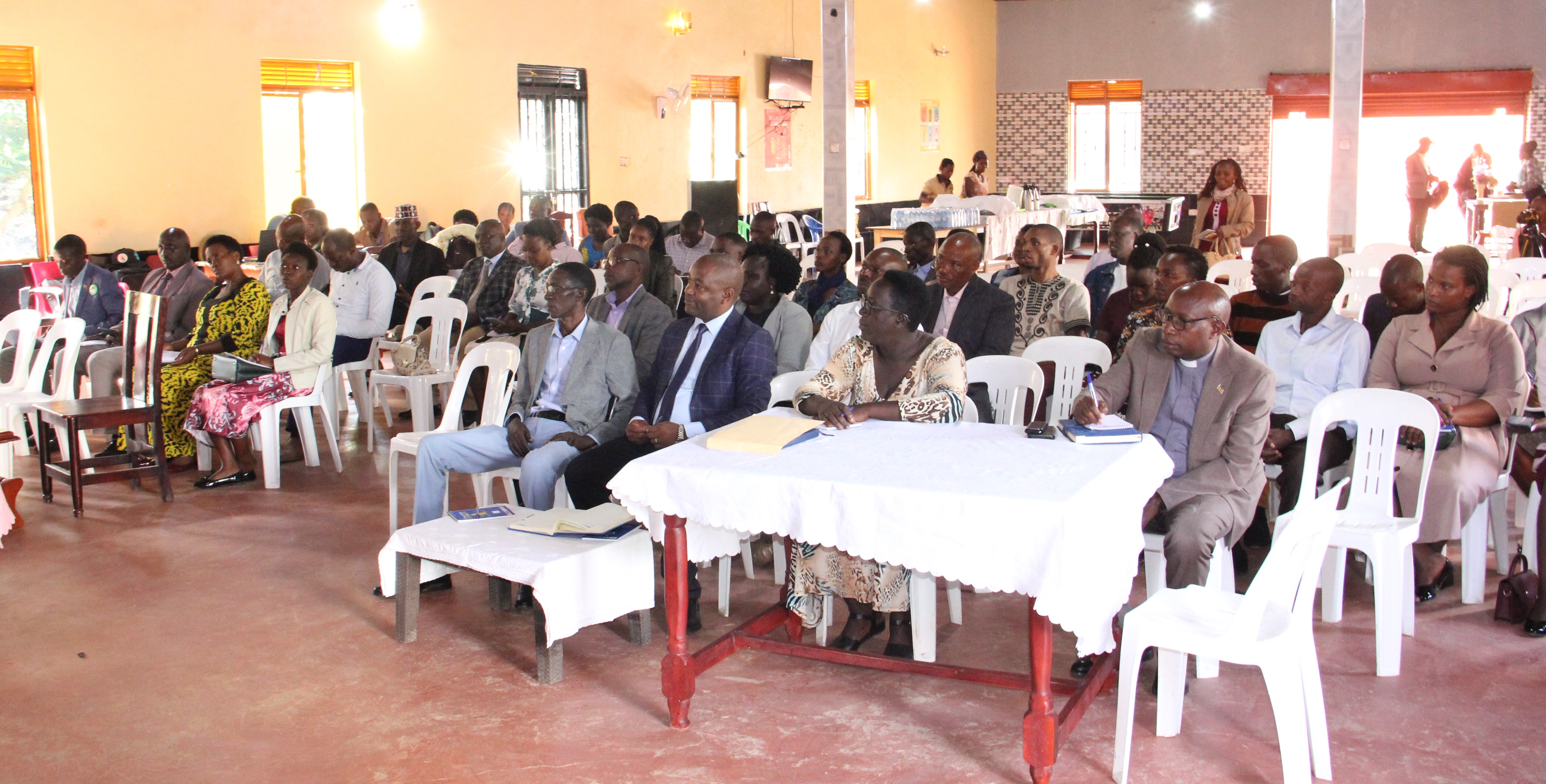
Some of the trainees that were taken through Gender Based Violence and Violence against children in Schools
By Jovita Hasto
ISINGIRO - The Ministry of Education and Sports, through the Uganda Secondary Education Expansion Project (USEEP), has begun training secondary school teachers in Isingiro District on non-violent ways of disciplining students. Despite the government’s ban on corporal punishment in schools, some teachers continue to engage in this barbaric practice, as evidenced by recent videos circulating on social media. In light of these incidents, the Ministry of Education believes there is still a critical need to sensitize teachers, communities, and district leaders on creating and maintaining a safe and supportive learning environment for children.
The three day training conducted by officials from the Ministry of Education under Uganda Education Expansion Project is being implemented by Science Teaching and Innovations Africa in partnership with Luigi Giussani Foundation organisations. It aims to equip teachers with peaceful and effective methods of discipline to ensure learners remain in school and feel safe in the learning environment and eliminating all forms of violence against children in schools.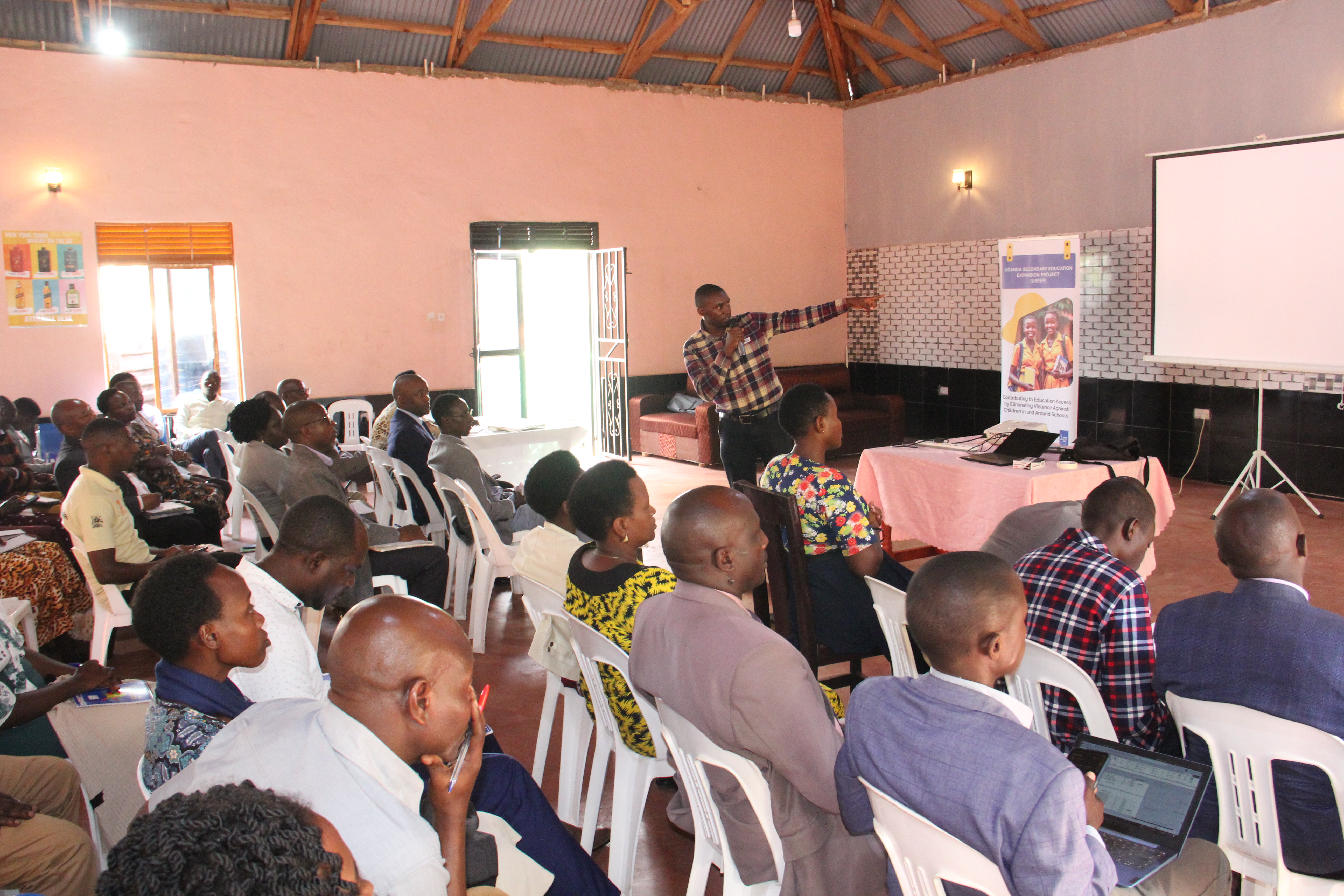
Makanga Herman from MOES leading training
Ms. Agatha Natukunda, the Senior Education Officer of Isingiro District, said senior staff in schools have the potential to address issues of violence between teachers and learners and ensure inclusive responses.
“Senior women and men in schools are encouraged to consider gender-related concerns that may arise while addressing gender-based violence and other forms of abuse. They should keep records of all reported cases and ensure they are forwarded to authorities for appropriate legal action,” she said.
She also noted that in many cases, male teachers harass female learners with the intention of having sexual relations with them, a practice that contributes to violence in schools.
“You’ll find male teachers having multiple student girlfriends in schools, which leads to fights among girls in dormitories, while senior staff remain silent,” she added.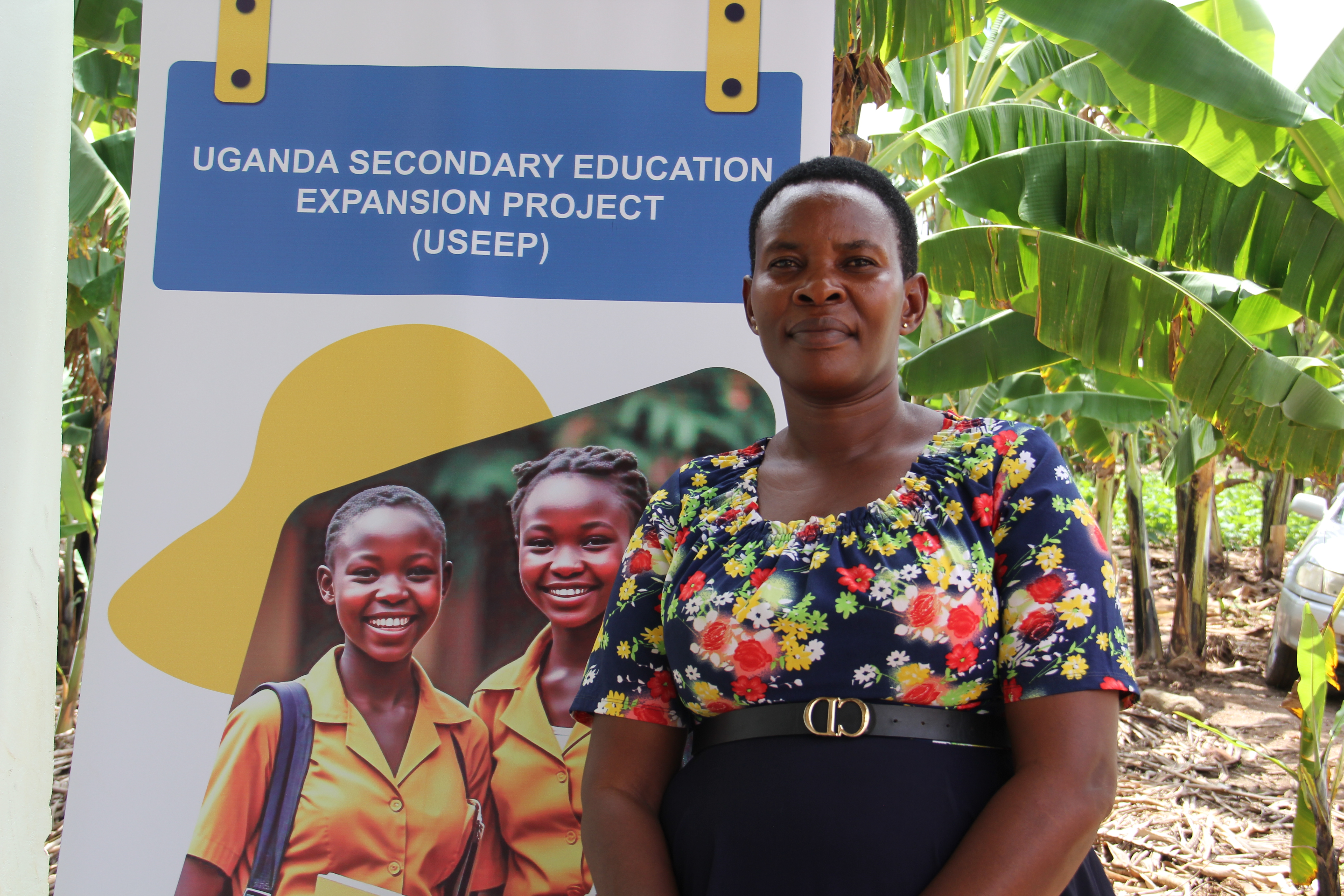
Agatha Natukunda - Senior Education Officer & Officer in charge of guidance and counseling at the District - Isingiro District
Ms. Natukunda condemned such acts and urged stakeholders and school heads to adopt alternative forms of discipline that do not cause physical or psychological harm to learners.
“I advise teachers to stop engaging in relationships with girls who are still in uniform. Such behavior contributes to school violence, including strikes, which we strongly discourage. This also applies to boda boda riders in the community,” she added.
Mr. Herbert Tuhirirwe, a teacher at Kikagati Seed Secondary School, acknowledged the prevalence of violence in schools and communities.
He explained that students often engage in fighting and bullying, particularly at night in dormitories, and that some forms of violence are even encouraged by teachers.
“For example, during strikes, you’ll find teachers secretly urging students to attack staff members or cooks, often over food portions or when students are stopped from forming inappropriate relationships,” he said.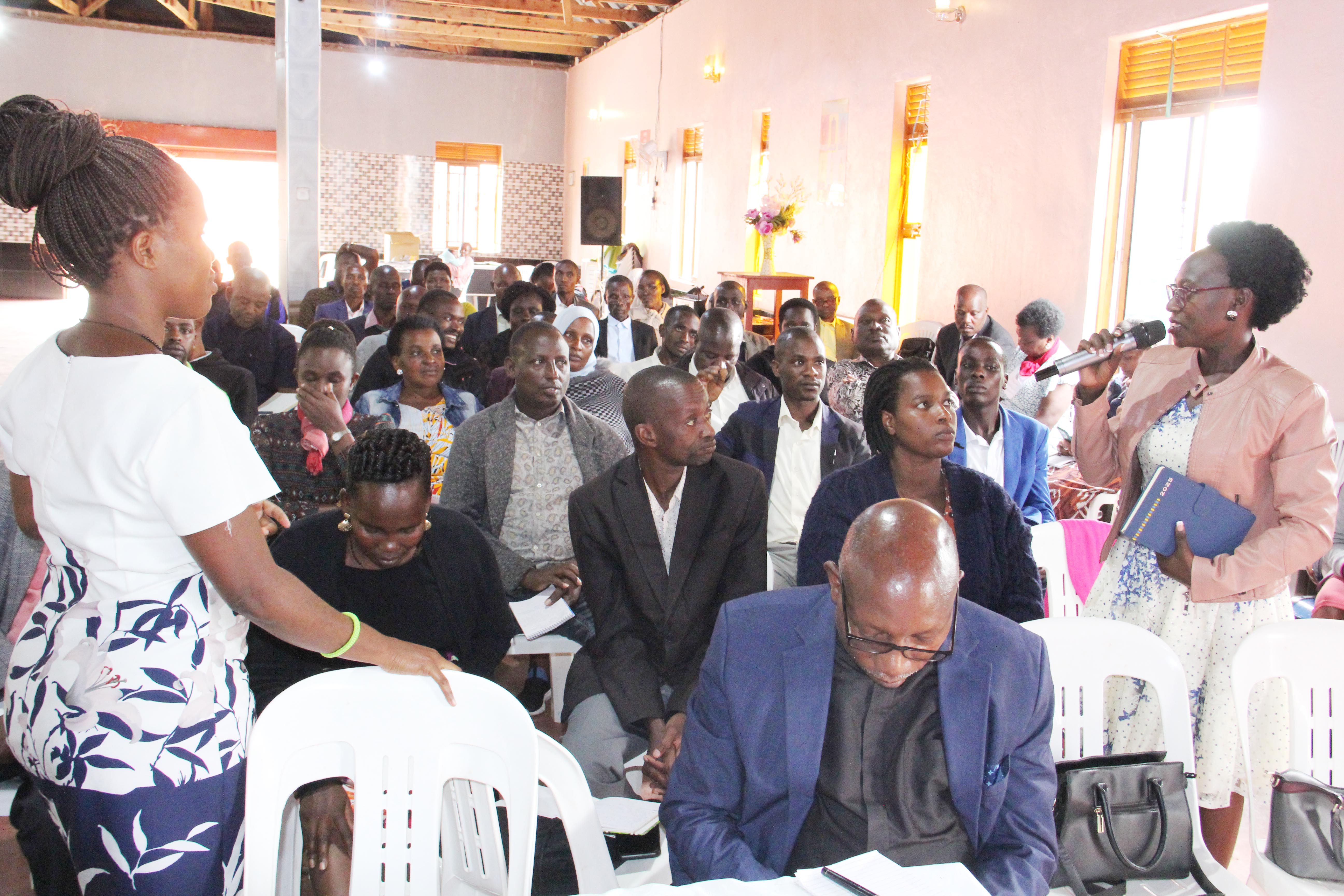
Mr. Tuhirirwe also highlighted the psychological impact of verbal abuse by teachers.
“Students lose morale when they are insulted by teachers, which can lead to school dropouts or even suicidal thoughts. Violence, whether verbal or physical, has a lasting impact on learners,” he added.
He called on school administrators to urgently address all forms of violence and instead encourage disciplinary actions like sweeping the compound or slashing grass for indisciplined students.
Ms. Speranza Mwigarire, a senior woman teacher at Masha Seed Secondary School, said that most violence among learners is expressed through bullying.
“Some students bully others while demanding school requirements or money. Often, those being bullied have very limited resources,” she said.
She added, “When students are forced to hand over their personal items in dormitories, it causes tension and violence. We normally intervene and encourage parents to provide adequate school supplies. At the same time, we discipline students who bully others by making them buy their own materials.”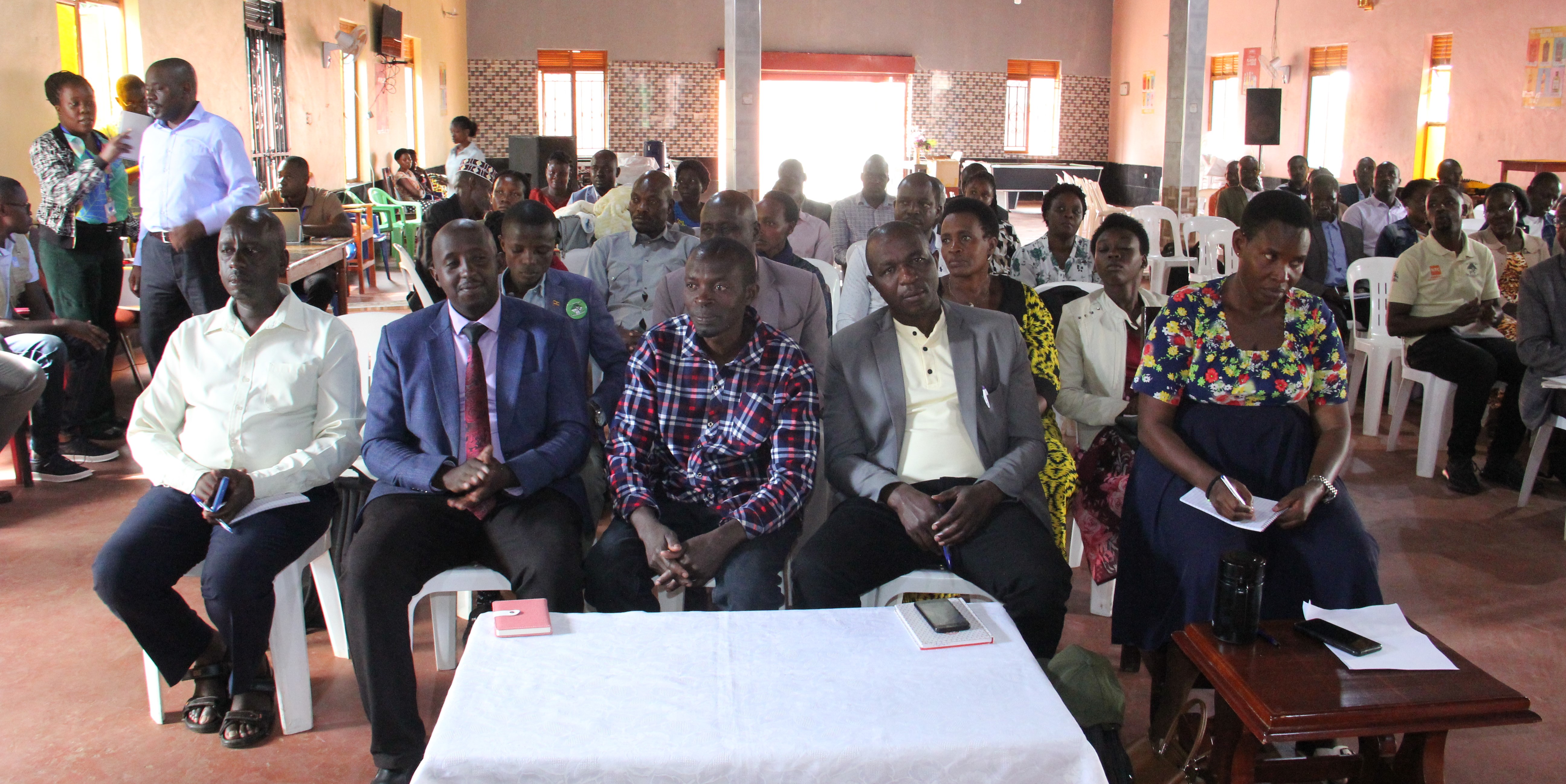
Some of the headteachers and teachers attending the training
Ms. Mwigarire believes that regular guidance and counseling sessions can help address such issues.
“Bullying can lead to tragic consequences, including death or self-harm. We should create a friendly environment where learners feel free to speak out and report such issues to school authorities,” she said.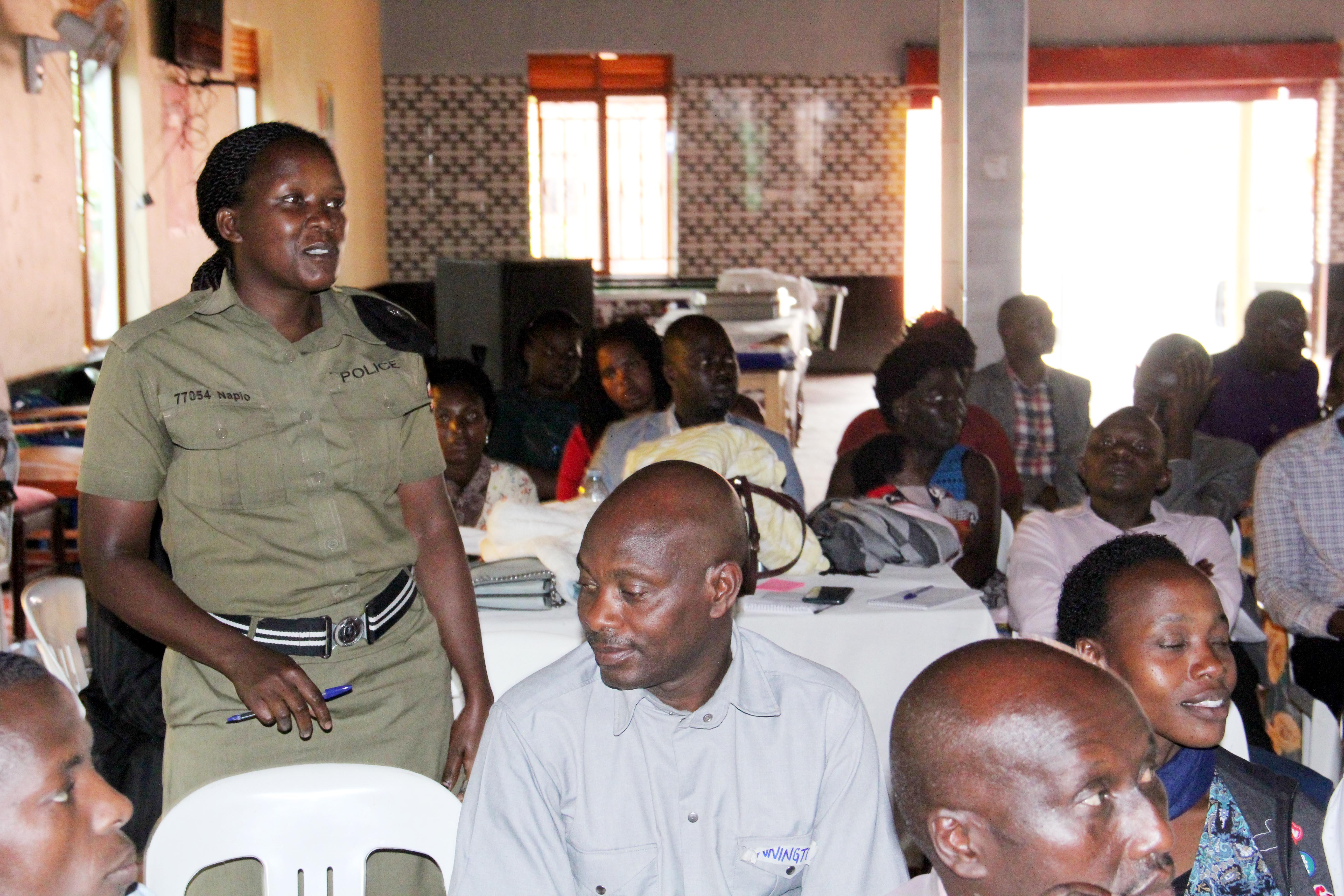
The training targeted a diverse group of participants including the District Education Officer, headteachers, senior male and female teachers, members of Boards of Governors, and classroom teachers. Also in attendance was Community Development Officers, Probation Officers, and officials from the Police’s Child and Family Protection Unit, among others.
Torch Media Africa