Written By |
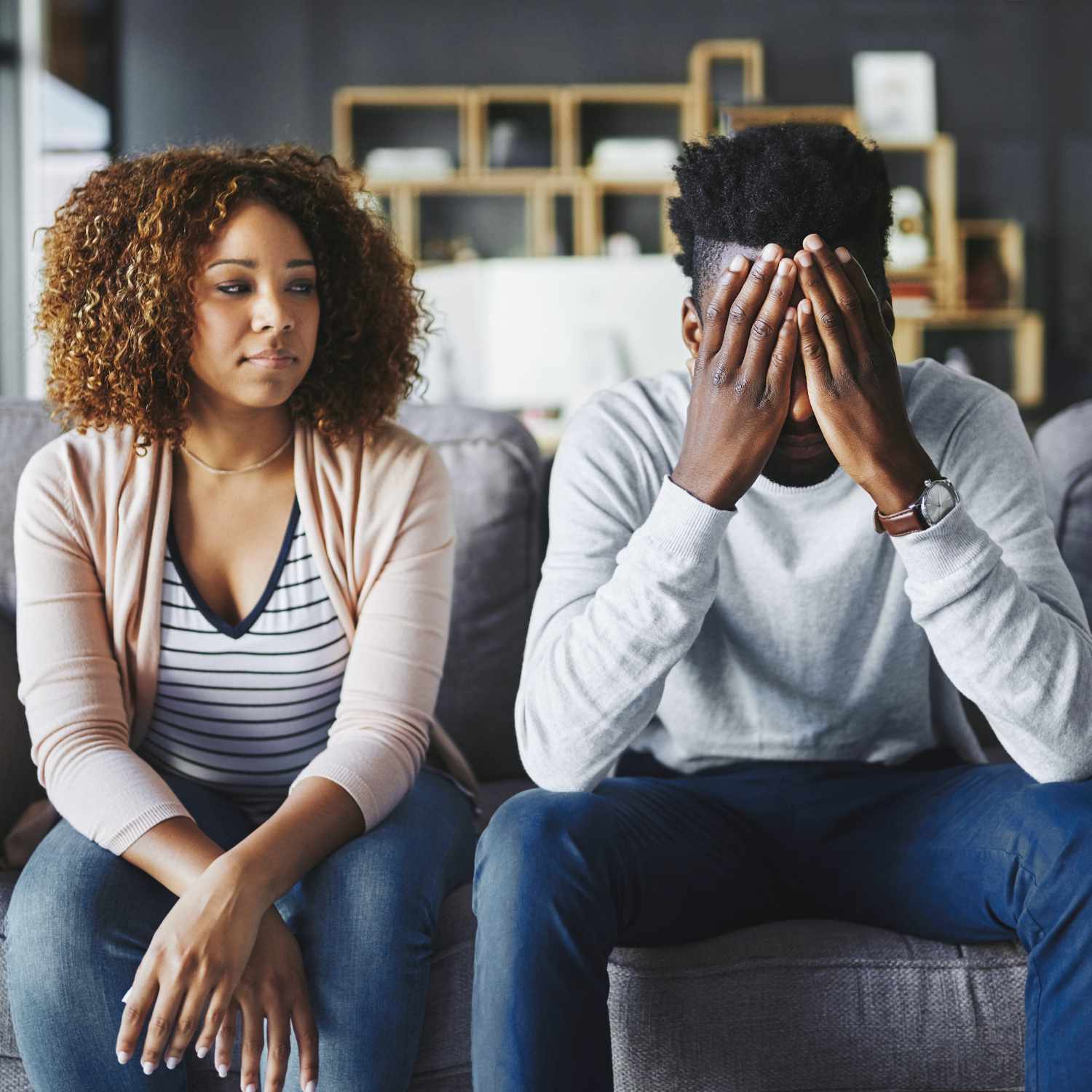
The study suggests that powerful individuals are less dependent on their partners, hold a higher opinion of themselves, and feel more confident about their desirability
RELATIONSHIPS - A recent study by researchers at Reichman University has revealed that individuals with greater power are significantly more likely to engage in infidelity. This trend extends beyond high-profile figures like politicians and CEOs
Power dynamics and infidelity
The study suggests that powerful individuals are less dependent on their partners, hold a higher opinion of themselves, and feel more confident about their desirability. These dynamics may lead them to believe they contribute more to their relationship and have better options outside of it.
“In romantic relationships, these power dynamics can make the more powerful partner feel they bring more to the table than their less powerful partner,” said Professor Gurit Birnbaum, the study’s lead author. “This perception might drive them to believe they are more desirable and have greater opportunities beyond the relationship.”
Impulse and entitlement
Previous studies have linked power to increased confidence, entitlement, and impulsivity. However, this research sheds new light on how power specifically influences infidelity.
The study included four experiments involving participants in monogamous heterosexual relationships lasting at least four months.
Key findings
Across all experiments, individuals who perceived themselves as more powerful showed a higher interest in alternative partners. This interest included sexual fantasies, desires, and real-life interactions.
“Those with a higher sense of power may feel motivated to disregard their commitment to the relationship and act on desires for short-term flings or pursue other, more novel partners,” explained Professor Harry Reis, co-author of the study from the University of Rochester.
Participants who felt more powerful often rated themselves as more valuable than their partners, which researchers warn could have destructive consequences.
“When people feel powerful and believe they have more relationship options, they may pay more attention to other potentially promising alternatives,” Reis added.
The study categorized infidelity into three main types:
Implications
The findings underscore how power dynamics can influence commitment and fidelity, suggesting that feelings of power may weaken the bond in romantic relationships. Researchers hope these insights can help couples address and navigate challenges in relationships where power imbalances exist.
Source: Agencies



