Written By | Health News Agencies
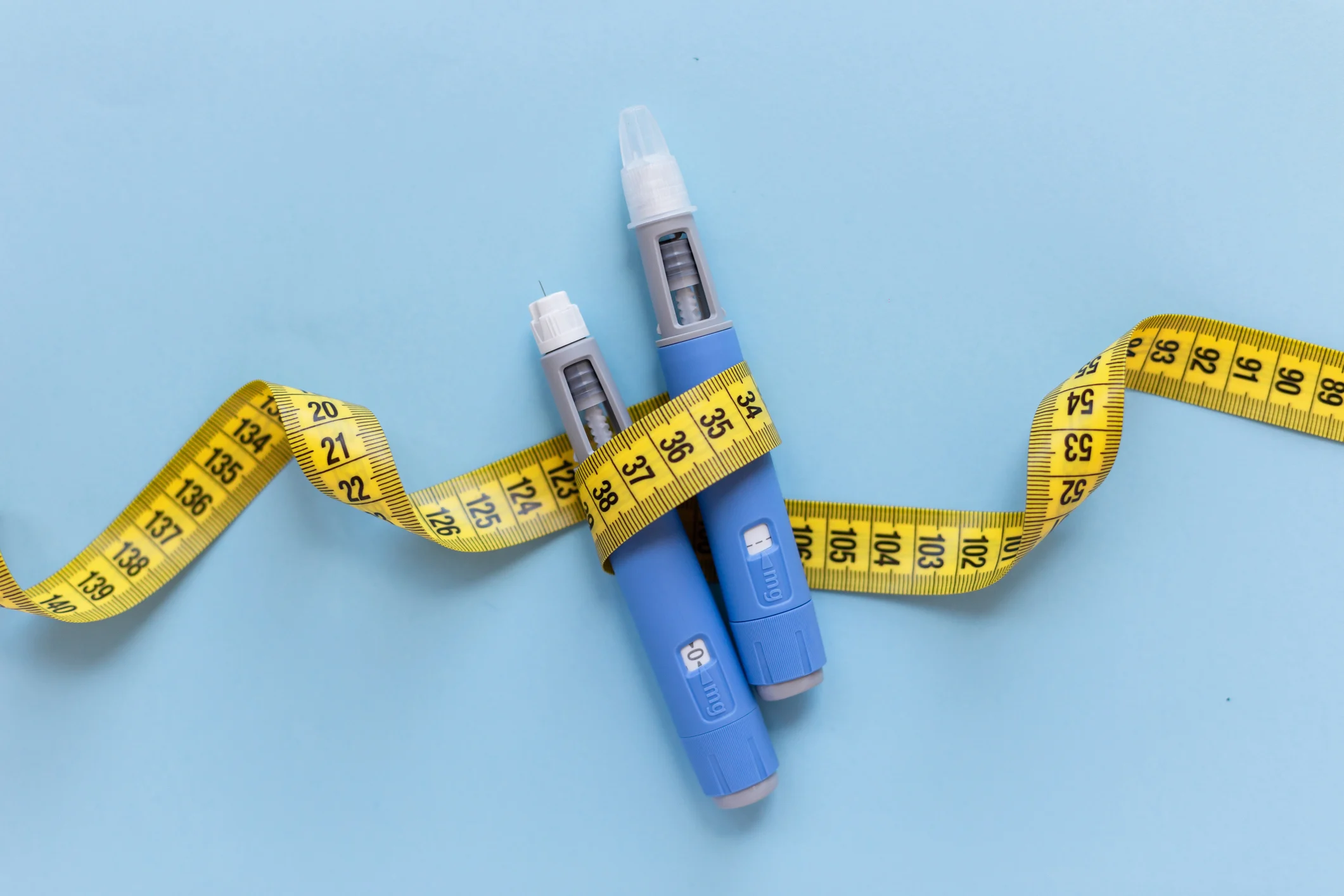
Eli Lilly's retatrutide melts away nearly a third of body weight in a landmark trial — rivaling the operating table itself. But a strange new nerve symptom has doctors watching closely
INDIANAPOLIS
It sounds like late-night infomercial hype: a once-a-week shot that strips away 85 pounds, shrinks waistlines, drops blood pressure, eases aching knees and possibly adds years to your life. Except this time it isn't a gimmick — it's the headline result of one of the largest obesity drug trials ever run.
Eli Lilly announced that its experimental injection retatrutide delivered an average weight loss of 28.3% (roughly 70 pounds) in adults with obesity over its pivotal Phase 3 TRIUMPH-1 trial. For patients who stuck with the highest dose the longest — those with a BMI of 35 or above — the figures climbed even higher: an average of 85 pounds, or 30.3% of body weight, by week 104.
To put that in perspective, current blockbusters like Wegovy and Zepbound top out between 15% and 23% in their flagship trials. Retatrutide didn't just beat them. It charged into territory that until recently belonged exclusively to bariatric surgery.
"This is the greatest weight loss ever observed in a medication trial," researchers noted. "We are now rivaling the operating table with a syringe."
What Exactly Is Retatrutide?
If Ozempic and Wegovy are the first generation of new obesity medicines and tirzepatide the second, retatrutide is the third. These drugs mimic gut hormones that tell the brain you are full and tell the stomach to slow down.
Semaglutide hits one target (GLP-1). Tirzepatide hits two (GLP-1 and GIP). Retatrutide hits three — GLP-1, GIP and glucagon — earning it the nickname "triple-G" agonist. The third target, glucagon, doesn't just suppress appetite; it appears to rev up energy expenditure and push the liver to burn fat. Eating less and burning more.
The Numbers That Stopped the Room
Patients taking the 12 mg dose lost an average of 28.3% of body weight, compared with just 2.2% on placebo. Nearly half (45.3%) lost at least 30% of their starting weight — a threshold once unthinkable for a drug.
The losses didn't plateau as skeptics predicted. In the longer extension, heavier patients kept shedding weight out to two full years. The drug also moved markers doctors really care about: waist circumference shrank, cholesterol improved, blood pressure fell. In the osteoarthritis sub-study, patients reported meaningful relief from chronic knee pain — not because the drug touched the joint, but because there was less weight grinding down on it.
The Catch: A Strange New Nerve Symptom
No drug this powerful comes without a price. The most common complaints were the familiar gastrointestinal side effects: nausea, vomiting, diarrhea and constipation, generally worst when patients first start.
But retatrutide also threw up something newer and stranger: a signal of dysesthesia — abnormal, often unpleasant sensations like tingling, burning or "pins and needles" in the skin without an obvious cause. It wasn't prominent in earlier Phase 2 data, which is exactly why it has caught specialists' attention. When a large late-stage trial surfaces a side effect that smaller early trials missed, regulators want to know how common, how severe, and whether it fades or lingers.
None of this is reason to panic. The overall safety profile was described as broadly consistent with other GLP-1 medicines. But the dysesthesia signal is a reminder that pushing a third hormone target changes the body's chemistry in ways scientists are still mapping.
Expert Perspective
Endocrinologists have greeted the results with genuine astonishment. The field has crossed a threshold: weight-loss medication is now delivering results in the same league as surgery — something that would have sounded fanciful a decade ago.
But experts add asterisks. These are averages; individual results vary enormously. When patients stop, much of the weight tends to come back, raising the prospect of lifelong treatment. And the medicine works best alongside diet, activity and behavior changes, not as a substitute.
There is also the open question of who should take a drug this strong. A medication capable of stripping away a third of body weight is a powerful tool for severe obesity with stacked health risks. Whether it is appropriate for someone chasing a cosmetic goal is a very different conversation.
What This Means for You
If you or someone you love has struggled with serious obesity, the toolbox is getting dramatically bigger. Retatrutide is not yet approved — these are trial results Lilly will use to seek regulatory clearance — so this is news about what is coming, not what you can pick up tomorrow.
A few grounded points: these are prescription medicines with real side effects. Cost and access remain enormous hurdles; existing drugs are expensive and frequently not covered. Beware the gray market — a shadow economy of compounded and counterfeit versions has exploded. Any decision belongs with a clinician, not a checkout cart.
And the oldest advice still holds: the drug amplifies healthy eating and movement; it doesn't replace them.
The Bottom Line
Retatrutide's TRIUMPH-1 results represent a genuine landmark — a medication that erased nearly a third of patients' body weight (and for some, 85 pounds) while improving blood pressure, cholesterol and joint pain along the way. It is the most dramatic weight-loss result ever recorded in a drug trial.
The story isn't finished. Regulators must still weigh benefits against the emerging dysesthesia signal and the familiar gastrointestinal toll. The hardest questions — about cost, access, who should take it, and what happens when you stop — are only beginning. But the bar for what a syringe can do has just been raised higher than anyone thought possible. The era of medicine rivaling the operating table has arrived.



