Written By | Staff Writer
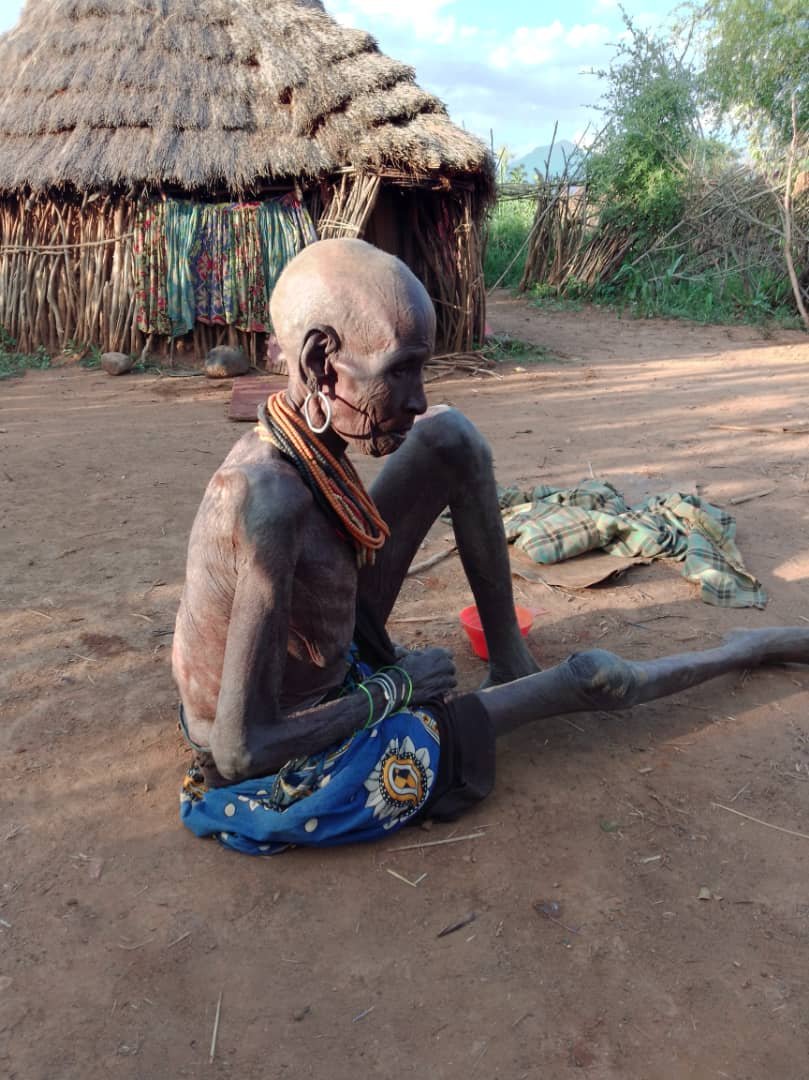
Children and older persons remain among the worst affected, with some households reportedly surviving on residue from locally brewed sorghum beer after exhausting their food supplies entirely
Agriculture
The death toll from a worsening hunger crisis in Uganda's Karamoja sub-region has risen to 19, according to accounts gathered from residents and local leaders on July 18, as communities across the drought-stricken northeastern region wait for government food aid that many say will arrive too late, and in quantities too small, to meet their needs.
The latest deaths bring into sharp focus a crisis that has been building for months, as an extended dry spell — now stretching back to April, the start of the region's main planting season — has destroyed maize, sorghum and soybean crops across Karamoja's nine districts. What began in early July as an emergency response effort involving small, targeted food deliveries has, in the space of just over a week, evolved into one of the most serious humanitarian episodes to hit the region in recent years, with the human cost mounting faster than the relief pipeline can respond.
In Nawanatau village, 75-year-old Lomongin Lomer heads a household of 20 people, including three wives, children, siblings and other dependants. In Arechek village, residents point to the grave of Veronica Nachuge, who they say died after spending several days without food. Parish Chief Peter Lotukei of Nawanatau told local reporters that three hunger-related deaths have already been recorded in his parish alone. “We have already lost three people because of the hunger situation,” he said. Children and older persons remain among the worst affected, with some households reportedly surviving on residue from locally brewed sorghum beer after exhausting their food supplies entirely.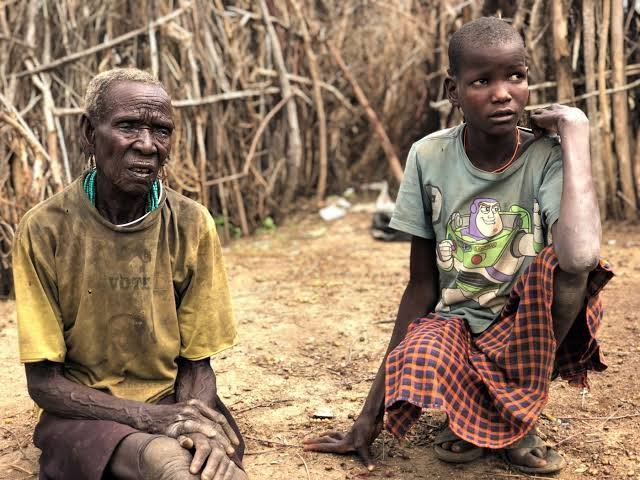
A relief effort struggling to keep pace
The government's response has unfolded in stages. The first emergency consignment — 22 tonnes of relief food, comprising 13 tonnes of maize flour and nine tonnes of beans — was delivered on July 8 to Loduku and Loyoru sub-counties in Kaabong District. On July 10, Cabinet earmarked Shs135.2 billion to procure additional food for distribution across Karamoja over the following three months, with the Office of the Prime Minister seeking further approval on July 13 to widen the procurement to cover neighbouring districts as well.
The government's plan calls for distributing 20 kilogrammes of maize flour and 10 kilogrammes of beans to each affected household. But local leaders say that allocation badly underestimates the scale of need in a region where extended families sharing a single homestead are the norm rather than the exception. Moroto District Vice Chairperson Stephanie Adupa Namer said the planned ration “cannot last a week because of the large size of households in Karamoja. Some men have four or more wives and many dependants. In such cases, the food may last only three days.” Peter Lomongin, the Local Council One chairperson of Nachuka village, echoed the concern in blunter terms: “The food will only last us three days — just three days.”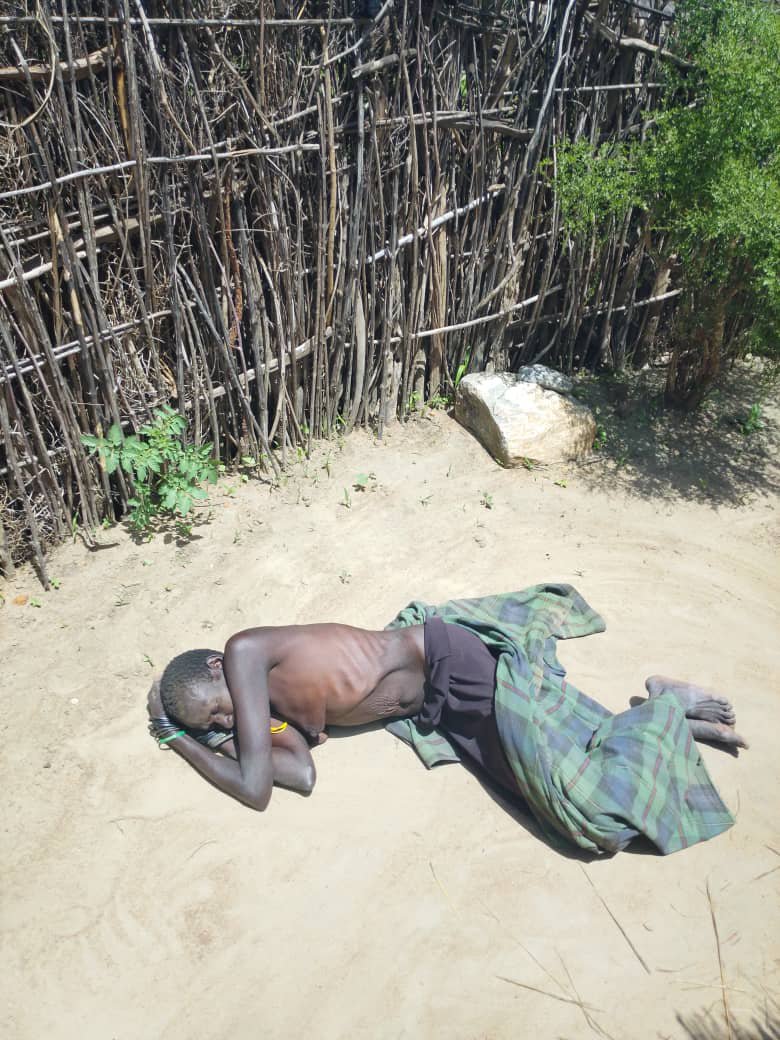
The mismatch between household size and ration size is not a minor logistical detail — it goes to the heart of why the crisis has continued to claim lives even after government aid began moving. Munyes Nakain, a 70-year-old woman caring for 15 people in her household, told reporters she is anxiously awaiting relief food despite knowing it will not stretch far. Residents in Moroto said deliveries expected in the district town had not arrived as of the time of reporting on July 18, deepening fears that further delays could push the death toll higher still.
Local leaders have begun pushing for a different model of intervention. Adupa suggested the government establish community feeding centres where vulnerable residents — particularly children and the elderly — could access regular meals, rather than relying solely on household food packages that get divided among dozens of dependants. “Government should establish feeding centres where vulnerable people can receive breakfast, lunch and supper. That would help sustain families for a longer period,” she said.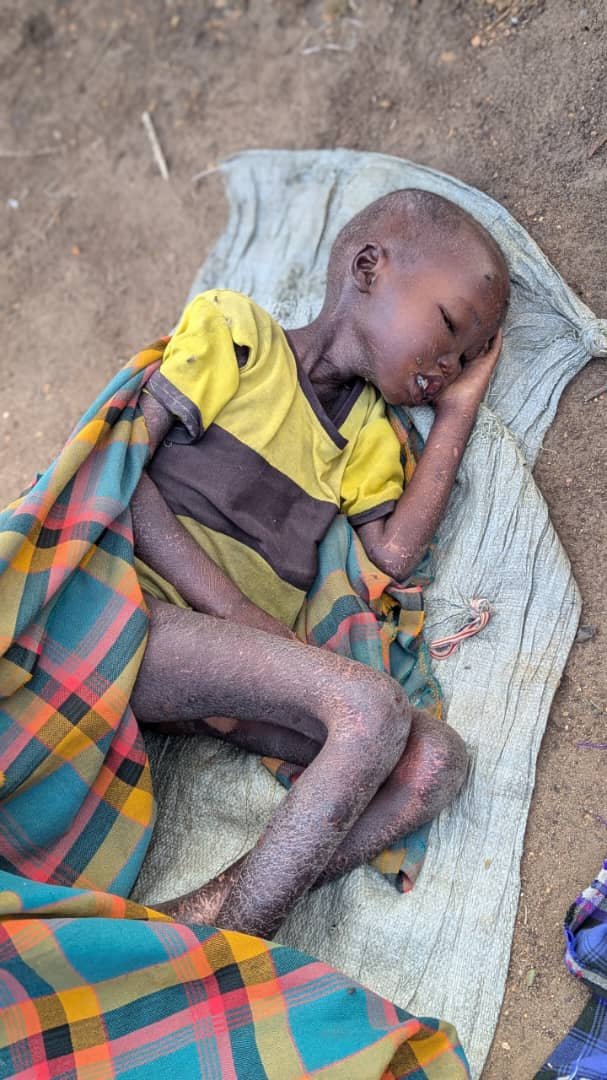
The numbers behind the crisis
The scale of the underlying food security emergency is stark. According to the Integrated Food Security Phase Classification (IPC) analysis covering April to July 2026, approximately 473,000 people — 32 percent of Karamoja's analysed population — are facing high levels of acute food insecurity, classified at IPC Phase 3 (Crisis) or above. Of those, 41,000 people are in IPC Phase 4 (Emergency), the second-most severe classification before famine. Four of Karamoja's nine districts — Napak, Kaabong, Moroto and Kotido — have between 30 and 45 percent of their populations in Phase 3 or worse.
The nutritional toll on children is equally alarming. Projections covering March 2026 to February 2027 estimate that roughly 122,100 children between six and 59 months old will suffer acute malnutrition across the sub-region, including 30,600 severe cases, alongside 8,000 pregnant and breastfeeding women who are also at heightened nutritional risk.
Karamoja's vulnerability to this year's dry spell is rooted in both climate and structure. The sub-region — comprising Moroto, Nakapiripirit, Nabilatuk, Napak, Amudat, Kotido, Abim, Kaabong and Karenga districts, with a combined population of more than 1.49 million people — sits within Uganda's cattle corridor, an 84,000 square-kilometre dryland belt that receives erratic, often poorly distributed annual rainfall of between 800 and 1,200 millimetres even in a normal year. This year's rains failed to materialise at all during the critical April planting window, a pattern regional meteorologists have linked to a developing El Niño phenomenon over the Pacific that has suppressed rainfall across much of Uganda, with Karamoja bearing the brunt.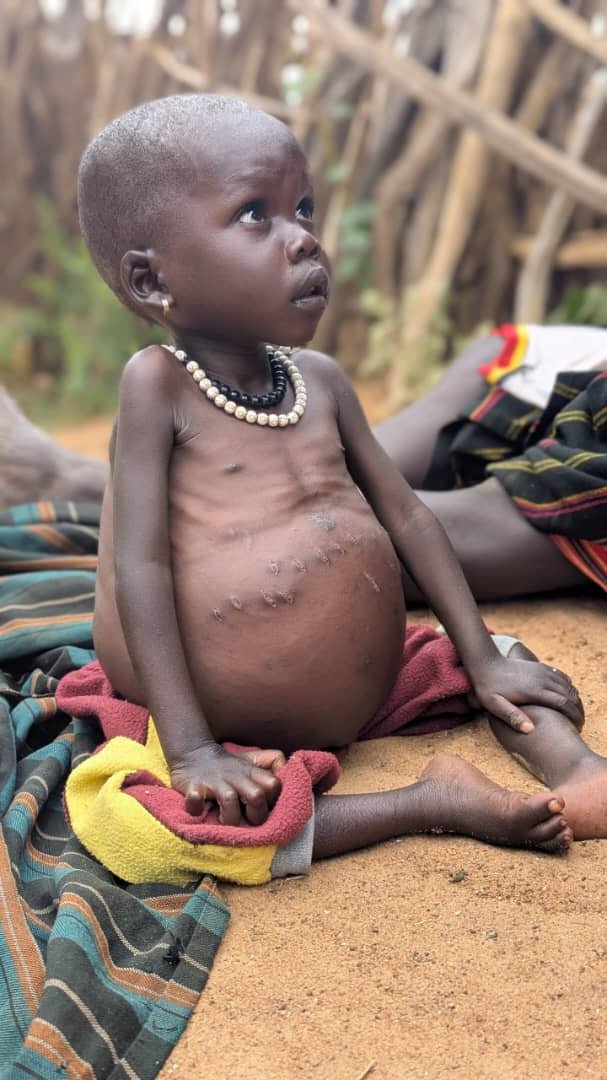
Implications beyond the immediate crisis
For Uganda's wider agricultural economy, the Karamoja crisis is a warning sign rather than an isolated tragedy. The sub-region has historically lagged behind the rest of the country on nearly every development indicator, and repeated climate shocks are widening that gap further, even as national agriculture statistics — including a reported 6.7 percent sector-wide growth in the 2025/26 financial year — paint a picture of overall expansion. That divergence underscores how unevenly the benefits of Uganda's agricultural growth, and the costs of its climate volatility, are being distributed.
The crisis has also reignited debate in Parliament and civil society over whether Uganda's emergency response architecture is fit for purpose. Earlier this month, MPs backed a motion calling for stronger measures to counter drought and hunger in northern Uganda, while Speaker of Parliament Anita Among has publicly urged government to find “lasting solutions” to the Karamoja hunger plight rather than relying on reactive, after-the-fact food deliveries. Civil society groups including the Food Rights Alliance have similarly called for swift, sustained action, warning that short-term relief alone cannot address a crisis with such deep structural roots in chronic underinvestment in irrigation, water infrastructure and drought-resilient farming systems across the cattle corridor.
For now, the immediate priority for officials on the ground is speeding up the delivery of food that communities say is arriving too slowly and in quantities too small. But the events of the past ten days — a death toll that has climbed by three since the government first declared an emergency, and a relief operation still racing to catch up — suggest that Karamoja's hunger crisis is far from resolved, and that its long-term causes will require attention long after this season's emergency food consignments have run out.



