Written By |
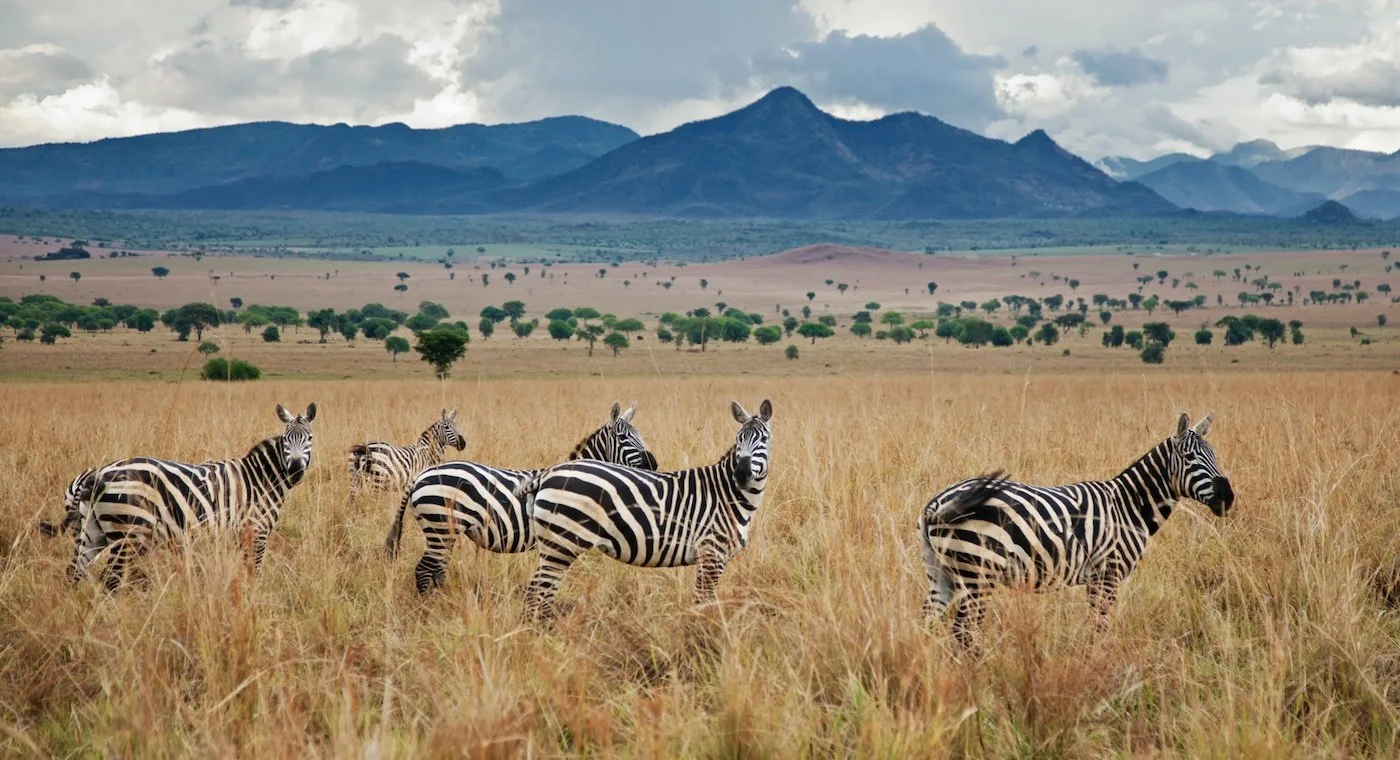
Kidepo Valley National Park, Uganda's remote wild north, is getting an airport, a rhino sanctuary and a second look
TOURISM
Kidepo Valley National Park, Uganda's remote wild north, is getting an airport, a rhino sanctuary and a second look
Long before the sun clears the ridge of Mount Morungole, the Narus Valley is already awake. A buffalo herd, thousands strong on a good morning, moves like a dark tide across the grass. Somewhere beyond it a lion coughs, once, and the valley goes quiet. This is Kidepo, and it keeps its own hours. Nobody comes here by accident.
Kidepo Valley National Park sits in Uganda's far northeast, pressed against the borders of South Sudan and Kenya, and it earns its reputation as the country's most isolated park. It covers 1,442 square kilometres of semi-arid savanna, seasonal rivers and low mountains. The valley floor lies at about 914 metres, and Mount Morungole rises to roughly 2,750 metres. Decades of insecurity in the wider region kept visitors away for years. That isolation is also why the park feels the way it does: wide, dry and sparsely visited, closer to the savanna of northern Kenya than to the green hills most people picture when they think of Uganda.
The Park and Its Wildlife
The Narus Valley is the heart of the park. Water lingers in its pools even deep into the dry season, which pulls in buffalo, elephants and antelope when the rest of the landscape has turned to straw. Published park profiles count 77 mammal species, including some 20 predators such as lions, leopards and spotted hyenas. Elephants number more than 650, up from around 200 in the mid-1990s. There are over 50 Rothschild's giraffes, along with zebra, greater and lesser kudu and the white-eared kob. Cheetah, caracal, aardwolf, bat-eared fox and black-backed jackal are all reported here, and several of them are hard to find in other Ugandan parks.
Birders have plenty to chase. The park list stands at about 470 species, and roughly 60 of them are said to occur in no other Ugandan national park. The 56 raptor species make it a standout for anyone with a long lens. Kidepo is also the only place in Uganda where wild ostriches can be seen, and its dry-country specialists, Clapperton's francolin among them, add to the draw.
People of the Mountain and the Plain
Kidepo is also a story about people. The Karamojong, Nilotic-speaking cattle herders who have lived across this region for centuries, are the park's neighbours, and the Dodoth community in particular lost traditional grazing land when the park was established. Visits to manyattas, the thorn-fenced homesteads, are one of the more rewarding ways to spend an afternoon, provided the money genuinely reaches the community. Higher on the slopes of Morungole live the Ik, a small community who were pushed out of the park area in the 1960s and lost their cattle to raiders. They were made globally known, and unfairly burdened, by the anthropologist Colin Turnbull's book The Mountain People. Today guided Ik treks offer a more balanced picture, and the fees go toward community initiatives. Come to listen as much as to look.
What Is Changing
Two projects could change Kidepo's fortunes. In February 2026 the Uganda Wildlife Authority received the new Kidepo Rhino Sanctuary, a fenced area of about 100 square kilometres, as part of the EU-backed NaturAfrica Kidepo-Turkana landscape project. The project is led by the Northern Rangelands Trust with the Uganda Wildlife Authority and community partners. Black rhinos have been absent from Kidepo since 1982, and the plan is to reintroduce them, with animals expected to come from Ziwa Rhino Sanctuary and a stated goal of breeding up to 100 rhinos over 20 years. Reports from February pointed to a first translocation around March, but we could not confirm that it took place, so check with the Uganda Wildlife Authority or your operator before expecting rhino tracking on a visit.
The second project is access. On 5 June 2026 President Museveni launched construction of Kidepo International Airport in Karenga District, near the park. It is reported at roughly US$70 to 72 million, with a 3.6-kilometre runway able to take large aircraft, a passenger terminal and cargo facilities, and is being developed with partners from Sharjah in the United Arab Emirates. No completion date has been published. If it is built as planned, it would be Uganda's third international airport after Entebbe and Kabalega, and it could cut the long journey that has kept Kidepo a destination for the committed few.
Planning Your Visit
Getting there still takes effort. By road the park is about 571 kilometres and roughly ten hours from Kampala, via Gulu and Kitgum, or around seven hours from Murchison Falls. Light aircraft serve an airstrip near Apoka on set days, usually with minimum passenger numbers, which suits families and groups better than solo travellers. Most visitors base themselves around Apoka and the Narus Valley, where the two main 20-kilometre game-drive circuits run at dawn and in the late afternoon. Guided walks of two to three hours are available, and the Kanangorok hot springs, about 30 kilometres north of Apoka, make a fine focus for a longer drive.
Wildlife viewing is generally best in the dry months from about November to February, when animals gather at the waterholes. Daytime temperatures can reach 40 degrees Celsius, so plan for early starts, sun protection and plenty of water. April to November brings the rains, with greener scenery and fewer visitors but slower going on the tracks. One published listing puts the entry fee at about US$40 per day for foreign visitors, but we could not confirm the current fee against the official Uganda Wildlife Authority tariff, which also covers vehicles, guides and activities. Confirm all costs with the authority or a licensed operator before you book.
This Week in Ugandan Tourism
30 September 2026 – A tourism push launched from Mbale. Hotel owners and guides gathered in the shadow of Mount Elgon to launch a drive to spread visitors beyond the classic savanna parks. A regional wildlife centre in Mbale is planned to anchor an Elgon circuit, and the Shs 567 billion tourism budget for 2026/27 will fund global marketing and digital tools, according to The Observer. Minister Tom Butime said the aim is to turn online interest into bookings and longer stays.
Late September 2026 – Ebola-free status and a message to visitors. Uganda's Ministry of Health declared the 2026 Ebola outbreak over on 28 July, after 20 confirmed cases and 18 recoveries, according to the Africa Travel & Tourism Association. Reporting from The Observer says the WHO and Africa CDC made their declaration on 27 September, World Tourism Day, when President Museveni said Uganda is open for tourism. Surveillance continues along the border with the Democratic Republic of Congo, where an outbreak is ongoing.
2 October 2026 – Steady growth in first-half numbers. Figures reported for January to June 2026 show international arrivals up 3.7% to 739,815, with tourism receipts up 25.6% to about UGX 2.3 trillion and average stays rising to 8.3 nights.
30 April 2026 – A record-setting 2025. The Ministry of Tourism, Wildlife and Antiquities reported 1,642,215 international arrivals in 2025, up 19.7%, and earnings of about UGX 5.8 trillion (US$1.62 billion). Tourism contributes an estimated 5.9% of GDP and directly supports over 876,000 jobs.
5 June 2026 – Construction of Kidepo International Airport begins. The airport launch, described above, is the biggest infrastructure story for the northeast.



