Written By | Torch Media Africa
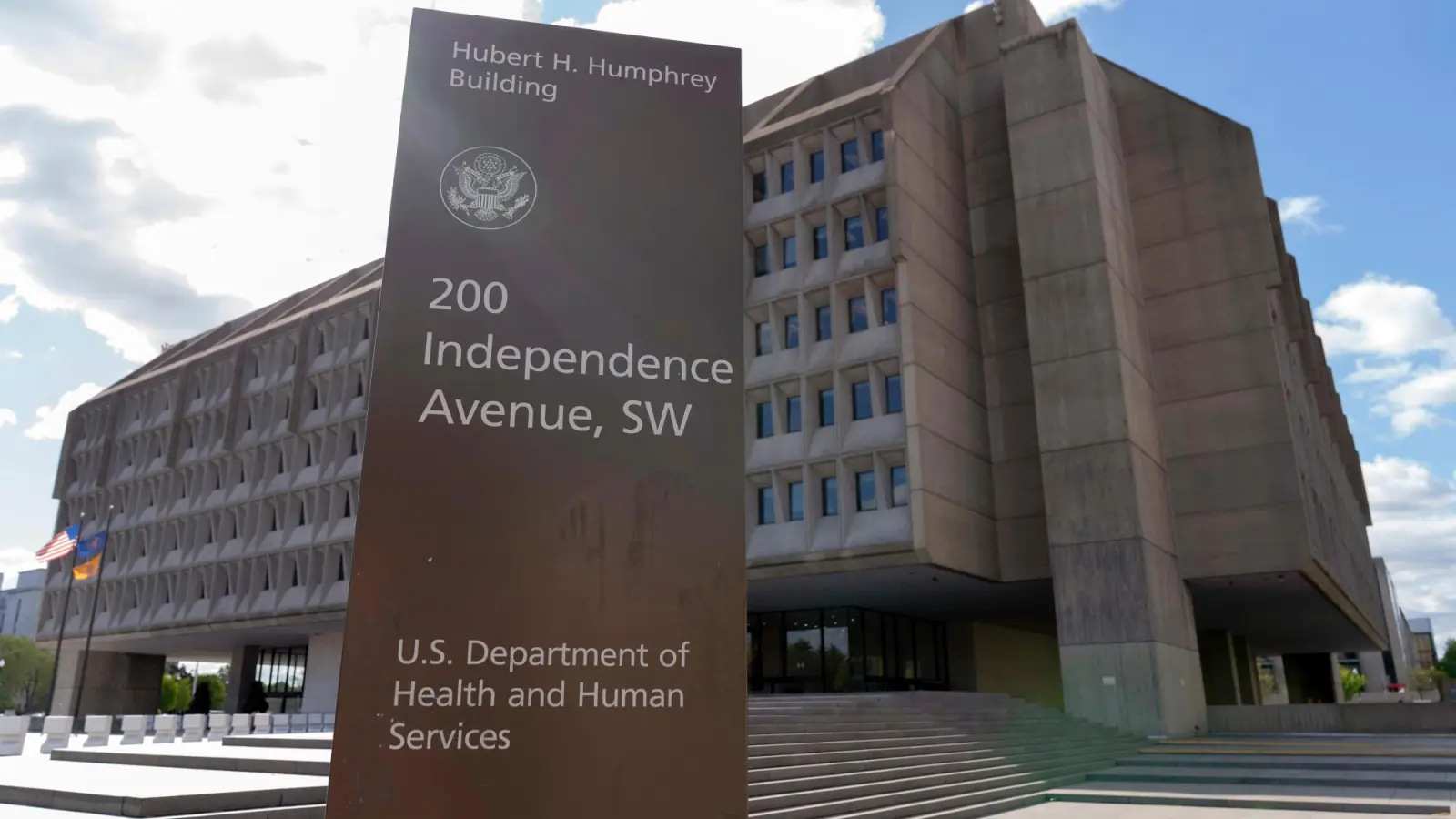
HHS has unleashed ChatGPT on five years of Medicaid audits across all 50 states, hunting for the $100–$200 billion it believes is stolen or wasted each year. The crackdown has begun.
WASHINGTON, D.C.
It started with a hunch and a spreadsheet. Gustav Chiarello, HHS's Assistant Secretary for Financial Resources, noticed child care fraud in Minnesota — and realized the same red flags were likely buried in audit reports across dozens of other states. No one had connected the dots.
So Chiarello turned to AI. On May 21, 2026, HHS launched AERO (Audit Enforcement and Risk Oversight) — an AI-powered program scanning at least five years of federal audit history across every state, hunting for fraud, waste, and abuse in Medicaid and other programs. HHS estimates $100–$200 billion in government funds may be flowing to the wrong places every year.
The AI driving AERO was built in part using ChatGPT — the same tool millions use to draft emails. Now it reads and cross-references thousands of financial audit documents, flagging irregularities and generating intelligence at speeds no human team could match.
What Is AERO, and Why Now?
AERO ingests "single audits" — legally required filings from any organization spending over $1 million per year in federal funds. Historically, these audits have suffered from an enforcement gap. A 2026 GAO review found hundreds of grantees failed to submit audits at all, and many had deficiencies persisting for years without federal response.
AERO closes that gap. The AI identifies repeat offenders, flags material weaknesses, and prioritizes cases for human follow-up. HHS states: "Chronic audit noncompliance, unresolved findings, and delinquent submissions will no longer be tolerated." Entities that fail risk losing access to all federal funding — including Medicaid, CHIP, and Head Start.
Dr. Oz Weighs In: "The Weaponization of Fraud"
CMS Administrator Dr. Mehmet Oz has been a vocal champion, describing the "weaponization of fraud" in Minnesota and estimating national Medicaid fraud could total $100 billion annually. Critics note the line between fraud, waste, and administrative error is often blurry — aggressive enforcement could chill states and nonprofits serving vulnerable populations. But the Trump administration has positioned AERO within its broader government-efficiency narrative.
How ChatGPT Reads an Audit
Traditional audit review is slow and labor-intensive. One state's filing might take days or weeks. Multiply by 50 states, hundreds of subgrantees, and five years of history — the task becomes humanly impossible.
AERO's AI ingests documents in bulk, cross-references prior-year filings, and generates ranked risk assessments. The AI does not make final determinations — its role is triage, directing human investigators where to focus. That human review layer remains, but it is now supported by a machine that never sleeps.
The Scope: All 50 States, Five Years of History
AERO is scanning all 50 states, U.S. territories, and every significant federal grantee. The five-year lookback means any entity noncompliant since 2021 is now in the AI's crosshairs. HHS had been sitting on thousands of unresolved findings; AERO has already identified hundreds of delinquent grantees and dozens of states with recurring material weaknesses in Medicaid controls.
Expert Perspectives: Breakthrough or Blunt Instrument?
Experts admire the innovation but worry about disproportionate enforcement and AI reliability. Audit reports contain nuanced language that a model might misinterpret. HHS emphasizes that all AI-generated findings are reviewed by humans, but advocacy groups warn of a chilling effect on smaller nonprofits lacking administrative capacity.
What This Means for You
Medicaid recipients: Success could strengthen the program's sustainability, but funding disruptions could harm coverage.
State officials: The era of unanswered audit findings is over. Assume you are already in the AI's queue.
Tech world: AERO is one of the largest generative AI deployments in the U.S. government. Its success or failure will shape future AI-driven enforcement in tax collection, environmental compliance, and student loan oversight.
The AI Auditor Never Blinks
For years, the volume of data made comprehensive oversight impossible. ChatGPT and its kin are changing that — not because the technology is perfect, but because it is fast, tireless, and scalable. Whether AERO recovers billions without collateral damage remains to be seen. But one thing is certain: the way the U.S. government audits itself has changed permanently. The next wave of fraud will face an opponent that reads a hundred audits a second and never forgets a single discrepancy.



