NEW YORK
For two and a half years, the AI boom felt unstoppable. Trillion-dollar valuations minted overnight. Chipmakers printing money. Every earnings call the same refrain: more demand than supply, ship faster, build bigger. Then, this month, the music stopped.
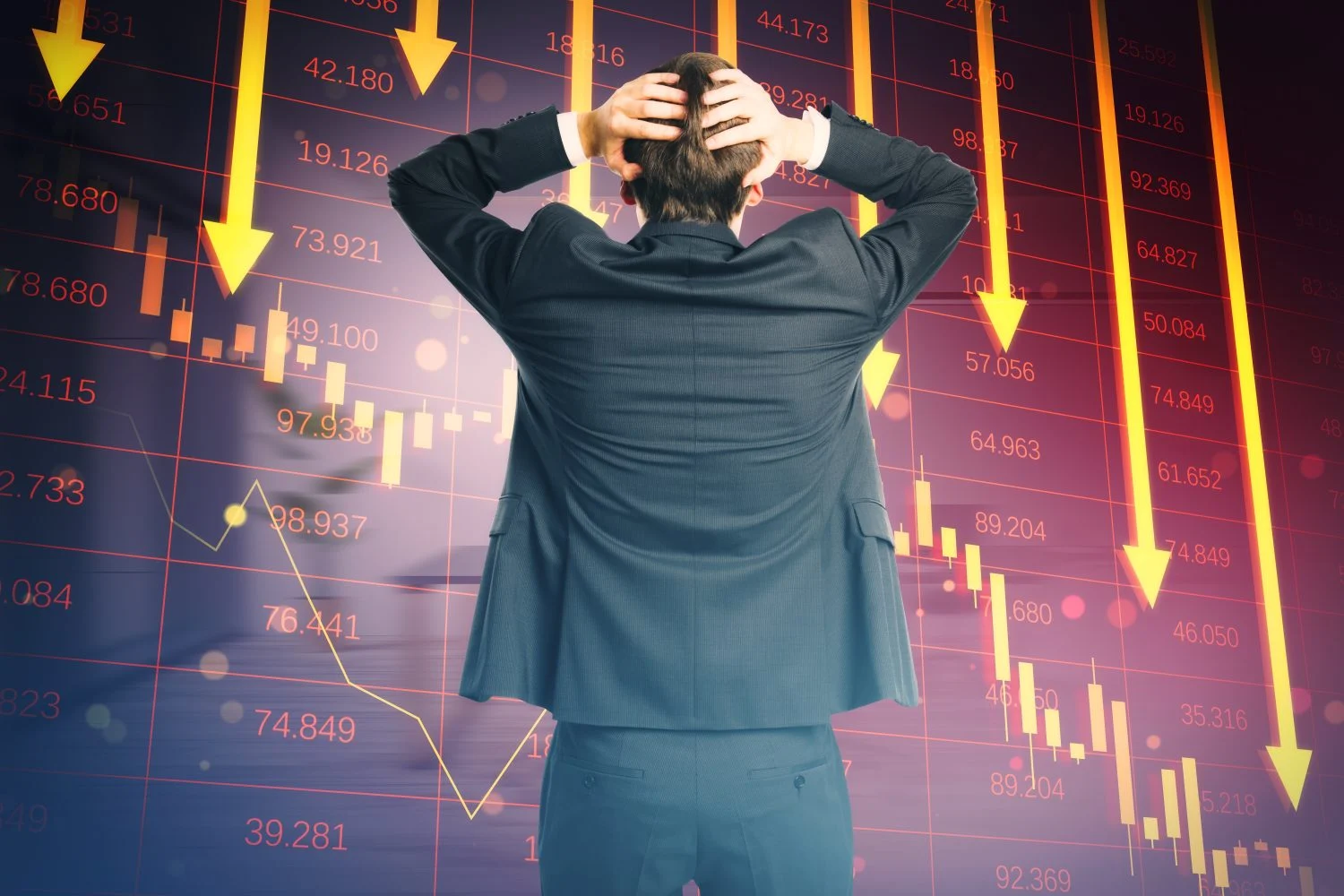
On June 23, the Nasdaq and S&P 500 closed at one-week lows, dragged down by semiconductor selling. Nvidia slid 2.7%. Alphabet shed 2%. Intel, Marvell and AMD fell between 6.5% and 9% in a single session. Micron and SanDisk slumped over 8%. It was the second gut-punch in three weeks: on June 4, a disappointing Broadcom forecast had already erased more than $1.3 trillion from global chip stocks in one day. Add it up, and over $2 trillion in paper wealth has evaporated from the AI trade in barely three weeks.
The spark: a chip giant's numbers didn't add up
Broadcom's third-quarter AI chip guidance came in at $16 billion—solid, but short of the $17.2 billion analysts expected. Worse, it didn't raise its full-year 2026 forecast at all. That single miss spooked a market that had priced AI demand as infinite. Broadcom fell roughly 13-14%. AMD dropped 10.86%. Intel plunged 11.28%. Even Nvidia shed 6% and briefly lost its $5 trillion crown.
What made the move violent wasn't just the drop—it was the realization that semiconductor stocks had been priced for perfection, assuming endless compounding demand. Broadcom's modest miss was the first data point suggesting that assumption might be wrong.
The second blow: the Fed chair who won't play along
Three weeks later came an open fracture—from the Federal Reserve. New Chair Kevin Warsh signaled a "new chapter" where market discipline, not central-bank generosity, would cool speculative excess. Traders now price in two rate hikes by December, not one. The Dow dropped roughly 500 points. The S&P 500 and Nasdaq fell over 1%.
The timing was brutal. AI companies have issued roughly $140 billion in investment-grade bonds this year—49% of all U.S. issuance. The five biggest hyperscalers plan to add $2 trillion in AI infrastructure by 2030. More hawkish rates mean that debt gets more expensive to service just as the buildout bills arrive.

"The biggest risk isn't rates—it's the AI bubble itself"
Societe Generale's famously bearish strategist Albert Edwards warns that AI-driven asset prices have been propping up household wealth even as savings rates fall. A serious correction, he argues, could ripple straight into consumer spending. This isn't just about Nvidia's stock—it's about whether a huge chunk of U.S. growth has been running on AI capex and borrowed money, and what happens if that engine sputters.
Not everyone is convinced it's over
Plenty of serious investors see a buying opportunity. AI infrastructure buildout is a multi-year cycle that doesn't reverse on one bad forecast. Actual AI usage—tokens processed, contracts signed—keeps climbing. Demand for compute hasn't disappeared. What's changed is investors' patience for paying infinite multiples, especially with a more hawkish Fed.
Why this matters even if you don't own tech stocks
The "Magnificent Seven" megacaps make up an outsized share of the S&P 500. Many 401(k)s and index funds are more exposed to AI-linked stocks than owners realize. Meanwhile, memory-chip shortages have already driven up consumer electronics prices. If AI spending slows, effects could cut both ways: easing component pressure while costing jobs in a sector that's been one of the economy's few unambiguous growth engines.
What happens next
No one knows if this is a healthy gut-check or the first tremor of something bigger. What's different now: the bearish case has hard numbers—a real guidance miss, a real Fed shift, a real pile of debt getting more expensive. The infrastructure buildout isn't stopping. But the era of AI stocks being priced as a one-way bet, immune to financial gravity, looks to be ending.
The next big test comes when hyperscalers report earnings and reveal whether they're sticking to those eye-watering capex plans—or quietly trimming them. Until then, expect more sharp, scary days—a reminder that even the most transformative technology still has to answer to bond yields and earnings guidance like everything else.
Published By | Tech Wiz