SCIENCE & TECH
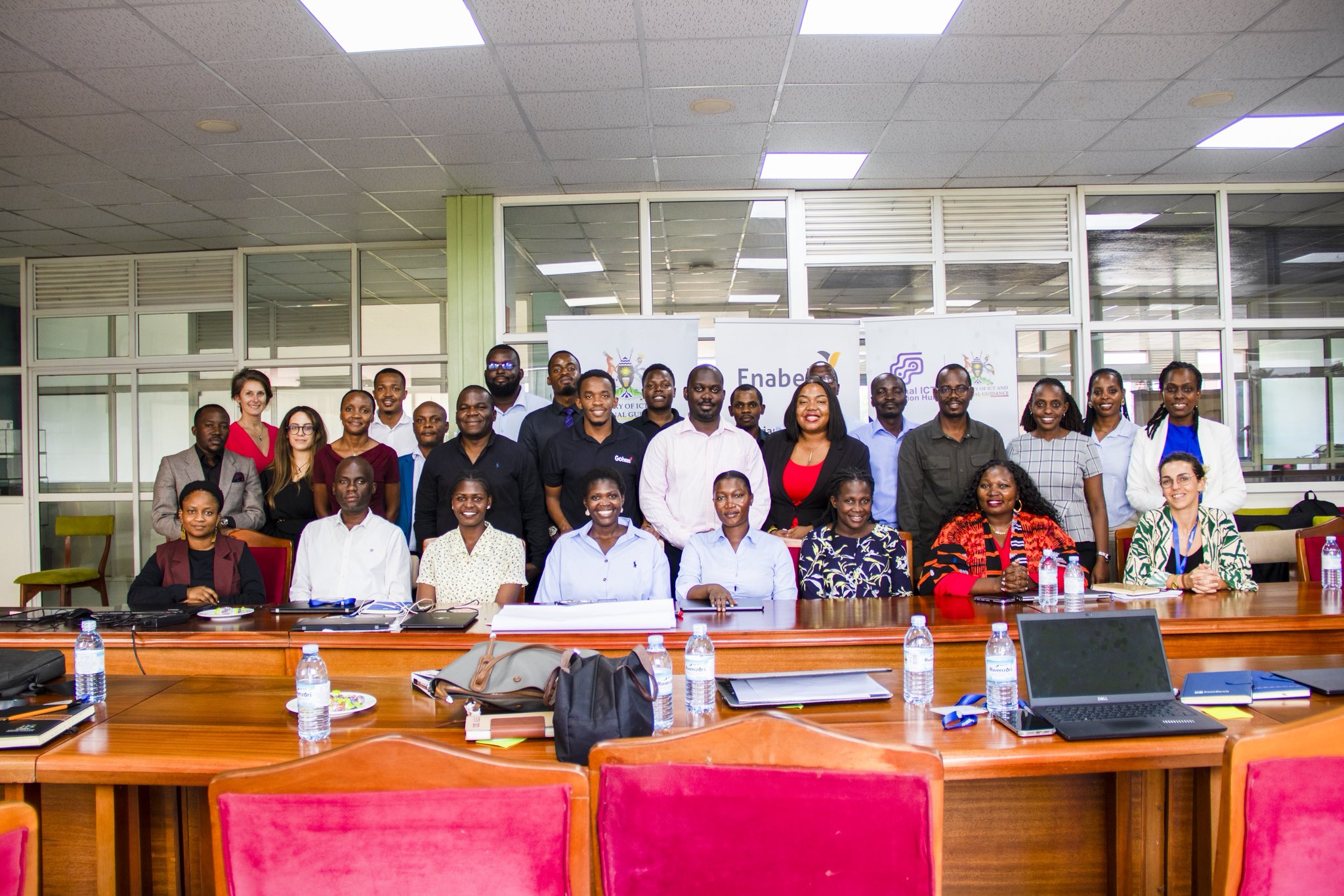
Government regulators, entrepreneurs, academics and innovation-hub leaders gathered in Kampala this week for a national stakeholder validation workshop aimed at diagnosing, and fixing, the regulatory gaps that have long frustrated Uganda's startup ecosystem. The workshop, convened by the Pan-African body Smart Africa in collaboration with Uganda's Ministry of ICT and National Guidance, put a stalled piece of legislation, the long-discussed Startup Bill, back at the top of the country's technology policy agenda, alongside calls for regulatory sandboxes, reformed public procurement rules, and stronger science and innovation policy generally.
What Happened at the Workshop
The session brought together a cross-section of Uganda's innovation ecosystem: public institutions, sector regulators, academic researchers, entrepreneurs, innovation hubs and ecosystem support organisations. Its purpose was to review and validate findings from Uganda's Digital Entrepreneurship and Innovation Country Assessment, a diagnostic exercise intended to map out precisely where the country's support systems for startups are falling short of what founders actually need to build, test, scale and reach markets.
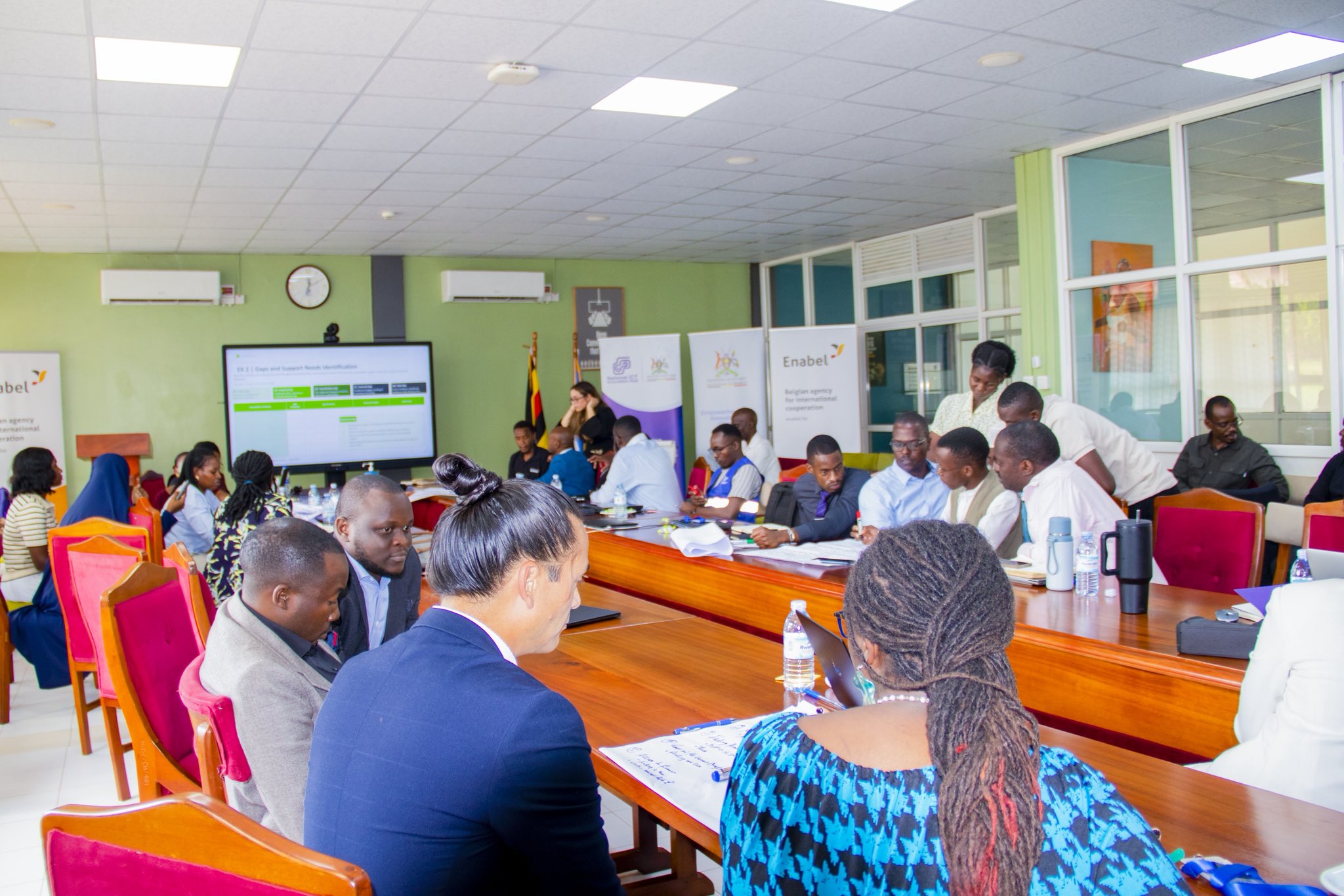
Out of that discussion, participants converged on several priorities. The most concrete was a renewed push to advance the Startup Bill, framed as a foundational step toward creating a more enabling legal environment for startups, though the workshop did not set a firm timeline for the bill's passage. Alongside it, stakeholders called for strengthening science, technology and innovation policies and regulations more broadly, and for improving access to regulatory sandboxes, controlled environments that allow innovators to test new products and business models across sectors such as fintech and healthtech without running immediately into full regulatory compliance requirements designed for established firms. Participants also flagged the need to use public procurement as a deliberate tool for creating market opportunities for local startups, rather than leaving government contracts dominated by larger, established vendors, and stressed the importance of translating the assessment's findings into practical, country-owned support mechanisms rather than another policy document that sits on a shelf.
Smart Africa described the workshop as an important step toward "evidence-based action" on strengthening innovation, entrepreneurship and sustainable startup growth in Uganda. The exercise is being run under the Africa-Europe Digital Innovation Bridge (AEDIB 2.0), a programme that supports African countries in building out digital entrepreneurship and innovation ecosystems through policy dialogue, stakeholder engagement and regional collaboration, and which has run similar country-assessment workshops elsewhere on the continent, including a comparable session in Zambia earlier this year.
Why a Startup Bill, and Why Now
Uganda's innovation ecosystem has expanded considerably over the past five years, with a growing number of ecosystem support organisations, active startups, and investors carrying Africa-wide mandates now operating in the country, alongside a steady flow of young entrepreneurs entering the pipeline through university innovation hubs and training programmes. But that growth has occurred largely without a dedicated legal framework tailored to how startups actually operate, businesses that are typically pre-revenue or early-revenue, structured around equity rather than traditional collateral, and often iterating on unproven business models that existing commercial and tax law was not written to accommodate. A Startup Bill, of the kind several other African countries (Tunisia, Senegal, and Nigeria among them) have already enacted, would typically define what qualifies as a "startup" in law, and attach that status to specific benefits: streamlined business registration, tax incentives during a startup's early years, easier access to government procurement set-asides, and clearer rules for how equity-based fundraising and employee stock arrangements are treated.
Complementary efforts are already under way to build the data infrastructure such a framework would need. A National Innovation and Startup Database is currently in design through a partnership involving Makerere University's Research and Innovation Fund, the Ministry of ICT and National Guidance, the Ministry of Trade, Industry and Cooperatives, and the Uganda Registration Services Bureau, intended to give policymakers and investors a centralised, authoritative picture of who is actually building in the ecosystem. The United Nations Development Programme has also been active in the space, backing initiatives such as an Industry 4.0 programme run jointly with Makerere University's Unipod innovation hub and local electronics firm Lwera Electronics and Semi-Conductors, aimed at equipping young Ugandans with maker and entrepreneurship skills.

The Gaps the Assessment Is Meant to Address
Prior diagnostic work on Uganda's startup ecosystem, cited by UNDP and echoed in this week's workshop discussions, has repeatedly pointed to the same structural weaknesses: a fragmented landscape with no centralized platform connecting entrepreneurs to funding sources, comparatively low levels of research and development investment, and limited access to structured mentorship and apprenticeship opportunities for early-stage founders. These are the kinds of problems a legal and regulatory framework alone cannot solve, but that a Startup Bill, paired with functioning sandboxes and procurement reform, is meant to make more tractable by giving both government agencies and private investors a common, predictable set of rules to work from.
The Bigger Picture
This week's workshop did not happen in isolation. It follows Uganda's National Science, Technology and Innovation Week 2026, which organisers framed as marking a shift from "pathfinding" to "acceleration" in the government's broader ambition to grow the economy to $500 billion by 2040. It also comes amid a string of other technology-sector developments this month: Airtel Uganda has publicly called for a national cyber resilience framework to better protect critical infrastructure from cyberattacks; Huawei ran a campus recruitment drive at Kyambogo University aimed at building a talent pipeline between universities and industry; and preparations are already under way for Uganda Innovation Week 2026, organised by Startup Uganda and scheduled for November in Kampala, which organisers are positioning as the country's largest annual gathering of the innovation and entrepreneurship community.
Why It Matters
For Uganda's startup founders, the practical significance of this week's workshop will depend entirely on what happens next, whether the renewed attention on the Startup Bill translates into an actual draft moving through Parliament, or whether it becomes another entry in a long list of ecosystem assessments that identify the same problems without changing the underlying rules. What makes this round notable is the institutional backing behind it: a Pan-African body with a track record of running these assessments elsewhere, a specific EU-linked funding and technical assistance programme in AEDIB 2.0, and a government ministry publicly signed on to the findings, factors that give the process more structural weight than an isolated stakeholder roundtable would carry on its own.
It also matters for how Uganda positions itself regionally. Neighbouring markets and other African economies have moved faster on formal startup legislation, and investors evaluating where to deploy early-stage African capital increasingly weigh regulatory clarity, alongside market size and talent availability, when comparing jurisdictions. A functioning Startup Bill, paired with real regulatory sandboxes and procurement access, would be a concrete signal that Uganda intends to compete on that basis rather than relying solely on population size and general economic growth to attract investment.

What to Watch Next
The most immediate marker will be whether the Ministry of ICT and National Guidance publishes a formal roadmap or timeline for the Startup Bill following this validation workshop, since the session itself produced priorities and recommendations rather than a legislative text or date. Beyond that, watch for progress on the National Innovation and Startup Database, which would give both regulators and investors a clearer baseline to measure ecosystem growth against, and for how the Startup Bill discussion features at Uganda Innovation Week in November, which is likely to be the next major public checkpoint for the policy's progress.
Published By | Tech Wiz