Written By | Torch Media Africa
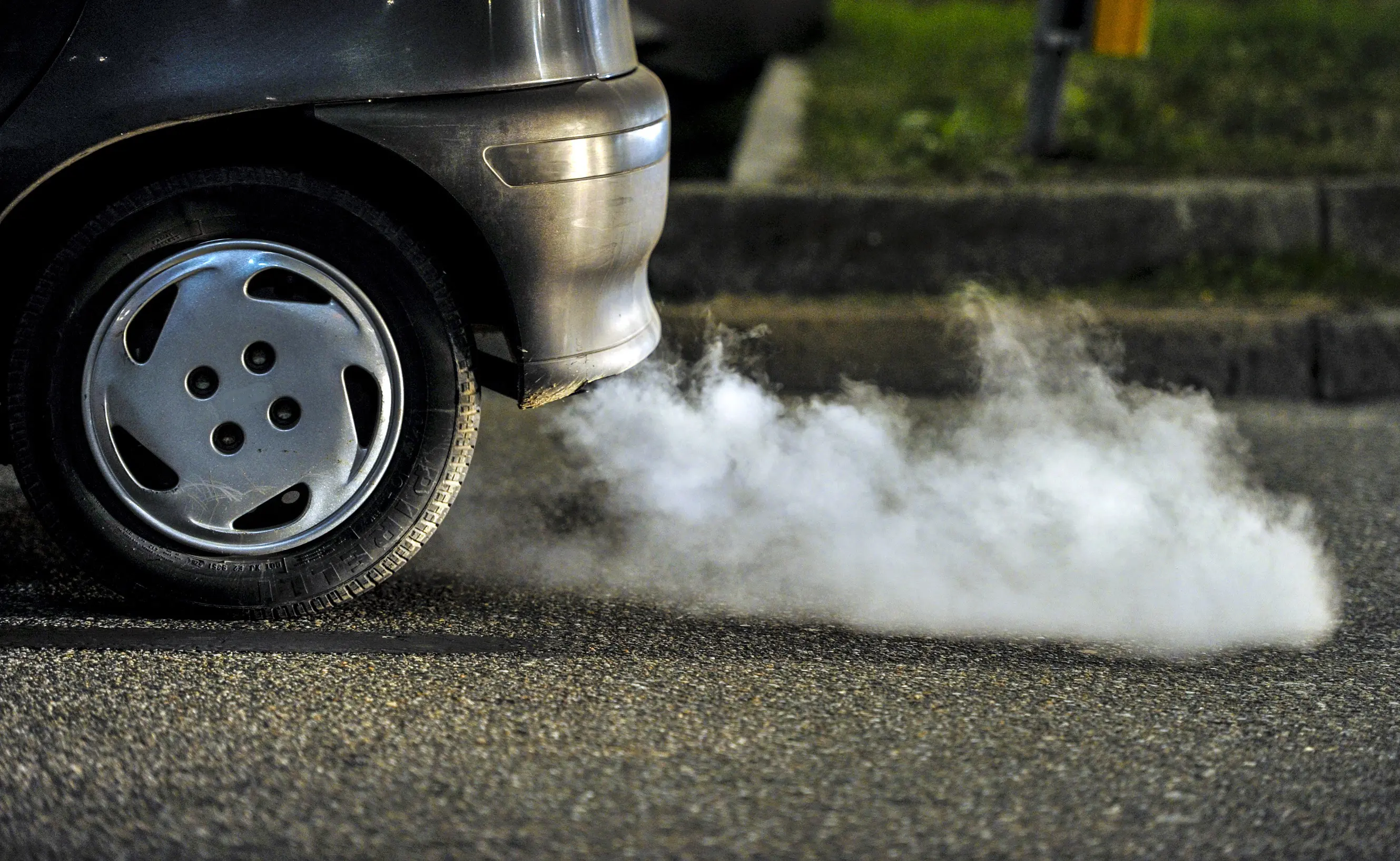
Global emissions have finally stopped racing upward, but they have not fallen.
SCIENCE & TECH
It is the headline climate scientists have dreaded for years, and on Wednesday it arrived in black and white. The United Nations Environment Programme's annual Emissions Gap Report, this year titled 'The Point of Return', concludes that the world has lost the chance to hold global warming to 1.5°C without going past it first. The report states that 'the opportunity to bridge the 1.5°C emissions gap with no or limited overshoot has been lost.'
The news is stark, but it is not simply a story of doom. Emissions growth is slowing, clean energy is racing ahead of expectations, and the report sets out a narrow path to bring temperatures back down later in the century. The catch is how steep that path is. It requires emissions to drop around 6% every year until 2035 and the removal of hundreds of billions of tonnes of carbon dioxide from the air. By comparison, today's pledges deliver a fraction of that.
The numbers that matter
Start with the headline figure. If every country fully delivers on its latest national climate pledges, the planet is on track for roughly 2.6°C of warming above pre-industrial levels by 2100. If governments only follow policies currently in place, the figure rises to about 2.8°C. The world has already warmed by roughly 1.4°C, and the 1.5°C mark is expected to be crossed within a few years.
Global greenhouse gas emissions in 2025 were roughly level with the record set in 2024; the difference was too small to call. Carbon dioxide from burning coal, oil and gas rose slightly. In other words, the flat line is not the downward curve that science demands. UN Secretary-General António Guterres put it plainly: 'Emissions remain at record levels.' He added that national climate plans and current policies 'fall dangerously short', and that the world 'can no longer avoid overshooting the 1.5 degree limit, and the consequences are already devastating.'
The report's full-implementation scenario for existing pledges is sobering. If countries deliver on their nationally determined contributions in full, emissions would fall only 5 to 8% by 2030 and 11 to 15% by 2035. The cuts needed to keep a path back to 1.5°C open, measured against 2025 levels, are 18% by 2030, 45% by 2035 and 69% by 2040. The gap between those two sets of numbers is the 'emissions gap' of the report's title.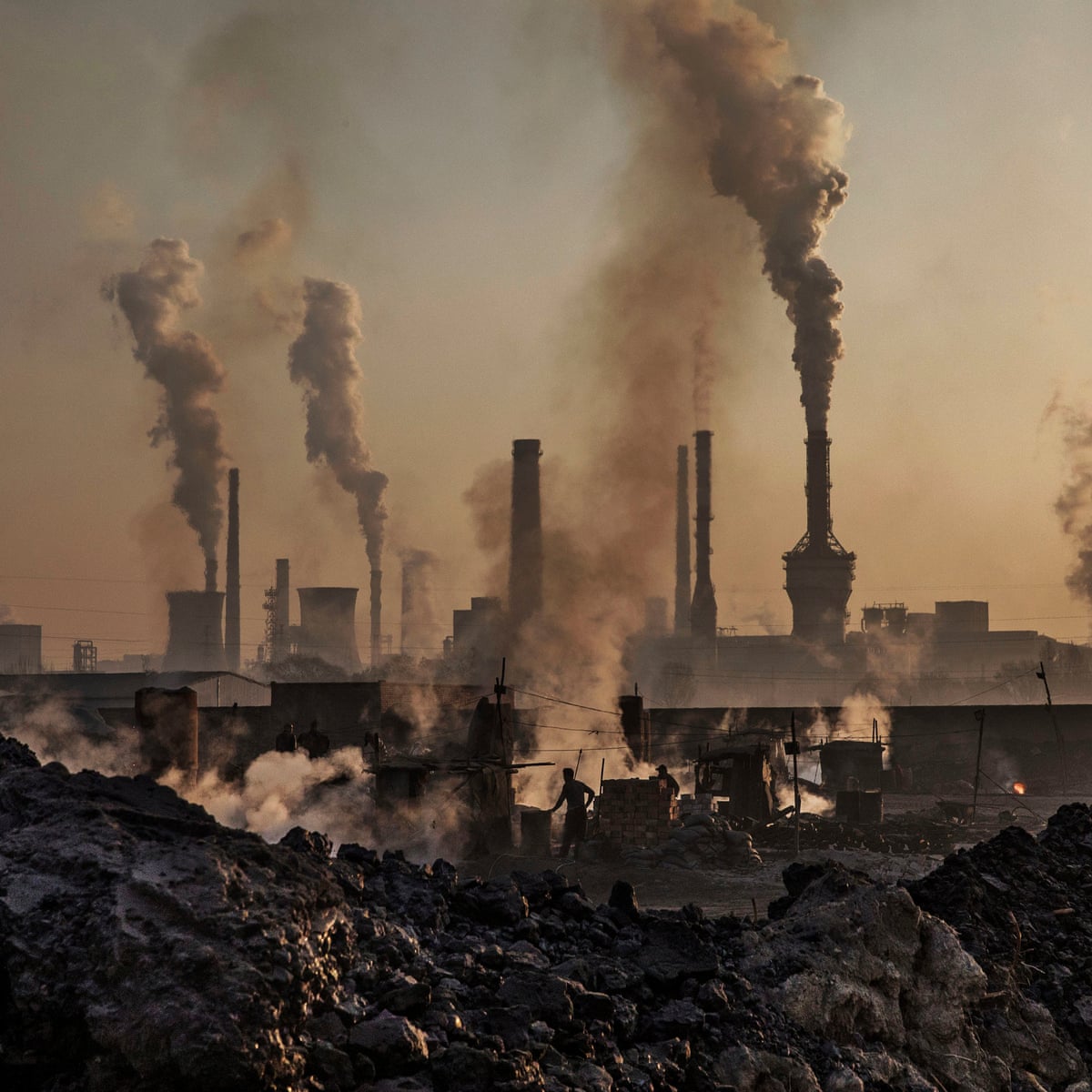
A new goal: overshoot, then come back
With 1.5°C by 2100 no longer attainable on a straight path, the UN is pivoting to what it calls the only remaining option: keep warming below 2°C, then bring it back down to 1.5°C by the end of the century. A scenario with a 50% chance of achieving that requires peaking near 1.8°C by 2050, assuming emissions fall by 6% per year, every year, until 2035, and removing large volumes of CO2 from the atmosphere afterwards.
Those removals are enormous. The report says about 320 gigatonnes of CO2 would need to be pulled out of the air by the end of the century, roughly eight times the world's total emissions in 2024. The options include reforestation and technologies that compress, mineralise and store carbon dioxide underground. None operates at anything like that scale today.
Why does overshoot matter so much? The report warns that each extra fraction of a degree above 1.5°C raises the risk of irreversible changes to ice sheets, permafrost, ocean circulation and coral systems. Temporary overshoot is not a free pass; some damage may not be undone when temperatures later fall.
Who is driving the numbers?
The G20 group of major economies accounts for about three-quarters of global emissions, and the report finds emissions growth slowed among its members. But the picture is uneven. Among the world's top six emitters, preliminary 2025 data showed increases in the United States, Indonesia and China, and decreases in India, Russia and the European Union.
The standout was America. The report finds the US increase of 133 megatonnes of CO2 equivalent was the largest of any country, driven by higher electricity demand and a rebound in coal power. Turkey recorded the next-largest rise. Report co-author Anne Olhoff attributed the worsened outlook partly to the United States formally withdrawing from the Paris Agreement, along with upward revisions of historical emissions data.
That second point is a reminder that the science itself keeps getting sharper. When historical emissions are revised upward, the starting line moves, and the distance still to be travelled grows.
The good news hiding in the small print
It would be wrong to read the report as unrelenting gloom. UNEP chief Inger Andersen pointed to real progress: 'global renewable electricity capacity has grown three times faster than anticipated,' with solar photovoltaic capacity expanding seven times faster than expected since 2015. Coal and oil supply have grown more slowly than projected, and several G20 members have sustained emissions reductions.
The trouble, Andersen and the report say, is that progress remains insufficient, particularly on fossil fuels and deforestation. Clean energy is being added, but in too many places it is arriving on top of fossil fuels rather than replacing them.
The UN's shopping list for governments is long but familiar: accelerate clean energy and electrification in every sector; adopt credible roadmaps for leaving fossil fuels, with clear timelines and protections for affected workers and communities; invest in grids and storage; improve energy efficiency; cut methane; and halt and reverse deforestation. The specific targets are demanding. Renewable capacity should triple from 2025 levels by 2035. Fossil fuel shares of energy production would need to fall by 55% for coal, 15% for oil and 5% for gas by 2035, and by at least 75%, 30% and 35% respectively by 2040.
Reaction: anger, urgency, and a political fight to come
Climate advocates did not hold back. Mohamed Adow of Power Shift Africa called the situation 'a historic failure of political leadership.' Bill Hare of Climate Analytics said governments need to 'get on with enacting policies that cut fossil fuel use as soon as possible.' Guterres, for his part, framed overshoot as a leadership gap rather than surrender, insisting that all countries, especially the big emitters, must do more.
The politics are about to get harder. The 1.5°C target is expected to be a major point of contention at the COP31 climate summit in Antalya, Turkey, from 9 to 20 November. Some developing nations accuse larger emitters of abandoning the goals of the Paris Agreement, which aims to keep warming well below 2°C while pursuing efforts to limit it to 1.5°C. How negotiators word the target in light of this report, and whether they treat overshoot as an acceptable plan or an emergency, may shape the summit.
Nature, which covered the report on the same day, summed up the mood with its headline: global emissions slow, 'but world hurtles towards 2°C of warming.'
What this means for you
Climate change reports can feel remote, so here is the practical translation. A world at 2.6°C is not the same as a world at 1.5°C. Each fraction of a degree raises the odds of fiercer heatwaves, heavier downpours, more severe droughts and rising seas. The report's warning about ice sheets, permafrost, ocean circulation and coral systems is a reminder that some of those changes cannot be reversed on any human timescale.
It also means decisions made in the next ten years carry unusual weight. The cuts the UN says are needed by 2030, 2035 and 2040 are the kind that show up in everyday life: how electricity is generated, how homes are heated, what cars are sold, how food is grown. Households can speed things along by switching to efficient appliances and electric transport where they can, and by backing local policies that expand grids and clean power. But the report is clear that the heavy lifting rests with governments and the big emitters.
Finally, there is the cost of delay. The 6% annual cut is steep precisely because the world has spent years not making smaller cuts. Every year of flat emissions raises the pace required later, and increases reliance on carbon removal technology that does not yet exist at scale.
The bottom line
The Emissions Gap Report has been published for years, and it has often delivered unwelcome news. This year's edition stands out because it formally retires a goal that has anchored global climate policy since Paris. The 1.5°C limit is not abandoned as an ambition; it is now a destination to return to rather than a line to hold.
Whether that return is achievable depends on choices that start now. The renewables boom shows that faster progress than experts predicted is possible. The rise in US emissions shows how quickly backsliding can erase gains. With COP31 only weeks away, the question for world leaders is no longer whether to overshoot, but how far, and how fast they are willing to come back.



