Artemis III has been downgraded from a lunar landing to an Earth-orbit docking test, and SpaceX and Blue Origin now face the biggest deadline of their lives as NASA prepares to unveil its 'Artemis Acceleration' plan today.
KENNEDY SPACE CENTER, Fla.
NASA is about to tell the world how it plans to put Americans back on the Moon, and the honest answer is: not as soon as you thought, and not without a couple of very big gambles.
At 2 p.m. Eastern today, NASA Administrator Jared Isaacman, Associate Administrator Amit Kshatriya and Artemis program manager Jeremy Parsons will take the stage at Kennedy Space Center for a press conference billed as 'Artemis Acceleration.' According to a NASA media advisory issued on 14 October, the briefing will detail the Artemis III mission and how the agency's plan to return Americans to the lunar surface by 2028 is progressing. This article was prepared ahead of the briefing, so any new announcements made on stage are not reflected here.
What we already know is enough to make the space community sit up. The mission that was once supposed to deliver the first boots on the Moon since 1972 has been quietly rewritten into something far less glamorous, and the race to rescue the schedule now rests on two private companies whose giant lunar landers have yet to prove they can do the job.
From Moon Landing to Parking-Lot Practice
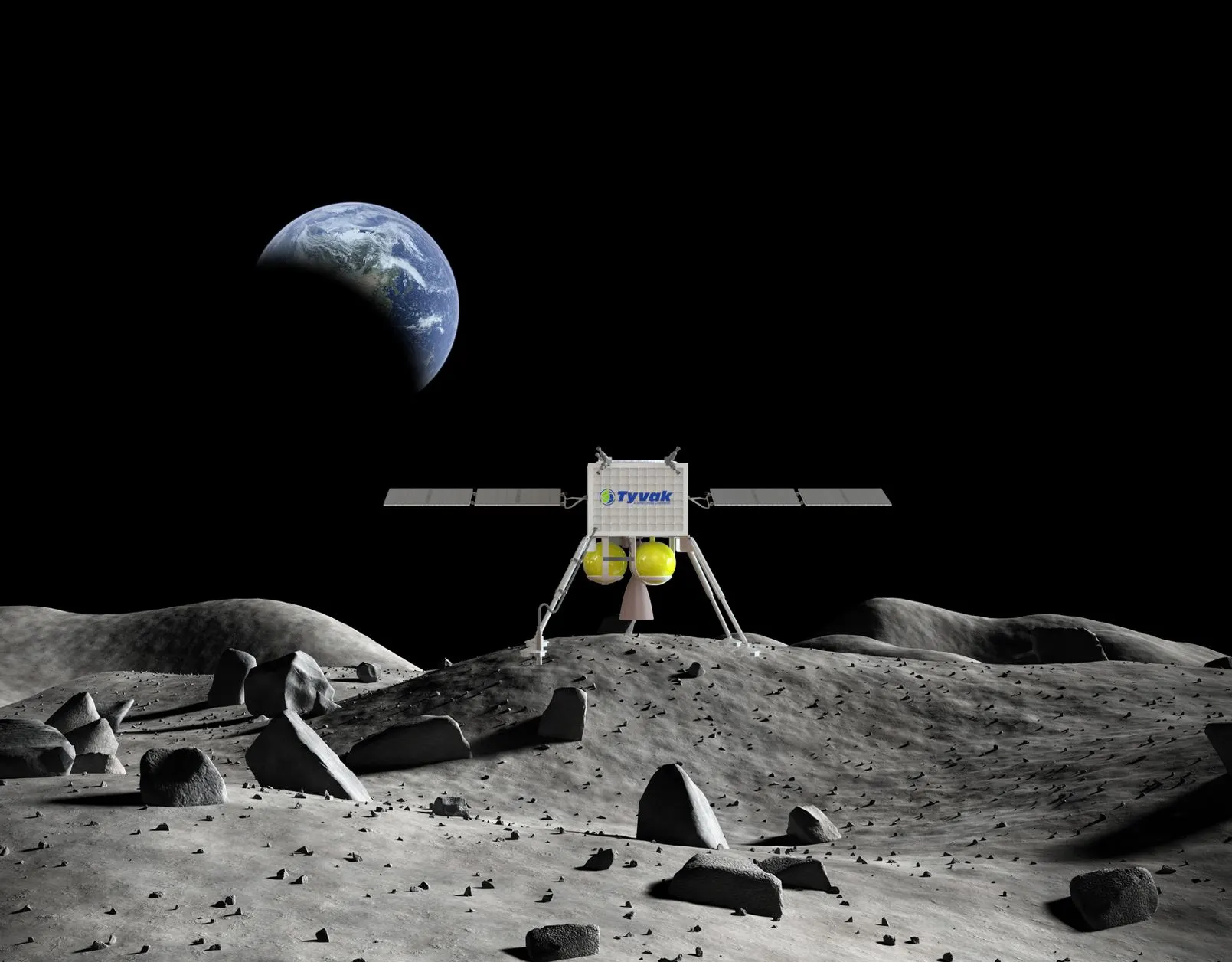
Artemis III was originally pitched as the big one: the mission where astronauts would finally touch down near the lunar south pole. That is no longer the plan. NASA has repurposed it as a low Earth orbit test flight. Four astronauts aboard the Orion capsule will rendezvous and dock with test versions of one or both commercial landers, SpaceX's Starship and Blue Origin's Blue Moon, to prove the hardware can work together before anyone risks a trip to the surface.
Think of it as a driving test in an empty car park before anyone is allowed onto the motorway. It is sensible engineering, but it is also a clear admission that the landers are not ready to carry people to the Moon yet.
The first crewed landing now falls to Artemis IV, which NASA is targeting for early 2028. If that schedule holds, it will be the first time humans have walked on the Moon since Apollo 17 in 1972. Which lander flies that mission has not been decided; NASA says the choice will depend on how each vehicle performs and on what the Artemis III tests reveal.
Even the date for Artemis III has been moving. NASA's media advisory describes it as targeted for mid-2027, while NASA's lander timeline presented earlier this month at the International Astronautical Congress points to the third quarter of 2027, and Space.com has reported it as late 2027. Whichever label you prefer, the test flight is roughly a year out, and every month matters.
A Mission That Proved the Hardware Can Fly
The pressure is high partly because the last chapter went so well. In early April, Artemis II carried four astronauts around the Moon on a roughly ten-day voyage, the first crewed lunar mission in more than half a century. Commander Reid Wiseman, pilot Victor Glover, mission specialist Christina Koch and Canadian Space Agency astronaut Jeremy Hansen travelled farther from Earth than any humans before them.
Orion splashed down in the Pacific off San Diego just after 8 p.m. Eastern on 10 April. Its heat shield survived temperatures of up to 5,000 degrees Fahrenheit, after NASA changed the re-entry approach that had caused charring on the uncrewed Artemis I flight in 2022. The capsule landed less than a mile from its target. A valve leak in the service module's propulsion system caused no safety problem this time, but NASA says it must be fixed before future lunar-orbit missions.
'We will explore. We will build. We will build ships. We will visit again,' Koch said after the flight. Isaacman called the crew 'ambassadors from humanity to the stars.' The astronauts were later welcomed to the Oval Office alongside Isaacman, and President Trump said of a 2028 landing, 'We have a shot at it.' His current term ends in January 2029, a fact that sharpens the politics around the deadline.
The Two Billion-Dollar Question Marks
Here is where the story gets tense. NASA wants to fly SLS rockets roughly every ten months, a pace it has never come close to matching. The gap between Artemis I and Artemis II was about three and a half years. According to Space.com's analysis, that cadence is being held up by the commercial landers, not by the rocket.
SpaceX's Starship is the more advanced of the two. Starship reached orbit for the first time on its 28 September test flight, a milestone that matters because the Moon plan depends on a vehicle that can reliably get to space and stay there. For Artemis III, SpaceX plans to use an existing V3 Starship upper stage with modifications, including a docking system, and no crew cabin. Crew cabin work is expected to finish by the end of 2026, with test flights running through the second quarter of 2027. SpaceX is targeting an uncrewed lunar landing before the end of 2027, with tanker flights for propellant transfer following Artemis III.
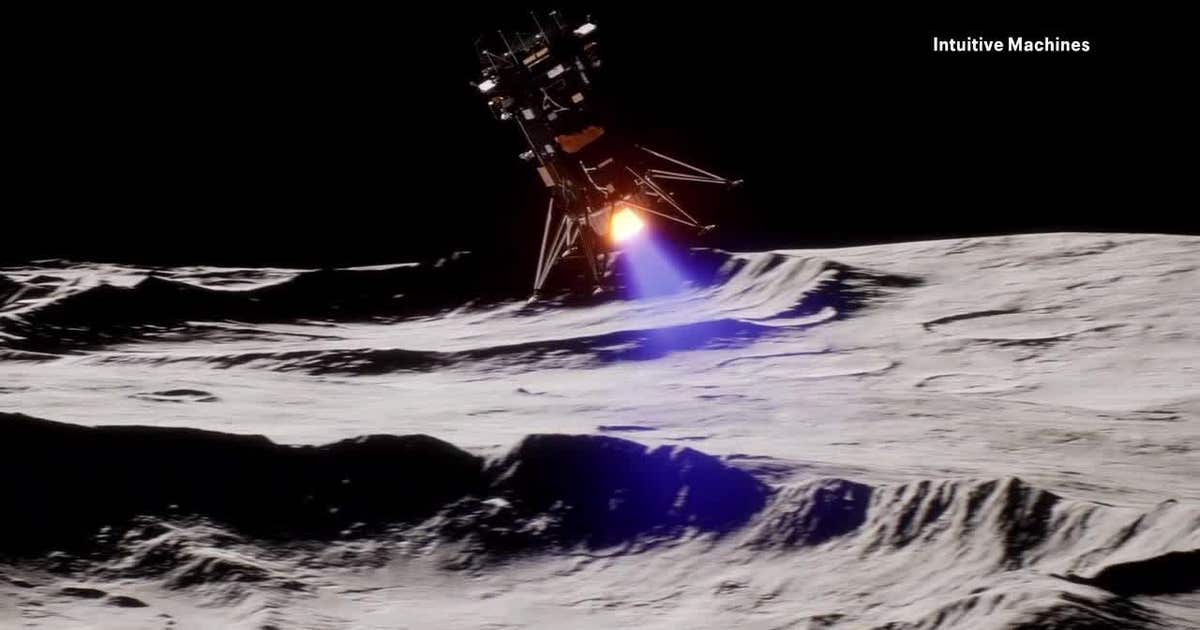
Blue Origin's Blue Moon is further behind, and the company has had a rough stretch. Its Mark 2 lander, about 52 feet tall and powered by three BE-7 engines, will fly as a more complete test vehicle with a crew cabin and partial life support that astronauts enter from Orion. But the smaller Blue Moon Mark 1 cargo lander has not yet flown to space. It has finished vacuum chamber testing at Johnson Space Center and is back at Cape Canaveral for final work. Its ride, the New Glenn rocket, suffered a recent anomaly, and while Blue Origin is targeting a return to flight in the fourth quarter of 2026, a Reuters report suggests early 2027 is more likely. An uncrewed Mark 2 landing attempt is pencilled in for the first quarter of 2028.
Put those dates side by side and the squeeze is obvious. SpaceX hopes to land an uncrewed Starship in late 2027. Blue Origin hopes to do the same in early 2028. NASA wants astronauts on the surface by the end of 2028, and has said it wants uncrewed touchdowns and liftoffs fully demonstrated before it risks a crew.
The Fuel Problem Nobody Can Wave Away
Behind the schedule slips sits a technical challenge that sounds simple and is anything but. Both landers rely on super-cold cryogenic propellants that slowly boil off in the heat of space. Both need multiple refuelling launches to fill their tanks in Earth orbit before heading to the Moon. And according to Space.com, transferring cryogenic fuel between two vehicles in space has never been tested.
Neither lander's current build supports astronauts, either. Life support, crew cabins and airlocks are still being developed. Docking with Orion is only one rung on a long ladder before NASA will certify either vehicle for crew. The White House's 2027 budget request includes $2.8 billion for the Human Landing System contracts, a reminder of how much taxpayer money is riding on this.
Expert Perspective: Ambition Meets Arithmetic
Isaacman has been blunt about the stakes since taking the top job. In February he presented an Artemis strategy that put Artemis III in the middle of 2027. In April he told the House Appropriations Committee that both vendors had responded to meet a late-2027 rendezvous, docking and interoperability test ahead of a 2028 landing attempt. Committee veteran Hal Rogers pressed him on how confident he really was in the schedule, a question that now hangs over today's briefing.
Independent analysts have been less optimistic. Reporting from Space.com has framed the question as whether NASA can still land astronauts in 2028 at all, and the core of that concern is arithmetic: a lot of firsts have to happen in a short window. Fuel transfer, uncrewed landings, lunar liftoffs, crew life support and a successful docking test all need to go right, mostly in sequence, within roughly two years.
NASA also has an eye on the geopolitical clock. China has its own crewed lunar goals, and US military and political officials have said America must win this race in order to help set norms of responsible behaviour on the Moon. For them, a delay is not just embarrassing. It is strategic.
What This Means for You
If you are hoping to watch humans walk on the Moon in your lifetime, the news is better than the headlines suggest. A landing in 2028 is still the stated goal, and the revised plan puts Artemis IV, not Artemis III, on the critical path. The shift may actually improve the odds that the first crew lands safely, because it forces the awkward hardware tests to happen in low Earth orbit, where an astronaut can get home in hours rather than days.
If you are a taxpayer, expect more headlines about budgets, schedule slips and who is to blame. The commercial approach was supposed to save money and speed things up. Whether it does will be tested over the next 24 months.
If you follow space for the spectacle, circle two dates. Watch for Starship's progress in the next test flights, and for New Glenn's return to flight. Either one going wrong could ripple straight into the Moon schedule. Both going right would make 2028 look a lot more believable.
And if you are simply curious about where this is all heading, remember that NASA's longer-term plan is not just a flag-and-footprints visit. The agency intends to follow Artemis IV with more landings and eventually a Moon base, supported by both robotic and crewed missions. The technologies being proven now, from docking to cryogenic refuelling, are the foundation for all of it.
The Verdict
Today's 'Artemis Acceleration' briefing is a chance for NASA to show it has a credible route to the lunar surface. The repurposing of Artemis III is the clearest sign yet that the agency is trading speed for certainty, and that it knows the landers must earn their place before anyone strapped into a seat depends on them.
The good news is that the foundations are real. Artemis II flew, the crew came home, and the heat shield held. Starship has reached orbit. Blue Origin is building a crewed-capable lander. The bad news is the long list of unproven steps between here and the surface, and a calendar that will not wait.
The Moon has waited more than fifty years for its next visitors. It can wait a little longer. The question is whether Washington, Hawthorne and Kent are ready to deliver before someone else gets there first. Watch this space.
Published By | Tech Wiz