Written By | Torch Media Africa
The grant fits a broader pattern of investment in health research capacity at Makerere
KAMPALA
Makerere University has been named scientific project leader of a five-year, €12.7 million initiative to strengthen how African countries run clinical studies and respond to disease outbreaks. The project, known as ACT-PREP, was launched at the university on Monday 28 September 2026, according to the Daily Monitor, and brings together 11 institutions across Africa and Europe.
What is happening
The budget of about Shs56 billion runs from 2026 to 2031 and is funded by the European Union and Global Health EDCTP3. The Monitor's report says the initiative aims to build research capacity for clinical trials across Africa and to create a research and response network for rapid epidemic response. Officials from the Ministry of Health and Makerere attended the launch. A minister, whom the available report does not name, told the audience that "African nations cannot afford to wait for emergencies to occur before developing local solutions."
Because the full Monitor article is behind a paywall, details such as the full partner list, work packages and specific diseases targeted were not available for this briefing. This article therefore limits itself to what the published summary and related coverage support.
Background and context
The grant fits a broader pattern of investment in health research capacity at Makerere. Recent institutional coverage describes an AI Health Lab launched at the university, a digital health collaboration between Makerere's School of Public Health and Estonia's TalTech, and a US-backed supercomputing facility for health research. In July 2026, a minister affirmed the national commitment to science, innovation and locally made health technologies, according to the Makerere news site. A university-linked group also reported an AI Innovation Demo Day in 2026.
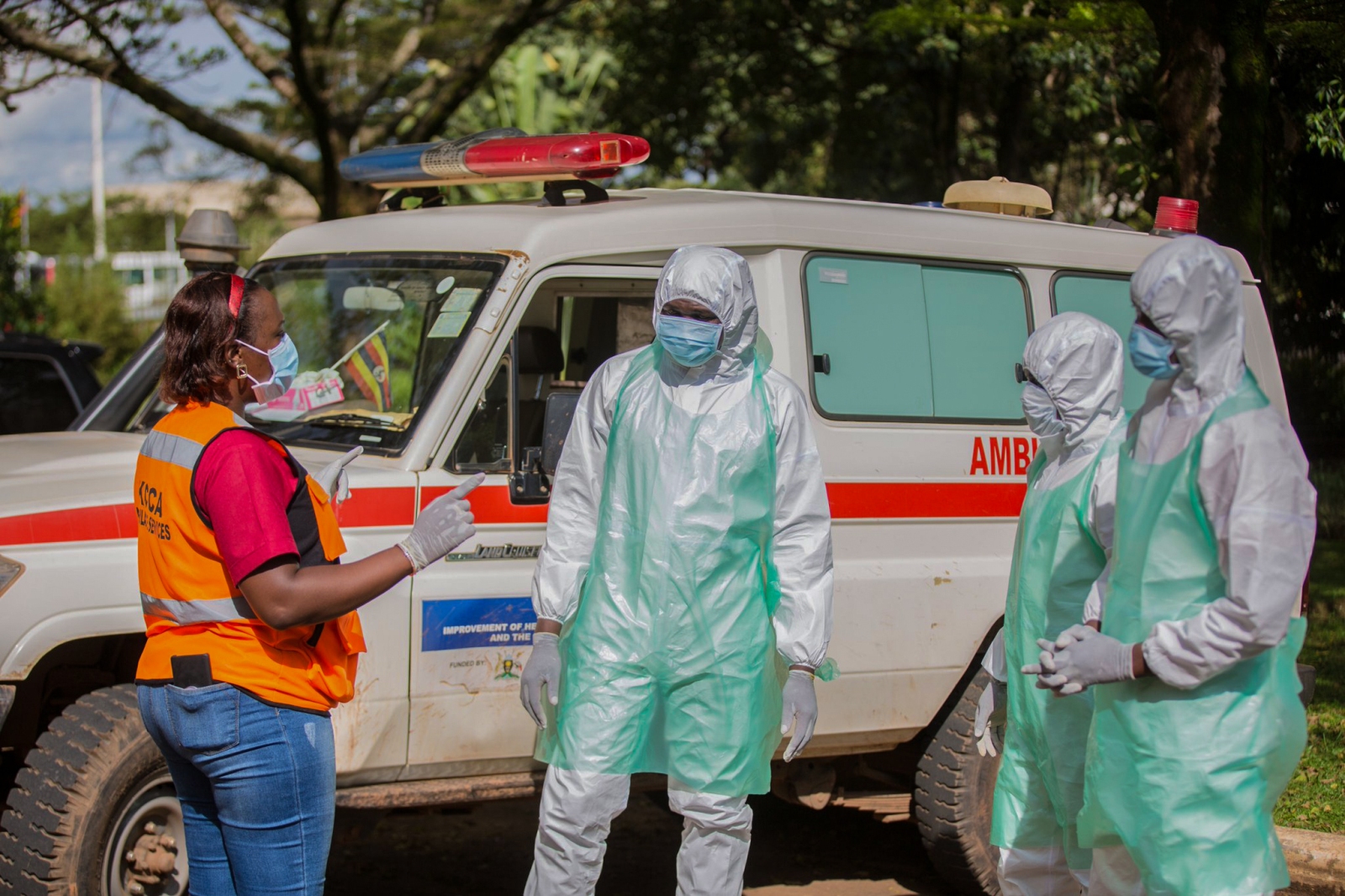
Uganda has first-hand experience of why such capacity matters. It has repeatedly had to respond to outbreaks of infectious disease, and the central lesson from such episodes is that the ability to run trials and generate data quickly is as important as hospital capacity. Initiatives like ACT-PREP aim to ensure that when an outbreak strikes, the research infrastructure, trained personnel, ethics and regulatory pathways, and partnerships already exist rather than being improvised.
The main players
Makerere University is the scientific lead. The funders are the European Union and Global Health EDCTP3, a European-African clinical research partnership programme. The project has 11 partner institutions across Africa and Europe, and the Ministry of Health is involved at the national level. The Monitor attributes the minister's remarks to the launch, but the minister's name is not given in the accessible text.
Why it matters
For Uganda, leading a continental consortium puts Makerere at the centre of African clinical research policy rather than at its edge. Trials in Africa have often been designed and led elsewhere, with local sites contributing patients and data. A structure in which an African university is the scientific leader changes who sets research questions, who owns the data and who builds the skills.
There is also a practical public health payoff. A functioning network of trial sites and researchers can shorten the time between detecting an outbreak and testing a vaccine or treatment. The minister's remark about not waiting for emergencies reflects the logic of preparedness: capacity has to be built before it is needed.
Risks and open questions
Five-year grants of this kind depend on delivery. Key questions include how funds are split between Makerere and partners, whether training translates into retained staff, how ethical and regulatory approvals will be harmonised across countries, and how the network will be sustained after 2031. None of these has been addressed in the accessible reporting, so they remain things to watch rather than findings.
What to watch next
The next signals will be the announcement of the full partner list and work plan, the first trials or training cohorts, and any link between ACT-PREP and Makerere's other digital health and AI initiatives. Government statements on co-funding or regulatory reform would also indicate how seriously national institutions are backing the programme.



