Written By | Torch Media Africa
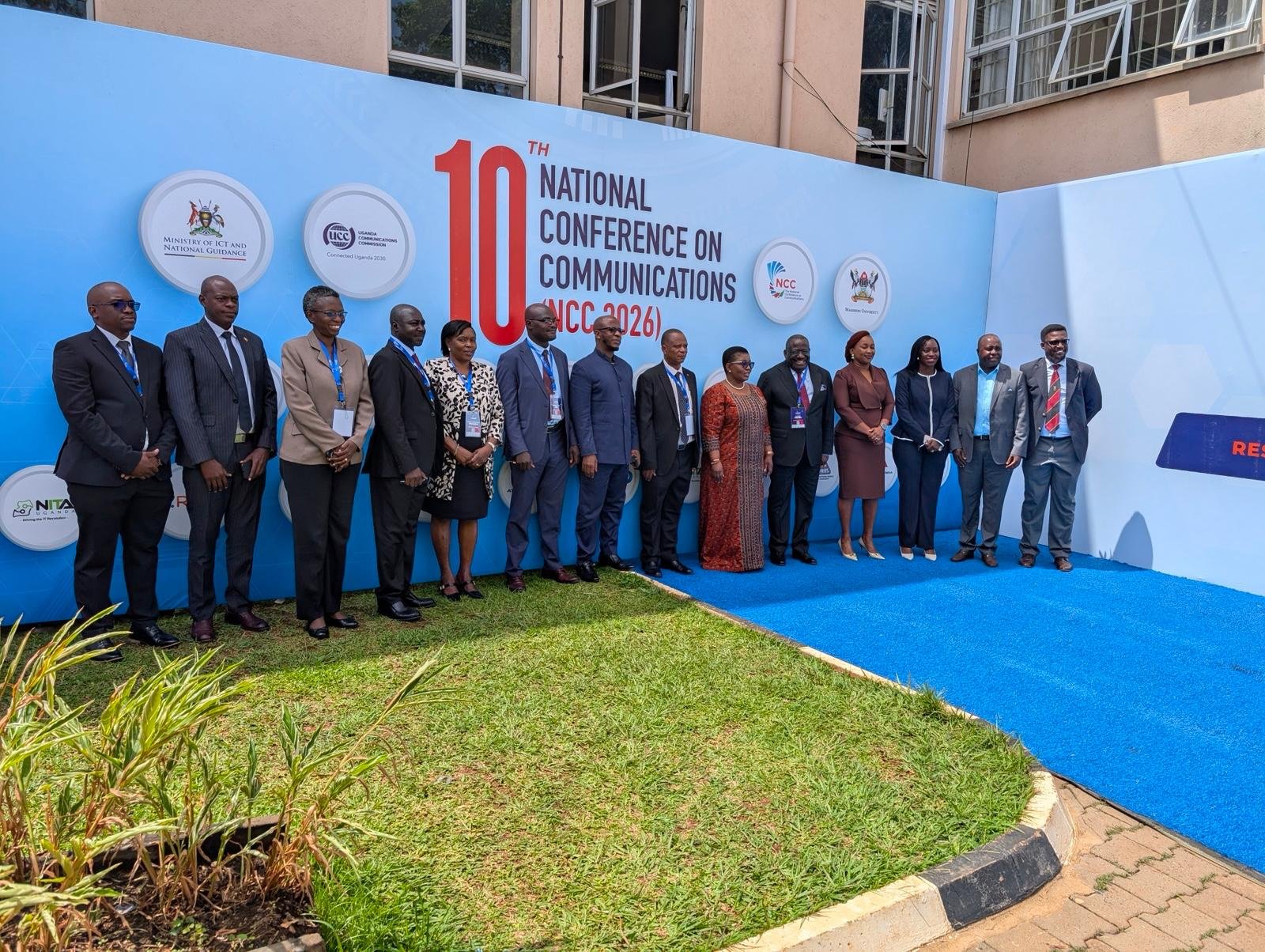
The event was organised by the Uganda Communications Commission (UCC) and Makerere University
TECHNOLOGY
Uganda’s universities, regulators and technology start-ups gathered at Makerere University in late September for the 10th National Conference on Communications (NCC 2026), under the theme “Accelerating Market-Driven Innovation for Uganda’s Development.” The message from the opening session, reported by Makerere on 30 September, was blunt: research will deliver national benefit only when ideas move out of laboratories and into use.
The conference is a modest event by global standards, but it surfaces a question central to Uganda’s ambitions of rapid, science-led growth: how to turn research and public spending on innovation into products, services and jobs.
What was said
Makerere Vice Chancellor Prof Barnabas Nawangwe, represented by Prof Moses Musinguzi, Principal of the College of Engineering, Design, Art and Technology, told delegates: “There is a need for stronger, more practical partnership between universities and industry in order to push ideas from the laboratories to society.” The university said the gathering brought together researchers, government officials, regulators, industry representatives, students and innovators.
According to a Tech Africa News bulletin of 28 September, other sessions covered building markets and ecosystems for innovation, with Innovation Village co-founder CK Japheth speaking on strengthening links between universities, research institutions and industry. Patricia Ejalu, Executive Director for Standards at the Uganda National Bureau of Standards, discussed the role of standards in supporting market-driven innovation and proposed greater student involvement in standards development. Julian Rweju, Director of E-Government Services at the National Information Technology Authority-Uganda (NITA-U), spoke on “Government as a Platform,” including work on open APIs that let private-sector providers build on public digital services. Secondary school students also demonstrated technology solutions to local problems.
The event was organised by the Uganda Communications Commission (UCC) and Makerere University. Sources differ on exact dates, with the conference website listing 24 to 25 September and the news reports dated 28 to 30 September, so this article refers to late September.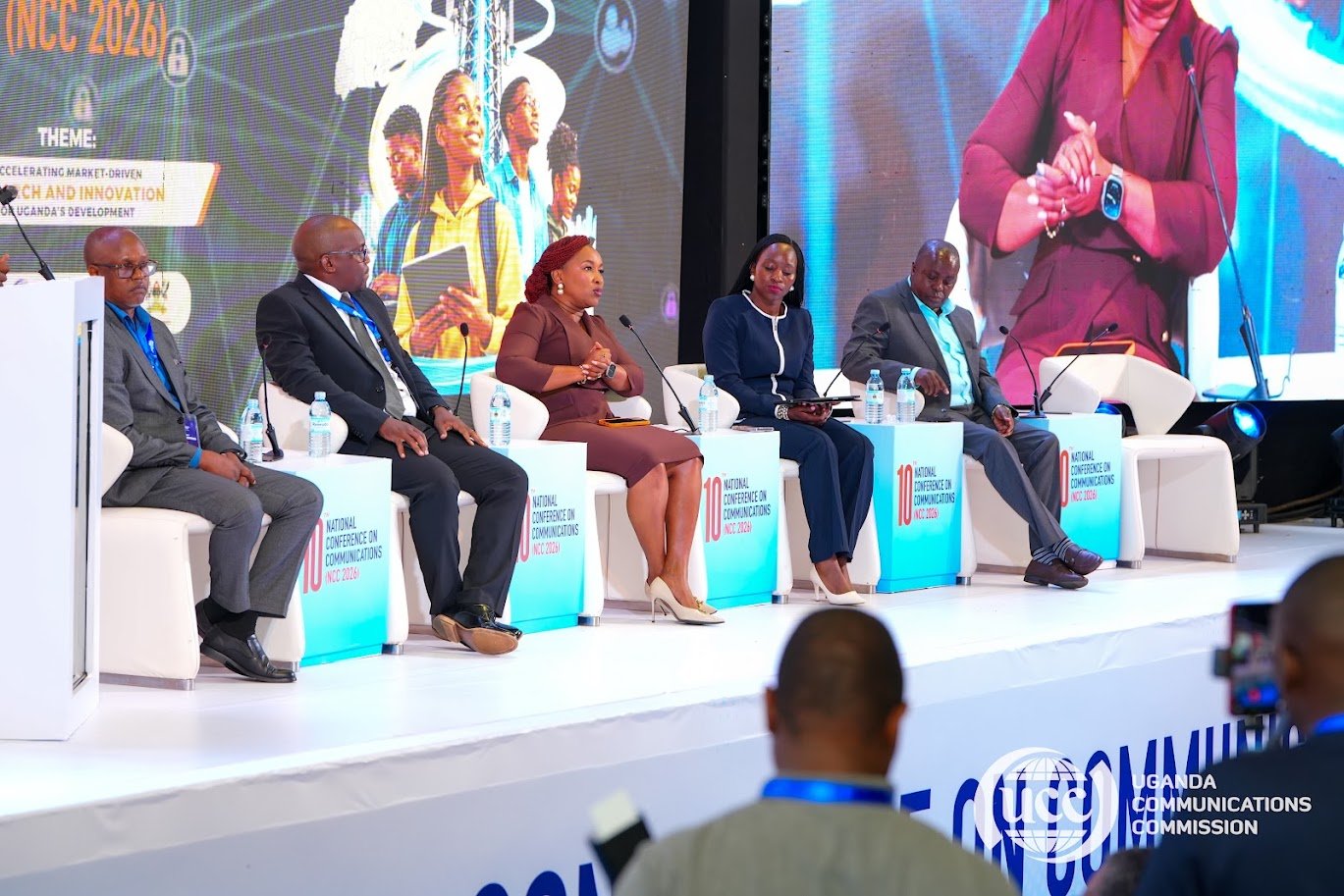
The policy context
The conference sits within a wider national push. Makerere launched its Strategic Plan 2030 in July, aligned, according to the university, with the government’s tenfold growth agenda. Reporting from April on National Science Week 2026 linked science and innovation to the government’s ambition of a $500 billion economy. In July, Makerere’s news service reported ministerial commitment to science, innovation and locally developed health technologies.
The government’s science-and-innovation framework has also emphasised funding. A 2025 report put the allocation for science and innovation in the FY2025/26 budget at Ush814 billion. These sources describe plans and allocations rather than results, which is why the commercialisation message at NCC resonated.
A live example: the HUVET Bio-Science Park
A recent project illustrates both the promise and the dependence on partnerships. On 29 July, President Museveni endorsed the HUVET Bio-Science Park in Mpigi District, which aims to produce vaccines locally and advance veterinary biotechnology, the Daily Monitor reported. Land has been secured, and the project is led by investor and engineer Hashem Azimi, who said the idea dates back 18 years to the 2008 Organisation of Islamic Cooperation summit in Kampala. Mr Museveni told the investor group: “I will support you.”
The scale of the opportunity is large. The Monitor cites the Africa CDC in noting that Africa imports more than 95% of the vaccines it uses. If the park proceeds, it would also need research partners, regulatory approval and skilled staff, precisely the university-industry links the NCC speakers called for. The project is at an early stage, and no timelines or financing figures were reported in the source reviewed.
Why it matters
Uganda’s research output and its commercial technology sector often operate in parallel rather than together. Speakers at NCC identified three bridges: standards, which give innovators a route to certification and market access; government digital platforms, which can create markets for private developers; and ecosystem builders such as innovation hubs, which connect ideas with customers and capital.
The open-API work described by NITA-U is of particular interest. If public e-services are exposed through well-documented interfaces, private firms can build payments, verification or information services on top of them, as has happened in other countries’ digital public infrastructure. Whether this materialises depends on implementation, security and fair access rules, none of which were detailed in the reports reviewed.
What to watch next
Watch for concrete follow-through: formal industry-university agreements, standards-sector programmes involving students, and the release of NITA-U’s open APIs to developers. Watch for any financing or regulatory milestones for the HUVET Bio-Science Park. Finally, watch the upcoming budget execution on science and innovation, which will show whether the allocations cited in policy documents are translating into funded projects.
Coverage of NCC 2026 available at the time of writing was largely institutional (university and trade-bulletin reports). Independent assessment of outcomes will only be possible once partnerships or products are announced.



