SAN DIEGO, CA
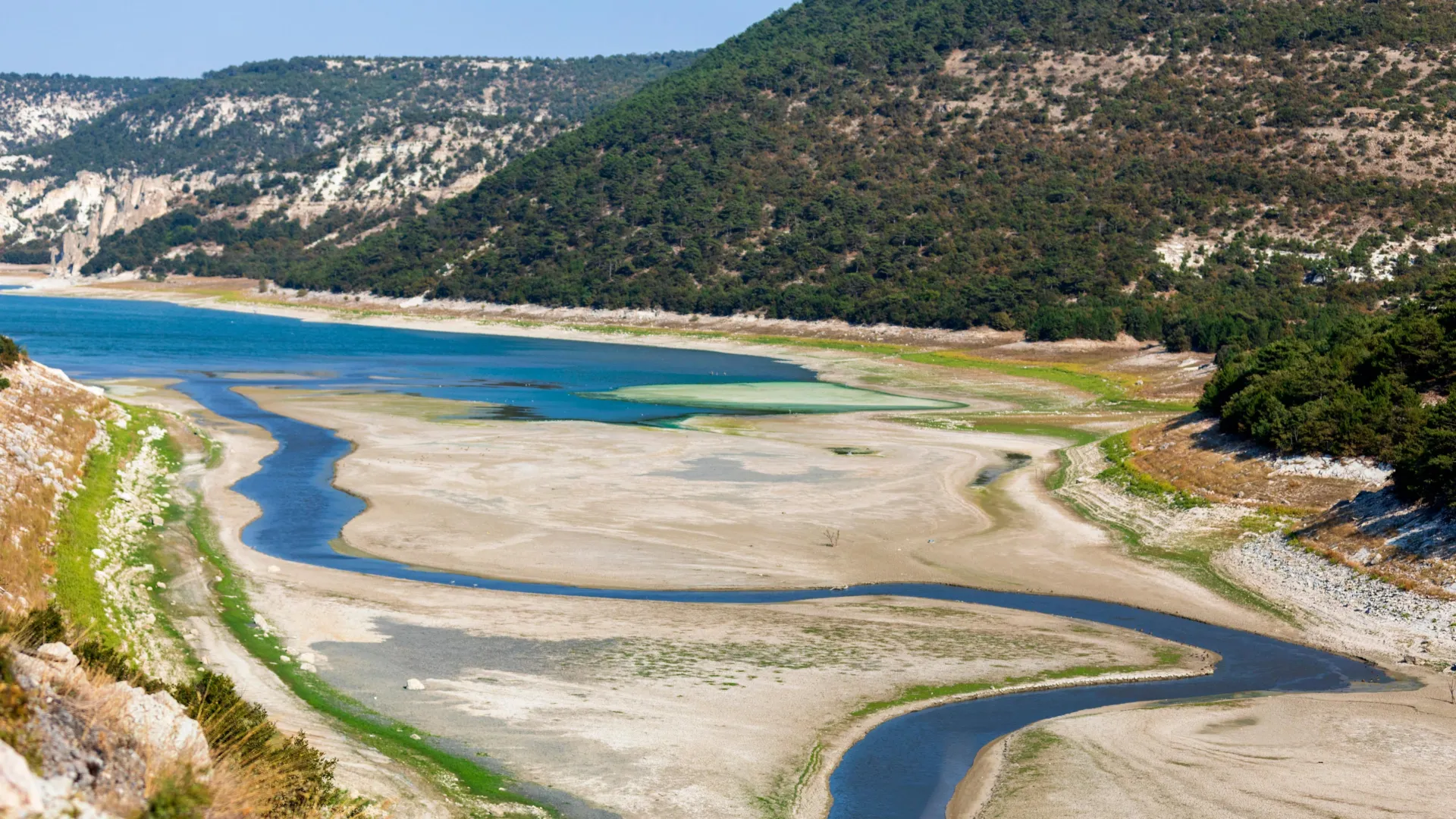
Somewhere off the coasts of nearly every continent on Earth, the water is losing its breath.
Scientists have a term for it: aquatic deoxygenation — the steady, accelerating decline of dissolved oxygen in oceans, coastal waters, rivers, lakes and streams. It sounds like a technical footnote. It is not. According to a major new scientific review published this month in the journal Limnology and Oceanography, the loss of oxygen from the world's waters has become so severe, and is now so tightly intertwined with nearly every other environmental crisis on the planet, that researchers are urging the international scientific community to recognize it as a driver pushing Earth into "unsafe" territory — a phrase usually reserved for the most serious environmental red flags scientists track.
The study's authors don't mince words about the stakes. Aquatic ecosystems, they argue, are not a side story to climate change — they are a load-bearing wall in the structure of a livable planet, and that wall is crumbling.
"The health and stability of our planet depend on the health and stability of aquatic ecosystems, which need oxygen to function normally," said Erica M. Ferrer, the study's lead author, a Scripps Institution of Oceanography alumna now working as a postdoctoral scholar at the University of California, Santa Barbara's National Center for Ecological Analysis and Synthesis.
WHAT'S ACTUALLY HAPPENING TO THE WATER
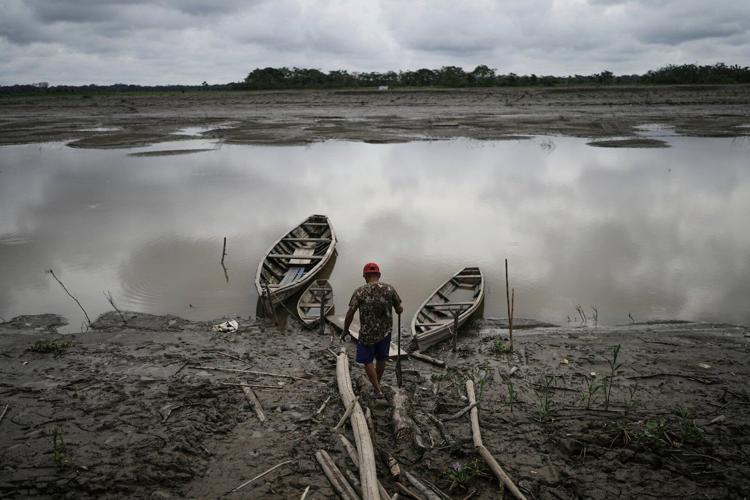
To understand why scientists are alarmed, it helps to understand what oxygen does for a body of water in the first place. Dissolved oxygen is the invisible currency that nearly all aquatic life depends on to survive — fish, shellfish, plankton, the microorganisms at the base of the food web, all of it. When oxygen levels drop low enough, an area becomes what scientists call a "dead zone": a stretch of ocean, lake, or river where marine life either flees, suffocates, or simply disappears.
According to the new review, three main human-driven forces are behind the accelerating oxygen loss:
Warming water. As global temperatures rise, oceans and freshwater systems absorb much of that extra heat. Warmer water simply cannot hold as much dissolved oxygen as cooler water — a basic property of chemistry that becomes a planetary-scale problem when applied across entire oceans.
Nutrient pollution. Runoff from agriculture, fertilizer, and wastewater dumps excess nitrogen and phosphorus into waterways. This fuels explosive algae blooms; when the algae die and decompose, the process consumes enormous amounts of oxygen, leaving behind water that can no longer support life.
Disrupted water circulation. Oceans "breathe" in part through the natural circulation and mixing of water layers, which carries oxygen-rich surface water down into the deep. Climate-driven changes are altering that circulation and increasing "stratification" — the layering of water by temperature and density — which traps oxygen-poor water below and prevents it from being replenished.
The result, researchers say, is a slow-motion suffocation playing out simultaneously in the open ocean, along heavily populated coastlines, and in the freshwater lakes and rivers that supply drinking water and food to billions of people.
A CRISIS THAT FEEDS OTHER CRISES
What sets the new review apart from prior warnings about ocean health is its central argument: aquatic deoxygenation isn't just another item on the list of environmental problems — it actively worsens nearly every other one.
The paper is built around the "planetary boundaries" framework, a scientific model first developed by researchers at the Stockholm Resilience Centre that identifies nine critical processes — including climate change, biodiversity loss, freshwater use, and ocean acidification — that keep Earth's systems stable enough for human civilization to thrive. Cross even a few of these boundaries too far, the theory goes, and the risk of abrupt, large-scale, potentially irreversible environmental change rises sharply. Several of these boundaries, including climate change and biodiversity loss, are already considered by many scientists to have been transgressed.
Ferrer and her co-authors argue that oxygen loss in aquatic systems interacts with — and often accelerates — nearly all of these other boundaries at once. Warming oceans lose oxygen, which stresses marine biodiversity, which weakens ocean carbon storage, which in turn worsens climate change, which further warms the oceans. Nutrient pollution that fuels dead zones also disrupts the broader nitrogen and phosphorus cycles that the planetary boundaries framework already flags as dangerously overloaded. In other words: oxygen loss isn't operating in isolation. It's a feedback amplifier, quietly turning up the volume on almost every other environmental alarm already ringing.
That's why the authors are pushing to have aquatic oxygen levels treated as a critical factor in the planetary boundaries framework in its own right, rather than folded in as a side effect of climate change or pollution. Given how fast oxygen is disappearing and how many other systems it touches, they argue current levels of loss already qualify as "unsafe" — and some of the resulting damage, they warn, could persist for centuries and may not be reversible within human lifetimes.

DEAD ZONES: FROM RARE TO ROUTINE
Low-oxygen dead zones are not a new phenomenon — some of the most infamous, like the seasonal dead zone in the Gulf of Mexico fed by nutrient runoff from the Mississippi River, have been studied for decades. But researchers say what's changing is the scale, frequency, and permanence of these events, both along coastlines and increasingly in the open ocean's deeper "oxygen minimum zones."
The consequences ripple through entire ecosystems. Fish, sharks, and other mobile marine species are forced to abandon low-oxygen waters and crowd into narrower and narrower bands of oxygen-rich habitat, a phenomenon researchers describe as "habitat compression." That compression doesn't just stress the animals — it makes them dramatically easier targets for both predators and human fishing fleets, since entire populations are squeezed into smaller, more predictable areas. Species that can't move, like shellfish beds or bottom-dwelling organisms, often simply die where they are.
Beyond wildlife, the review notes that oxygen loss threatens fishing, aquaculture, tourism, and the broader "ecosystem services" that coastal and freshwater communities depend on economically and culturally — meaning the crisis isn't confined to biology textbooks. It shows up in fishing boat hauls, seafood prices, and the health of communities that have relied on the same waters for generations.
WHAT THIS MEANS FOR YOU
It's easy to file "ocean oxygen levels" under problems that live far away from everyday life. It isn't. If you eat seafood, the fish populations you rely on are being squeezed into smaller and smaller pockets of livable water, a dynamic that can drive up prices and destabilize fishing economies well before a species is formally declared endangered. If you live near a coastline, lake, or river affected by seasonal algae blooms, you may already have encountered the visible, smellable symptoms of this exact process — and those blooms are projected to intensify as warming and nutrient pollution continue.
More broadly, this study is a reminder that climate change isn't a single, isolated threat with a single fix — it's a web of interacting systems, and weakening one strand of that web puts pressure on all the others. The researchers' core warning is that we've been measuring the health of the planet using boundaries that don't fully account for what's happening in its water, even though water covers roughly seventy percent of Earth's surface and underpins the food and climate systems everyone depends on.
There is also a slower-moving, generational stake here. The review's warning that some impacts "may not be reversible within human lifetimes" means decisions being made — or not made — about nutrient pollution, emissions, and water management today could lock in degraded oceans, lakes, and rivers for decades or longer, regardless of what corrective action is eventually taken.
CAN ANYTHING BE DONE?
The researchers stop short of prescribing a single silver-bullet fix, in part because the drivers of oxygen loss are so varied — a warming-driven decline requires a different response than a fertilizer-runoff-driven one. But the paper's framing points toward two broad levers: slowing the warming that's driving oxygen out of the water in the first place, and sharply reducing the nutrient pollution — largely from agricultural runoff and wastewater — that fuels the algae blooms behind so many dead zones.
Some regions have already shown these interventions can work. Targeted reductions in nutrient runoff have helped some historically low-oxygen coastal zones partially recover in the past, suggesting the damage, while severe, is not universally permanent if addressed early enough. The bigger challenge, researchers say, is doing this at the global scale and speed the crisis now demands — and recognizing, as this review insists, that ocean and freshwater oxygen levels deserve a seat at the table alongside carbon emissions and biodiversity loss as a defining measure of planetary health.
For now, the message from the scientists who spend their careers studying the water beneath the waves is blunt: the ocean is running out of breath, and the clock on reversing that is not infinite.
"The health and stability of our planet depend on the health and stability of aquatic ecosystems," Ferrer said — and for the first time, scientists are putting a number on just how close to the edge that stability has come.
Published By | Tech Wiz