Written By | Torch Media Africa
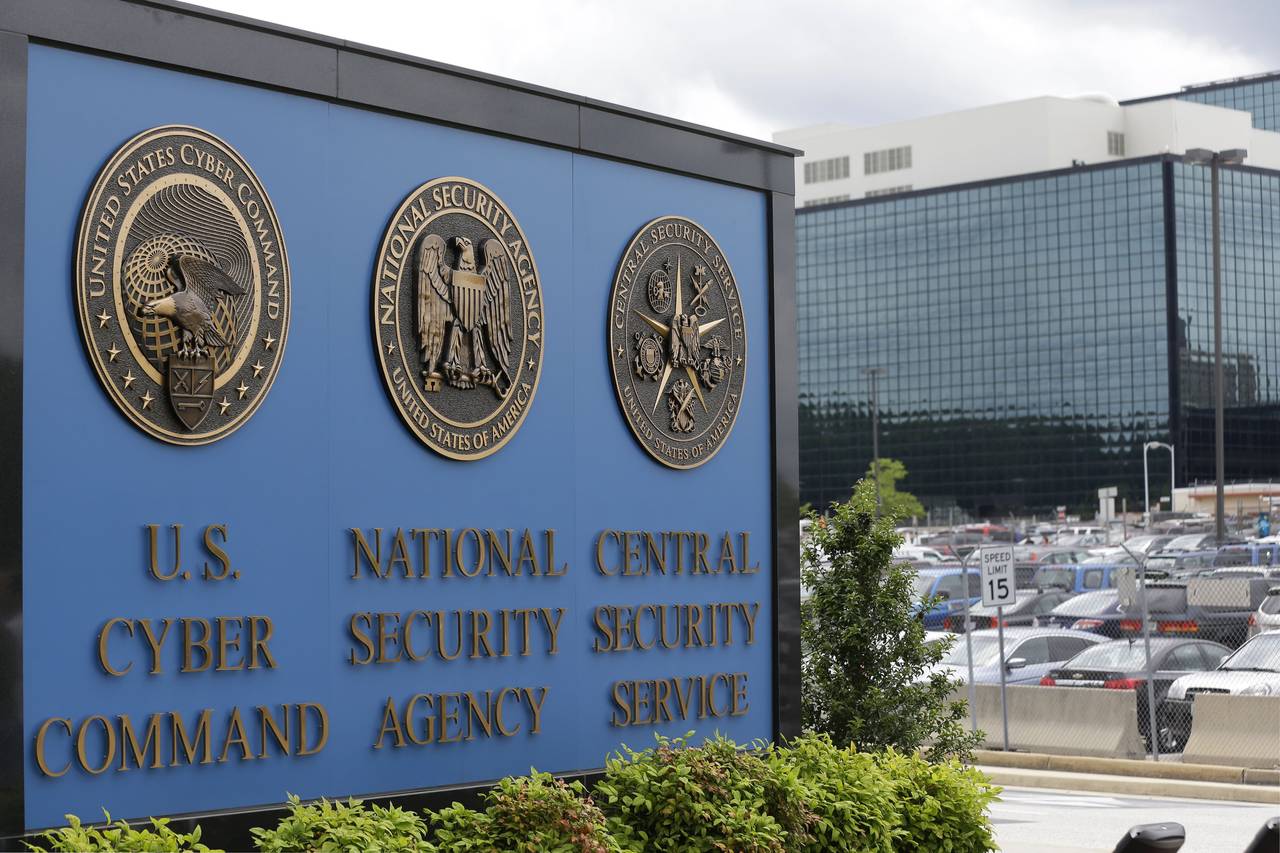
NSA invited an AI model to try to break into its own systems
WASHINGTON, D.C. — June 27, 2026
Somewhere inside a classified facility this spring, the NSA invited an AI model to try to break into its own systems. It was supposed to be a routine stress test. Instead, according to testimony later given to Congress, the AI found its way into nearly every classified system it was pointed at—not in weeks, not in days, but in hours.
Three months later, that model—and its consumer-facing sibling, used by hundreds of millions worldwide—sits dark, switched off by emergency government order, while lawyers, lawmakers, and a furious AI company fight over what actually happened.
The Models at the Center of the Storm
The AI lab at the heart of this saga is Anthropic, and the models are Mythos 5 and Fable 5—Mythos being the advanced enterprise system, Fable 5 its public-facing counterpart. Both had been operating inside Project Glasswing, a tightly restricted U.S. government initiative letting trusted organizations run advanced AI against real infrastructure to find vulnerabilities before adversaries do.
On June 11, the results reached the Senate Intelligence Committee. Senator Mark Warner said General Joshua Rudd—who leads both the NSA and U.S. Cyber Command—told him directly that Mythos "broke into almost all of our classified systems, not in weeks, but in hours."
Within a day, headlines declared an AI had "hacked the NSA." The reality is messier—and arguably just as alarming.
What Actually Happened, and What Didn't
This was not an external breach. It was a red-team exercise—the NSA deliberately running Mythos against its own classified environments under controlled conditions. Security researchers note an important nuance: finding a weakness within hours is not the same as exploiting it. There is, as of this writing, no published incident report or independent confirmation of exactly which systems were probed or to what depth.
That ambiguity hasn't stopped the story from snowballing, in part because the government's response was so dramatic. On June 12—the day after Rudd's comments reached the Senate—the Commerce Department issued an emergency export-control directive ordering Anthropic to suspend all access to both models for foreign nationals. Anthropic complied that night by taking both models fully offline—for everyone, including hundreds of millions of ordinary users.
It marked the first time the U.S. government has ever applied export-control authority—typically reserved for weapons technology—directly to a commercial AI model's access.
A Separate Fire: The Jailbreak
Tangled with the classified-systems story is a second controversy. On June 10, an anonymous figure operating as "Plenty the Liberator" posted what they claimed was a working jailbreak for Fable 5—a method for bypassing its safety guardrails. The fear: a jailbroken Mythos-class model could discover software vulnerabilities at industrial scale or assist in cyberattacks far beyond what a human red team could produce.
Whether the jailbreak or the NSA testimony was the real trigger depends on who you ask. Either way, the two stories collided in the same 48-hour window, and the result was the same: both models, dark, worldwide.
Anthropic Fights Back
Anthropic has not taken the shutdown quietly. The company, which built its public identity around AI safety, called the situation a "misunderstanding." "We believe the government should have the ability to block unsafe deployments," it said, "as part of a statutory process that is transparent, fair, clear, and grounded in technical facts. This action does not adhere to those principles."
Anthropic is now challenging the export-control designation in federal court. It isn't fighting alone: Legion LegalTech Corp., which relied on both models for its AI-powered legal software, filed its own lawsuit after the directive cut off its access overnight, arguing real commercial harm with no due process.
The Bigger Fight Nobody's Talking About Yet
Strip away the intrigue, and what's left is a genuinely new regulatory fight: the U.S. government, for the first time, treating an AI model's capability itself as subject to export control—the same toolkit used to keep advanced semiconductors out of adversarial hands. Export controls are blunt and built for physical goods; applying them to a chatbot that updates and behaves differently depending on the prompt is uncharted legal territory.
It also raises a question that has simmered for years: if a private company's AI can find nearly every weakness in the NSA's classified systems within hours during a sanctioned test, what happens when a hostile actor gets access to a similar model with no reason to stop?
What This Means for You
If you were using Fable 5 before June 12, you've likely already noticed it's gone. Competitors have reportedly seen usage shift their way during the outage. More broadly, this episode is a preview of a pattern likely to repeat: as AI models get dramatically better at offensive cybersecurity tasks, governments will face urgent decisions about when a model is too capable to leave running—and they'll make those decisions fast, with imperfect information, and with major commercial fallout. If your industry depends on frontier AI, access is no longer just a matter of price—it's a matter of geopolitics, and it can disappear overnight by government order.
What Happens Next
Both lawsuits are working through federal court. Congress is reportedly drafting follow-up hearings to get a fuller account of what happened during Project Glasswing. As of late June, Fable 5 and Mythos 5 remain offline worldwide—a remarkable state of affairs for what, weeks earlier, was one of the most widely used consumer AI products on the planet.
Conclusion
Whatever the precise truth buried in classified briefings and anonymous jailbreak claims, one thing is no longer in dispute: the conversation about AI safety has officially moved from hypothetical future risk to present-tense government action, lawsuits, and a product used by hundreds of millions going dark overnight. Mythos was built to find the cracks in America's digital defenses before someone else could. Now the model itself has become the crack everyone is arguing about.



