Written By | Torch Media Africa
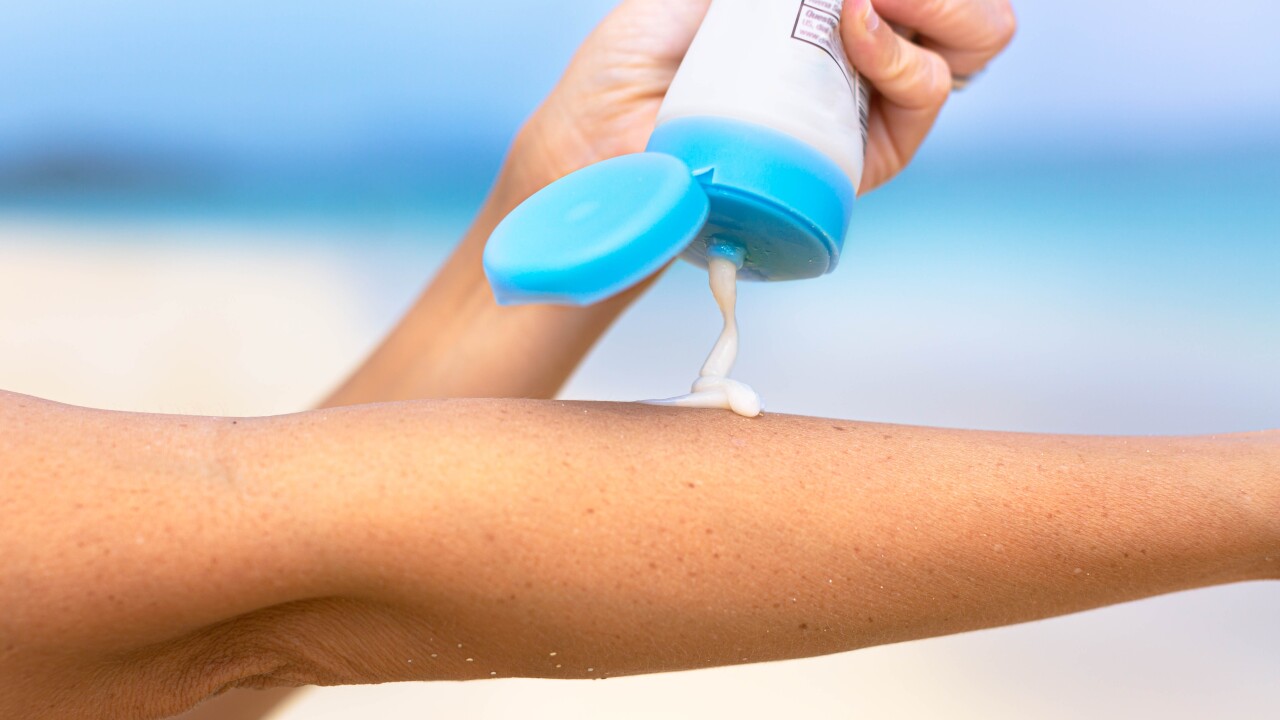
Skin cancer claims one American life every hour. One in five will develop it. A better sunscreen isn't a luxury — it's a weapon.
WASHINGTON, D.C.
For 25 years, Americans have used sunscreen technology their European and Australian cousins left behind. The world's best UV filter — stable, powerful, trusted for decades — sat in 80+ countries while the U.S., with the highest skin cancer rate on Earth, banned it.
No longer. On June 9, the FDA approved bemotrizinol — the first new sunscreen ingredient cleared in America in more than 25 years. By summer's end, U.S. sunbathers finally get the global gold standard.
Skin cancer claims one American life every hour. One in five will develop it. A better sunscreen isn't a luxury — it's a weapon.
What is bemotrizinol?
A single molecule that blocks both UVA (aging, cancer-driving) and UVB (burning) rays. Its superpower: photostability. Unlike avobenzone (the last approved U.S. filter, from 1997), bemotrizinol doesn't break down after an hour. It lasts for hours.
Approved for adults and babies over six months, at concentrations up to 6%. First products arrive later this year via DSM under the brand Parsol Shield, with wider availability after an 18-month exclusivity window.
Why did it take 25 years?
Bureaucracy, not science. Bemotrizinol has been used in Europe since 2000, and across Australia, Canada, Japan, and dozens of other countries for decades — with a flawless safety record. The U.S. regulated sunscreens as drugs, with a painfully slow approval process. The 2020 CARES Act finally created a faster pathway. Bemotrizinol is the first through.
Chemical vs. mineral
Mineral sunscreens (zinc, titanium dioxide) are safe but chalky. Older chemical filters (avobenzone) are unstable. Bemotrizinol is a new breed: chemical protection with mineral-like staying power, minimal skin absorption, and a lighter, non-greasy feel — no white cast, no stinging eyes.
What it means for you
Keep using your current sunscreen — nothing is being recalled. But starting this fall, look for bemotrizinol or Parsol Shield on labels. Best for those with a family history of melanoma or skin cancer survivors. Remember: seek shade, wear a hat, reapply. A better shield isn't a force field.
The bottom line
A superpower that lands rovers on Mars took 25 years to approve a sunscreen. But the door is now open — other modern filters are queued up behind bemotrizinol. One American still dies of skin cancer every hour. As of June 9, 2026, we finally get the good sunscreen. Wearing it? That's still on us.



