Share
By Linet Nabwire
Africa stands at a crossroads. While the climate crisis poses an existential threat, bringing droughts, floods, landslides, and food insecurity ,it also presents an unparalleled economic opportunity. The continent, responsible for less than 4% of global emissions, suffers disproportionately from climate impacts. Yet, what if Africa could recast this crisis into a green growth strategy that drives jobs, innovation, and shared prosperity?
The Stark Reality: Climate Impacts vs. Economic Potential
In Uganda, where I hail from the slopes of Mt. Elgon landslides and erratic rainfall have devastated livelihoods. Women and girls, burdened by patriarchal norms, bear the worst impacts, fetching water in drought-stricken areas and rebuilding after floods. Across Africa: Droughts in the Horn of Africa have left 23 million people food insecure (UNOCHA, 2023), Floods in Nigeria, South Africa, and DRC have displaced millions (World Bank, 2023) and Deforestation and land degradation cost Africa $68 billion annually (AFDB, 2022). 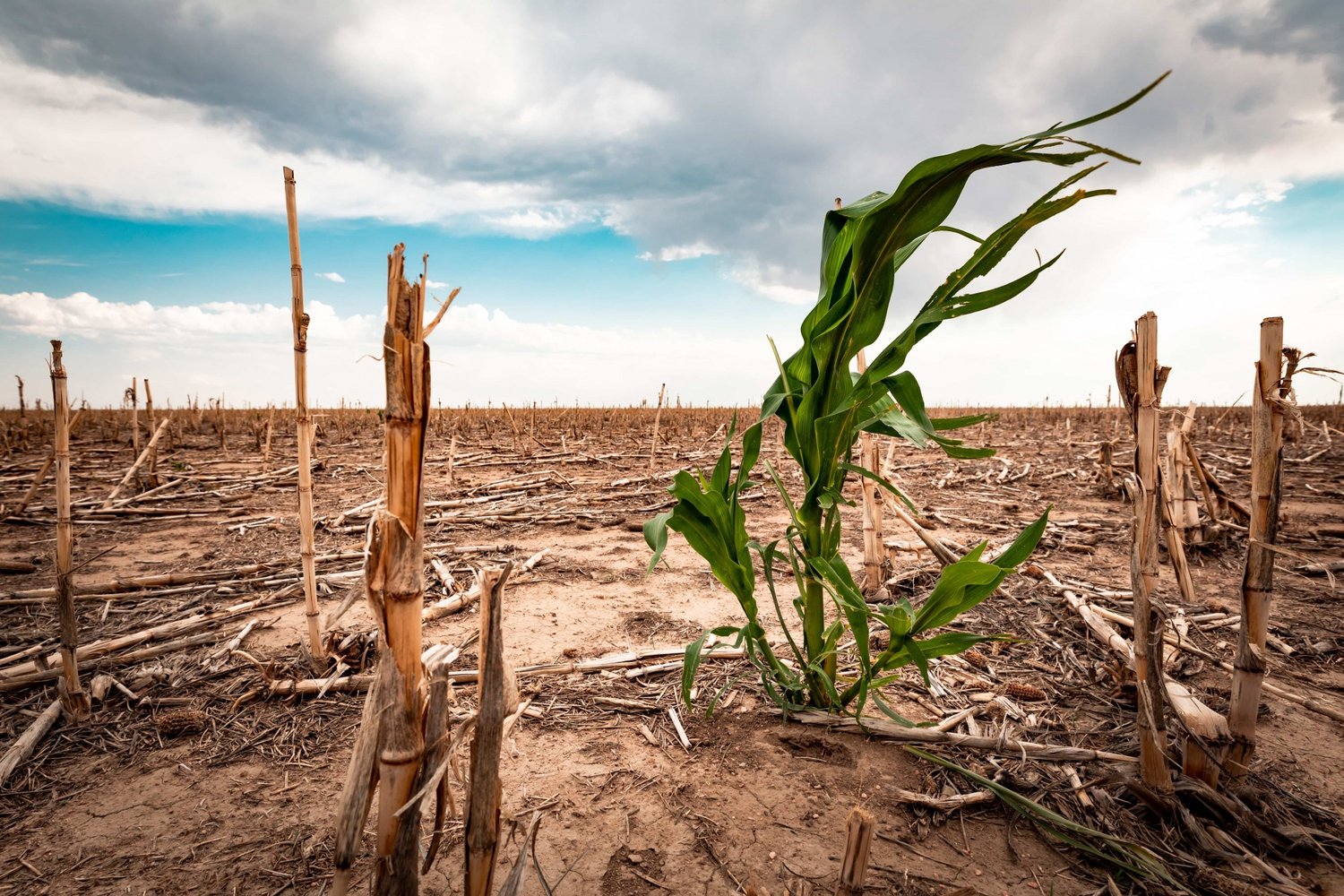
Yet, Africa holds 40% of the world’s renewable energy potential, 30% of critical minerals for green tech, and 65% of the world’s uncultivated arable land(IRENA, 2022). The question is: How can African nations turn climate vulnerability into economic resilience?
1. Green Industrialization: The Next Frontier
Africa must leapfrog fossil fuels and embrace renewable energy, circular economies, and sustainable agriculture. Examples: Kenya generates 92% of its electricity from renewables (geothermal, wind, solar), South Africa’s Just Energy Transition Partnership (JETP) aims to mobilize $8.5 billion for renewable energy and job creation, Rwanda’s green city initiative in Kigali integrates urban planning with climate resilience.
Opportunity: The global green economy is projected to be worth $10.3 trillion by 2050(Global Commission on the Economy and Climate). Africa must position itself as a manufacturing hub for solar panels, electric vehicles (EVs), and green hydrogen. 2. Climate Finance: Bridging the Gap, Africa receives only 3% of global climate finance(CPI, 2023). Yet: Carbon credits could generate $15 billion annually by 2030 (AFDB), Debt-for-climate swaps(e.g., Seychelles’ marine conservation deal**) free up funds for adaptation and youth-led innovations, like Nigeria’s Wecyclers (waste-to-wealth)and Uganda’s "Trash to Treasure" (my initiative), show grassroots potential. 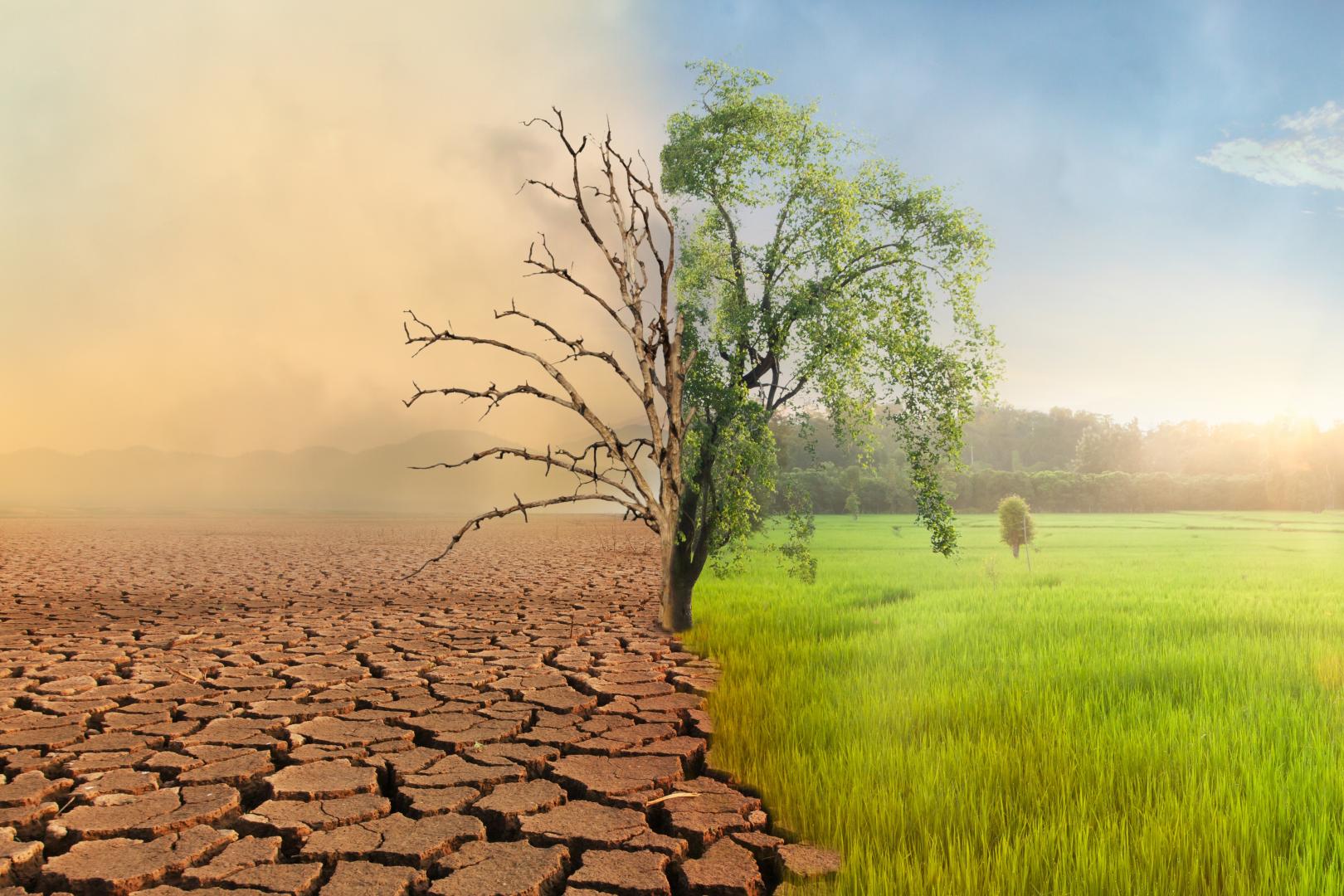
Call to Action: African governments must reform policies to attract green investments, while businesses and philanthropies must fund youth-led climate solutions.
3. Gender-Responsive Climate Policies
Women produce 60-80% of Africa’s food yet own only 15% of agricultural land (FAO). Empowering women in: Agroecology (e.g., Tree Adoption Uganda’s women-led reforestation**), Clean energy (e.g., Solar Sister’s women solar entrepreneurs) and Climate leadership (e.g., Uganda’s Vanessa Nakate).
Economic Benefit: Closing the gender gap in agriculture could increase yields by 20-30%, lifting millions from poverty (World Bank).
4. Youth: The Untapped Powerhouse
Africa’s median age is 19. The youth must drive: Green startups (e.g., EcoBricks in South Africa, Majik Water in Kenya), Digital climate solutions (e.g., FarmDrive’s AI for smallholder farmers) and advocacy & Accountability(e.g., Fridays for Future Africa).
Fact: The African Continental Free Trade Area (AfCFTA) could boost intra-African trade by 52% if aligned with green industrialization (UNECA).
Conclusion: From Crisis to Opportunity
The climate crisis is Africa’s greatest economic test,and chance. To seize it, we need:
✅ Government Action: Green policies, carbon pricing, and renewable energy investments.
✅ Private Sector Innovation:Circular economies, climate-smart agribusiness.
✅ Youth & Women Leadership: Funding, training, and policy inclusion.
Africa must reframe the narrative, from victim to visionary. The time for climate justice as economic justice is now.
Let’s build a greener, fairer Africa, together.
The writer is a Feminist Climate Justice Advocate | Strategic Team Lead & Founder, Creation Care Foundation | President of the Rotaract E-Club of Uganda Global



