Written By |
Psychologists say more people are suffering from anxiety, depression, post-traumatic stress disorder (PTSD), as well as insomnia and increased substance abuse.
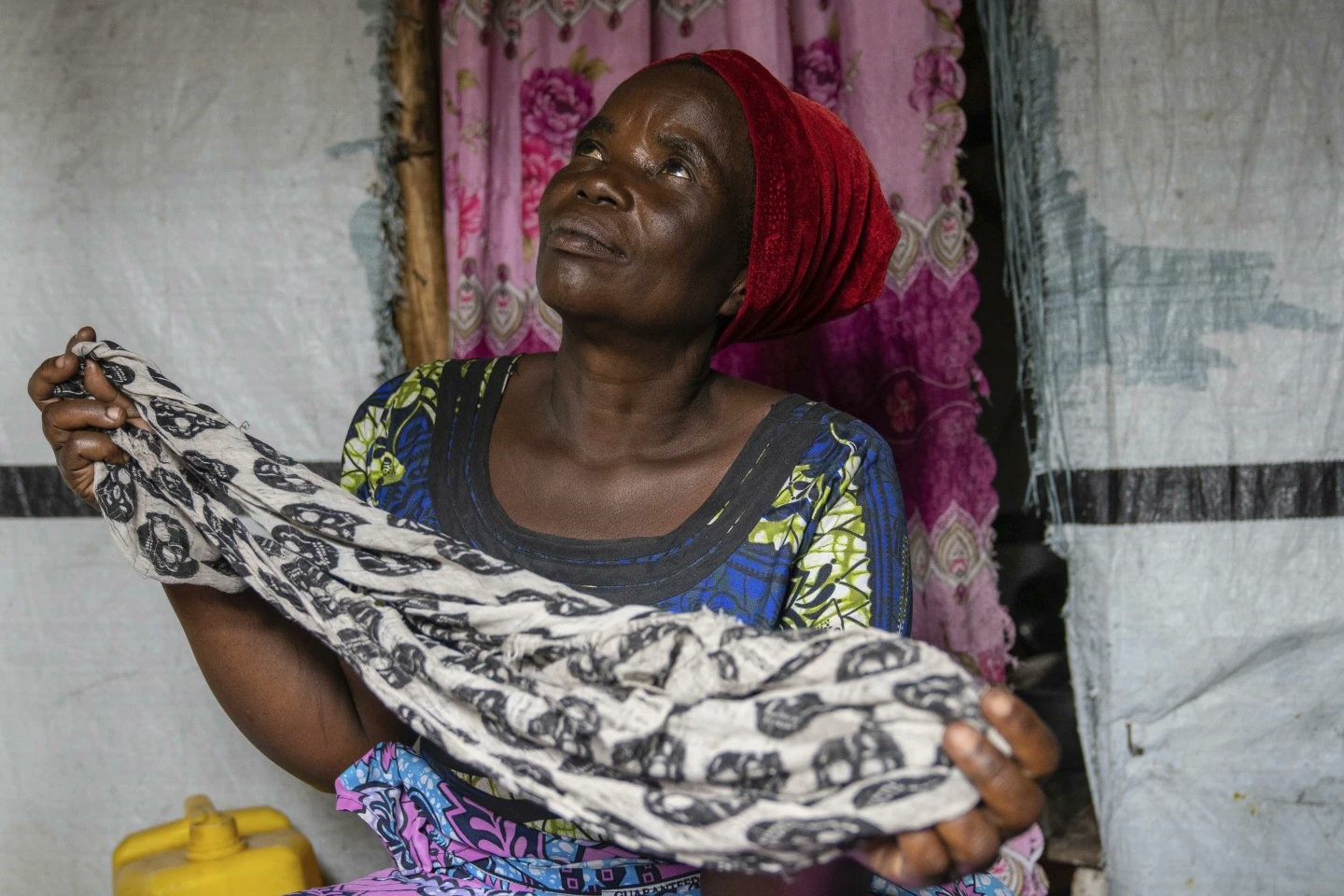
GOMA — For Nelly Shukuru, there seemed to be no escape. The fighting that forced her from her home, the squalid conditions in the displacement camp in eastern Congo, and the hunger all felt inescapable. The 51-year-old planned to hang herself. A neighbor stopped her just in time. "In my mind, the suffering was permanent," said the mother of six, seated in a health clinic. "The people who have died are better off than I am."
Years of conflict in eastern Congo have created a severe mental health crisis. Aid groups report that the number of people seeking care has surged as fighting intensifies. Some of the worst-affected struggle to survive in cramped, violent displacement sites that are not conducive to recovery.
The number of people receiving psychosocial support in camps around Goma, the main city, increased by more than 200% between January and June compared to the same period last year — from 6,600 to over 20,000, according to the aid group Action Against Hunger.
Reports of suicidal thoughts have also spiked, from about five per month at the beginning of the year to over 120, according to the group. More than 100 armed groups have been vying for control of mineral-rich eastern Congo near the Rwandan border. The violence has escalated as the M23 rebel group, backed by Rwanda, has reemerged, displacing millions. Over 600,000 people are sheltering in camps near Goma.
Psychologists say more people are suffering from anxiety, depression, post-traumatic stress disorder (PTSD), as well as insomnia and increased substance abuse. "All around us, there is war, and the number of people facing difficulties is growing daily," said Innocent Ntamuheza, a psychologist with Action Against Hunger.
However, there is little mental health support available. Less than 30% of the requested $180 million for protection — which includes mental health services — in this year's humanitarian response plan has been funded, according to the United Nations, which calls Congo one of the world’s most neglected crises.
Shukuru said she considered suicide in August after her 21-year-old son, drunk, struck her head with a rock during an argument over a radio. Since arriving in the camp, her children’s drinking has worsened due to idleness, she said. The family used to farm and attend church in their hometown of Sake but fled in February when it was bombed. Her husband, a construction worker, struggles to find jobs. The aid they receive is insufficient. Some camps for displaced families are less than a day’s walk from the front lines. In May, shells struck the camp where Shukuru lives, killing about 40 people and injuring others, locals and aid groups reported.
Armed men live among the camp populations. During a visit in August, The Associated Press saw men carrying guns and a truck full of people in military fatigues driving through, chanting war songs. It was unclear whether they were with the military or self-defense groups.
In an effort to push back M23, the government has supported militia groups under a coalition called the Wazalendo. However, these groups, which previously fought against government forces and each other, have been accused of committing human rights abuses, according to locals and aid groups. Some fighters and members of the Congo army, often stationed nearby, have also been accused of sexual assault.
A 38-year-old woman said she was raped by three armed men in May while searching for food in a field. The AP does not name survivors of sexual assault. The mother of eight has been receiving treatment at a clinic run by Doctors Without Borders (MSF), but she said she still struggles to sleep and sees her attackers in her dreams. The constant presence of armed men in the camp worsens her distress. "It reminds me of the men who raped me," she said.
People often relive traumatic events, especially in cases of sexual assault, said Clementine Sifa, the mental health supervisor for MSF. In September, MSF reported treating an unprecedented number of sexual violence survivors in Congo last year — more than 25,000 — with the trend continuing this year. Most of those treated were from displacement camps in Goma.
Lt. Col. Guillaume Ndjike, a spokesman for Congo’s army in the east, said the army is trying to protect people in the camps by conducting night patrols and setting up mobile police stations. He stated that armed men are not allowed in the camps and that those accused of sexual assault or murder are apprehended and held accountable. Locals and aid workers, however, say accountability is lacking.
Some aid groups are training community leaders to recognize signs of people who may need mental health support and refer them to clinics. They look for people who are isolated, appear stressed, or have lost their jobs. Stigma surrounding mental health often prevents people from seeking help proactively, they said. Those who have received treatment say it has been helpful in managing anxiety and negative thoughts, including learning breathing techniques.
Wrapping her arms around her chest and tapping her shoulders, Josephine Mulonda said the technique, called the "butterfly hug," has helped reduce the heart palpitations triggered by her husband’s killing in January. The 52-year-old had experienced depressive thoughts and worried about how she would support their eight children.
War Child, an organization focused on helping children in conflict zones, uses movement, song, and play to help troubled youth express themselves. Dancing in a circle at a displacement site, children chant, "Let me cry, I’m crying." The group also advises parents on how to listen to their children, said Isaac Rwamakuba, War Child’s emergency response coordinator in Goma. However, some of the most affected children have lost families to death or separation.
In November, a 14-year-old girl was separated from her family when her town was attacked. The AP is withholding her name due to the sensitivity of her situation. She is being cared for by another family but fears being attacked as she walks hours into the bush to find firewood to sell.
She has considered ending her life to escape the suffering. The psychological support from War Child provides some relief, she said, but only momentarily. She still doesn’t know if her mother is alive.
Source: Associated Press (AP)



