Written By |
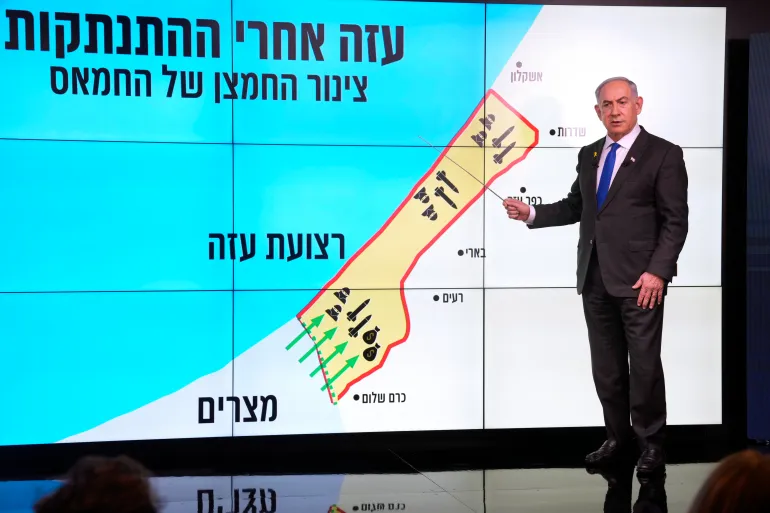
Netanyahu reiterated the importance of the corridor, stating, “The axis of evil needs the Philadelphi Corridor, and for that reason, we must control it
Philadelphi Corridor Becomes Sticking Point in Ceasefire Talks Amid Escalating Gaza Conflict
As Israel's war on Gaza intensifies and the Palestinian death toll nears 41,000, the Philadelphi Corridor has emerged as a critical issue in ceasefire negotiations. The narrow 14km (8.5-mile) strip of land bordering Egypt, which was initially expected to feature in a potential deal between Hamas and Israel, has now become a point of contention. In late May, both sides seemed close to an agreement that would see Israel withdraw from Gaza, release 90 captives held by armed groups, and free hundreds of Palestinians from Israeli prisons. However, Israeli Prime Minister Benjamin Netanyahu added several conditions at the last minute, including maintaining control of the Philadelphi Corridor.
On Monday, Netanyahu reiterated the importance of the corridor, stating, “The axis of evil needs the Philadelphi Corridor, and for that reason, we must control it. Hamas insists we not be there, and for that reason, I insist that we be there.”
Critics argue that this last-minute demand is more about prolonging the war than addressing genuine security concerns. Zachary Lockman, a Palestine-Israel expert at New York University, told Al Jazeera: “It’s basically an excuse that Netanyahu is using at this point. He’s looking for any pretext to avoid a hostage or ceasefire deal.”
Netanyahu's stance has drawn criticism, even within his own government. Defence Minister Yoav Gallant reportedly told ministers, “The fact that we prioritize the Philadelphi Corridor at the cost of the lives of hostages is a moral disgrace.”
While Netanyahu's decision has also sparked debate among military officials, Israeli army Chief of the General Staff Herzi Halevi warned that maintaining control of the corridor could unnecessarily endanger soldiers.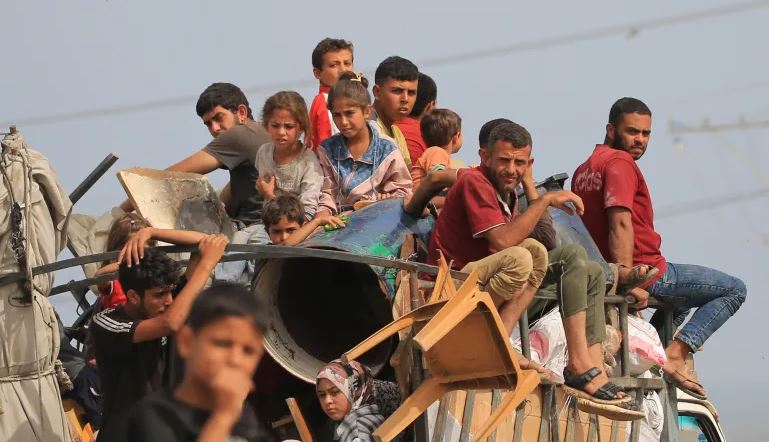
Palestinians flee Tal as-Sultan in Rafah in southern Gaza after renewed Israeli strikes on the city on May 28, 2024
Netanyahu's Political Strategy
Analysts believe that Netanyahu is attempting to prolong the conflict for political survival. His leadership has faced severe criticism since the October 7 Hamas attacks on southern Israel, during which over 1,000 people were killed, and 240 were taken hostage. As of now, about 90 captives are still held in Gaza.
Alon Pinkas, a former Israeli ambassador, told Al Jazeera: “Netanyahu is a total failure on national security and foreign policy, but he’s a good politician.”
Many analysts believe Netanyahu is stalling for time, hoping to maintain his political standing until the next election. Public opinion in Israel has fluctuated, with a July poll showing 72% of Israelis wanted Netanyahu to resign, though more recent polls indicate a slight uptick in support.
However, the recent discovery of the bodies of six Israeli captives in Gaza has reignited protests, with thousands of Israelis taking to the streets to denounce the government's handling of the war and hostage situation.
Egypt’s Role in the Conflict
While Hamas’s position on Israeli military control of the Philadelphi Corridor is clear, Egypt also strongly opposes such a move. As a mediator in the ceasefire negotiations, Egypt argues that an Israeli presence in the corridor would violate long-standing agreements between the two countries, dating back to the 1979 Camp David Accords.
Egypt has an additional concern: its population is largely pro-Palestinian, and an Israeli military presence on the Egyptian border could trigger public unrest. Still, despite its vocal opposition, Egypt has not threatened to break its peace treaty with Israel, likely due to the substantial economic and military aid it receives from the United States as a result of the Camp David agreement.
Egypt has also criticized Israel's actions in Gaza and the West Bank. In May, it joined South Africa’s genocide case against Israel at the International Court of Justice after Israel launched an offensive in Rafah, where much of Gaza's population had been displaced.
On Tuesday, Egypt slammed Netanyahu, accusing him of delaying ceasefire talks. However, despite Egypt's disapproval and mounting international pressure, Netanyahu has shown no signs of backing down from his demand to control the Philadelphi Corridor.
Source: Aljazeera



