Written By |
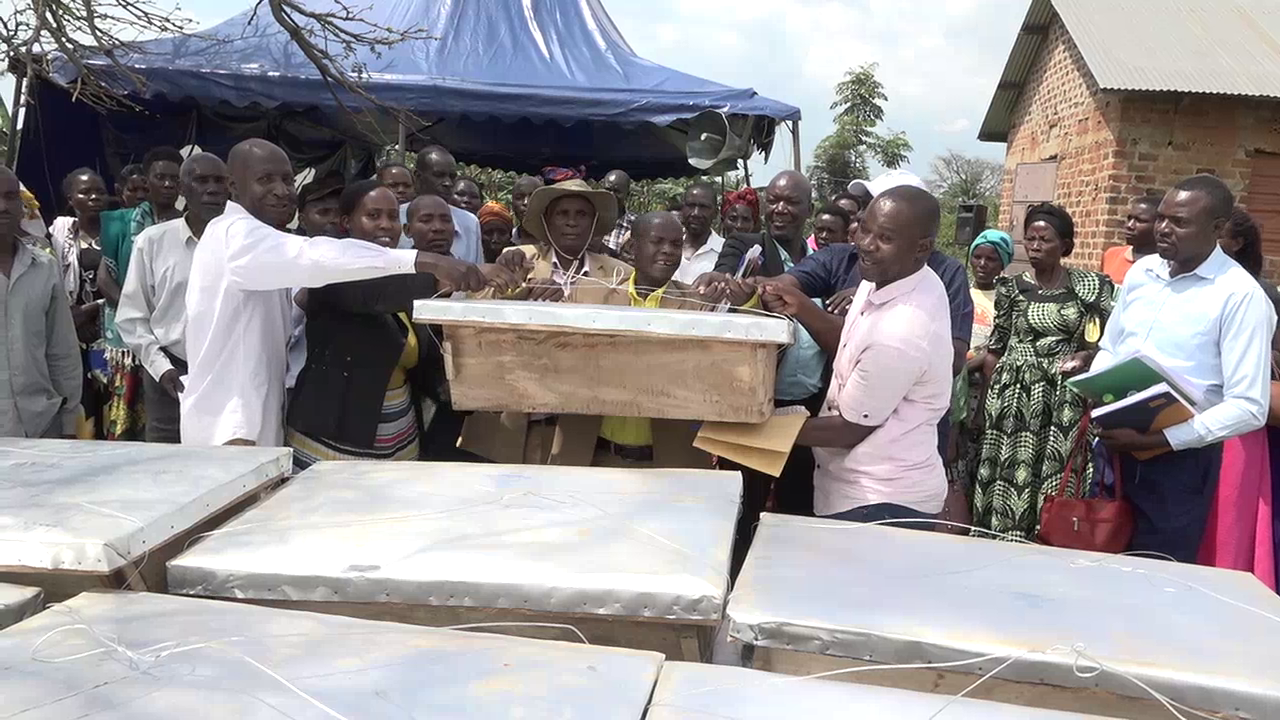
Carlo Kagaba Karumba (second left) from ministry of wate ... achers of river mpanga in Kamwenge district recently | Stuart Twinomujuni
Uganda is one country that has for long suffered the effects of human induced climate change which in many ways has affected the lives of millions of people.
The increased human population for arable land has resulted in widespread land fragmentation, considering the fact that every household struggles to have what to eat and as a result, nature has been destroyed and this has put many areas at great risk of suffering more the environmental Catastrophes.
Experts say, human activities such as charcoal burning, farming, mining and brick laying have immensely contributed to change in the climate, leading to loss of rainfall and extreme floods once it rains.
According to a voluntary review report on the implementation of 2030 agenda for sustainable development released by Uganda’s ministry of water and environment in 2020, Uganda is among the two countries with the highest deforestation rate globally, having had her forest cover decline from 24 percent in 1990 to 9 percent in 2018.
According to studies, if the current trend continues, there will be no forests left in Uganda in 40 years to come much as the country has traditionally been known for its thriving green landscapes during both dry and wet seasons.
Currently, many parts of Uganda are experiencing a scorching heat wave which experts attribute to continued environmental degradation.
Uganda’s temperatures are unusually high with 29°C as of today 12th March 2024, a situation that has left many people worried.
In Mbarara city, two thirds of people in a given area complain about hot weather during the day.
Jonan Namanya, a resident of Katete ward in Nyamitanga division, Mbarara city south told Torch Media Africa that it is hard for him to close windows at night because of sweating coupled with having difficulty in breathing.
"I have to keep the windows open to sleep comfortably because the condition indoors is less bearable these days’’.
Uganda’s rainy season typically begins in March but has been eagerly awaited by farmers and communities reliant on agriculture.
William Furaha, a resident of Kyaka II in Kyegegwa district is one of the farmers affected by loss of anticipated rains.
He says farmers in the area are keeping their eye on the sky waiting to plant their seedlings but they haven’t seen rain.
"We are afraid that we might plant and seeds get scorched in the soil, and this might make them fail to germinate’’. He laments
Despite efforts put by different organizations and the government to reduce the risks, Ugandans have continued to be confronted with prolonged periods of humid and suffocating weather.
On several occasions, the government has donated a number of assistance through agribusiness to enable people encroaching on wetlands to get alternative sources of income among them being bee keeping, piggery and goat farming. These and other initiatives have been seen to compel people to freely vacate wetlands without being forcefully evicted.
Carlo Kagaba Karumba a specialist in natural resource management at the ministry of water and environment says they have embarked on different measures including boundary openings on different wetlands, water points and forests to ensure no more encroachment is done on them.
"This level of heat is unprecedented for this time of the year. But the beauty with it is that we all understand what is causing this’’. She added that; "this should be at the back of our minds that protecting the environment is a responsibility that benefits all’’.
Nicholas Nuwamanya, a project officer at Nature Uganda, an organization spearheading restoration and protection of environment says there is enough evidence that climate change alone characterized by high temperatures, reduction of water bodies and vegetation cover has affected the health of humans, particularly those engaged in outdoor activities or working in non-air-conditioned environments.
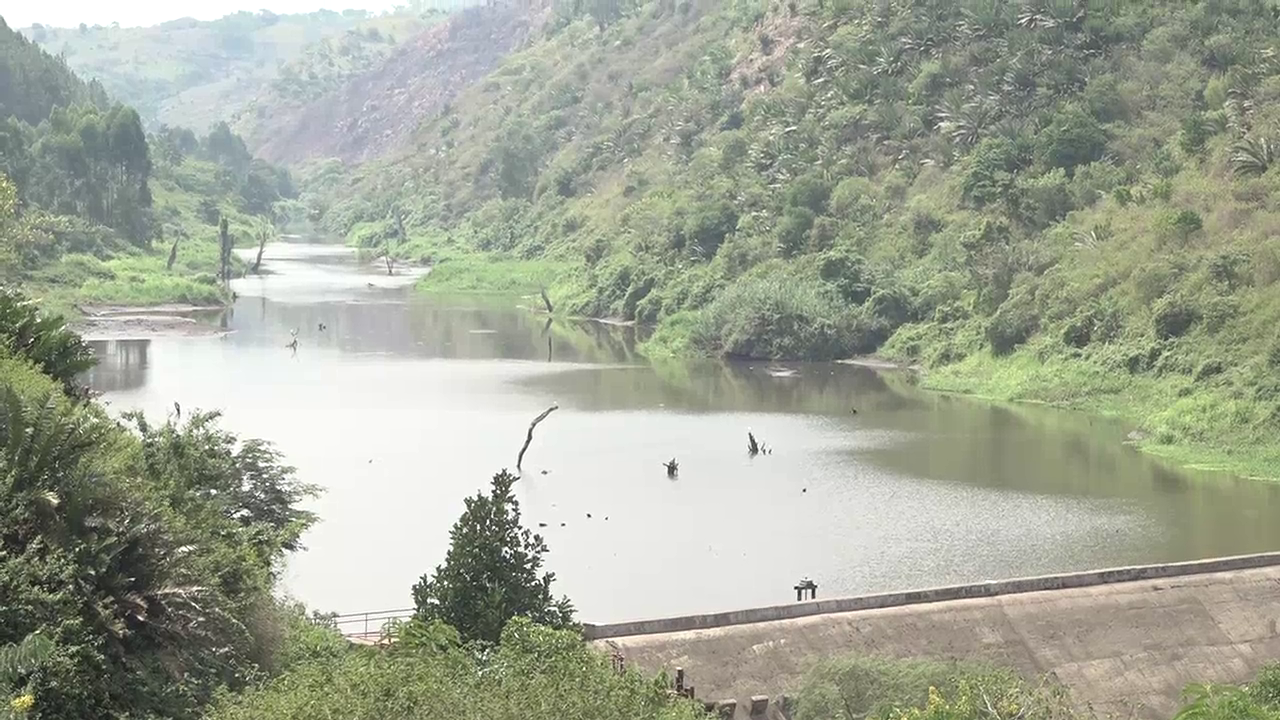
In western region and other areas such as Kampala and Masaka, temperatures have soared well above the seasonal average, with some areas recording daytime highs exceeding 35 degrees Celsius.
The unexpected weather phenomenon has drawn speculation among meteorologists and climate scientists.
While weather patterns can be inherently variable, several factors may be contributing to the current heat wave.
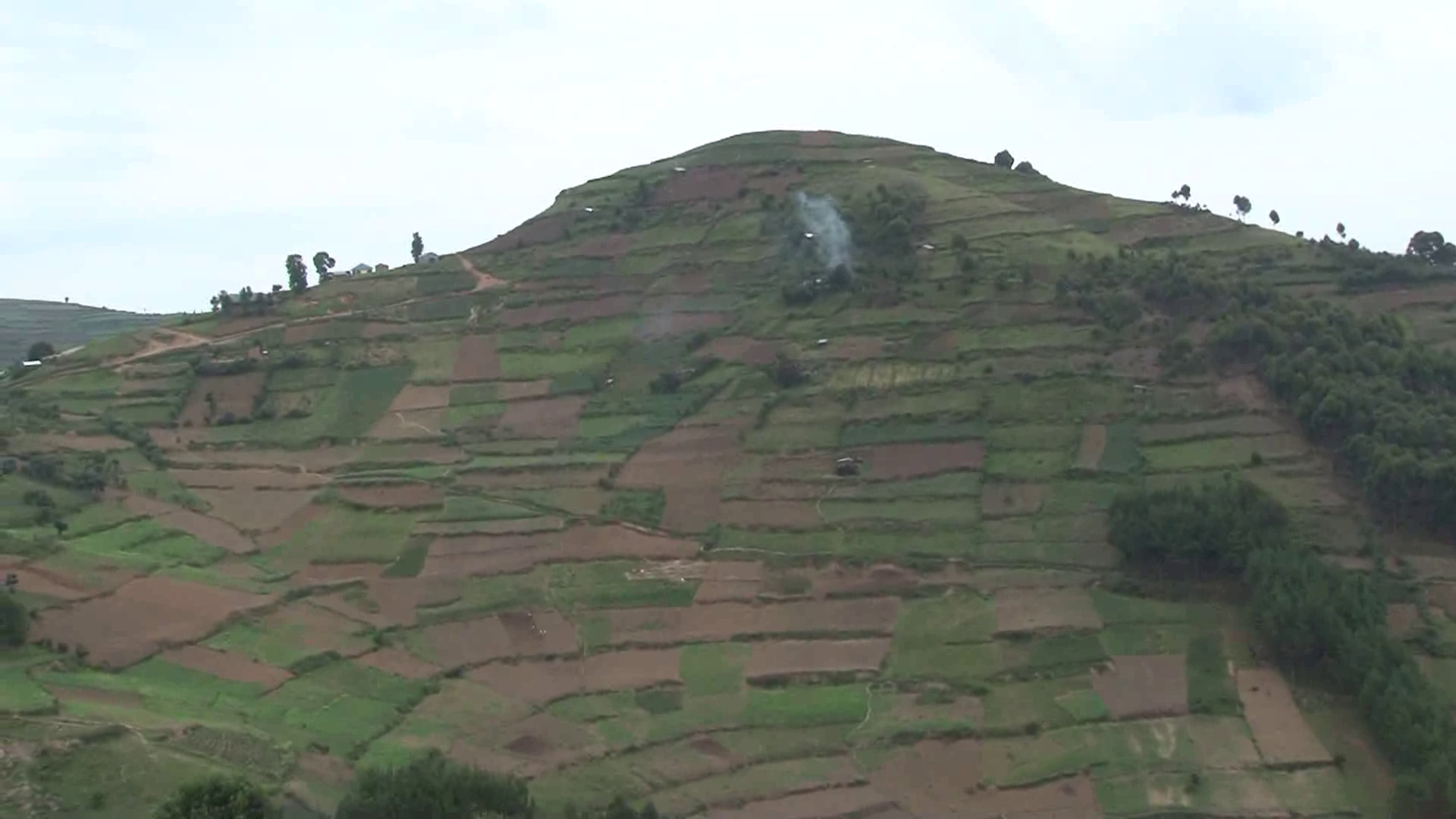
The pressure for food while using different farming practices has kept People neglectful of environmental conservation measures such as tree planting, since all the little land has to be utilized for growing of food and cash crops and rearing of animals.
Jaconius Musingwire, former manager of National Environmental Management Authority (NEMA) in charge of western region, asks residents to take precautions to stay safe during the heat wave, including staying hydrated, seeking shade, and avoiding prolonged exposure to the sun.
Vulnerable populations, such as the elderly and young children, are particularly at risk and are advised to take extra precautions.
According to the United States Environmental Protection Agency exposure to extreme heat can lead to heat stroke and dehydration, as well as cardiovascular, respiratory, and cerebrovascular disease.
In urban populations, Climate change is projected to increase their vulnerability to heat-related health illnesses resulting from air pollution.
Flora and Fauna
Increased heat waves, droughts and floods are already exceeding the plants’ and animals’ tolerance thresholds, driving mass mortalities in species such as trees and corals. These weather extremes are occurring simultaneously, causing cascading impacts that are increasingly difficult to manage.
According to Dr. Amanyire Moses, a veterinary officer with Mbarara city, the warming environment increases outbreak of tick borne diseases in livestock because they (ticks) develop resistance.
Dr.Amanyire says global warming makes vectors develop responsive mechanisms to new environmental conditions there by denaturing the life of the host by causing immune suppression, infections and death.
Recently, Kiruhura district veterinary office confirmed the death of close to three thousand cows in the last six months out of three hundred and eighty thousand heads of cattle in the district.
Dr. Grace Asiimwe, the district Veterinary officer for Kiruhura said the animals succumbed to tick borne related diseases resulting from resistance of ticks which veterinary drugs have failed to kill.
With resilience and resourcefulness, Ugandans are navigating through this unprecedented weather event, hopeful for the return of cooler temperatures and the much-needed rains of the rainy season.



