Written By |
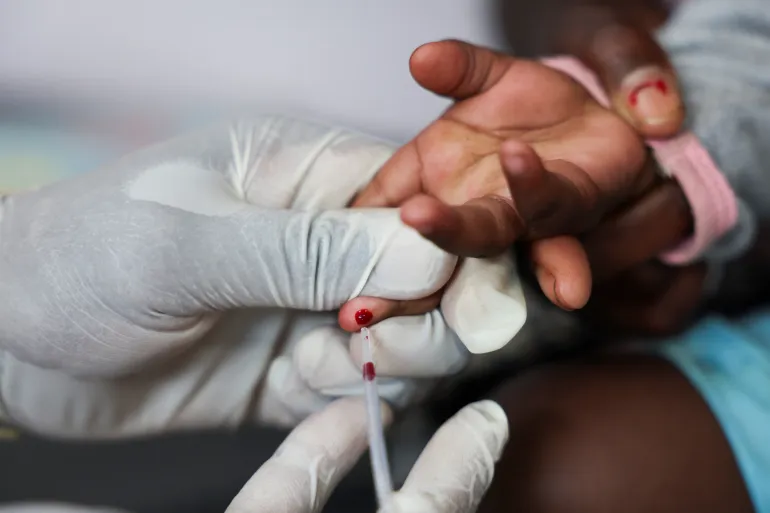
A nurse takes a blood sample from a child for an HIV test, at a clinic. [Photo: Reuters]
United Nations’ 2025 Global AIDS Update says Trump-era cuts may reverse ‘decades of progress’ on HIV if funding is not replaced
Unless urgently replaced, the suspension of foreign aid under former US President Donald Trump could reverse “decades of progress” in the fight against HIV/AIDS, the United Nations has warned in its latest annual report.
The decision to slash funding for the US President’s Emergency Plan for AIDS Relief (PEPFAR) could result in an additional six million HIV infections and four million more AIDS-related deaths by 2029, according to the 2025 Global AIDS Update released on Thursday.
“HIV programmes in low- and middle-income countries have been rocked by sudden, major financial disruptions that threaten to undo years of progress,” the UNAIDS report said.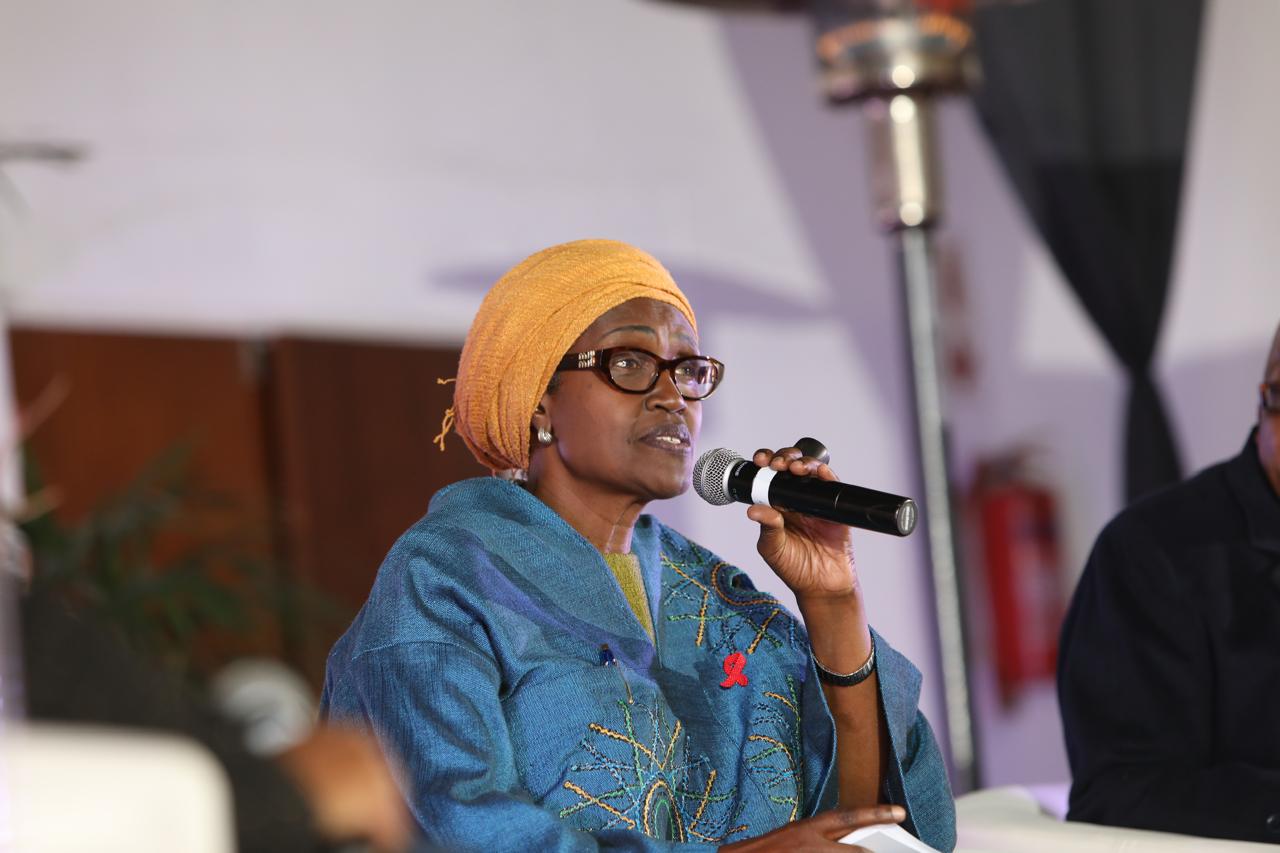
Winnie Byanyima, UNAIDS Director
It added that the situation is further strained by global instability: “Wars and conflict, widening economic inequalities, geopolitical shifts and unprecedented climate shocks are stoking instability and straining multilateral cooperation.”
The report highlights that while new HIV infections and AIDS-related deaths fell to their lowest levels in more than 30 years, the decline was still “not sufficient” to end AIDS as a public health threat by 2030.
An estimated 1.3 million people acquired HIV in 2024 — 40% fewer than in 2010 — with sub-Saharan Africa seeing a 56% decline. Five countries, mostly in sub-Saharan Africa, remain on track to achieve a 90% reduction in new infections by 2030 compared to 2010.
Despite this progress, the report warns that Trump’s cuts have had an outsized impact, given the US has historically been the largest donor of humanitarian aid worldwide.
“The sudden withdrawal of the single biggest contributor to the global HIV response disrupted treatment and prevention programmes around the world,” the report stated.
Although many countries still have supplies of life-saving antiretroviral drugs and community clinics for vulnerable groups — including gay men, sex workers, and adolescent girls — the funding shortfall has forced many facilities to shut down and prevention initiatives to stall.
UNAIDS Executive Director Winnie Byanyima said that “prevention was hit harder than treatment” by the funding cuts. “Key populations were the worst affected. They depended on tailored services run by community leaders — and those were the first to go,” she said.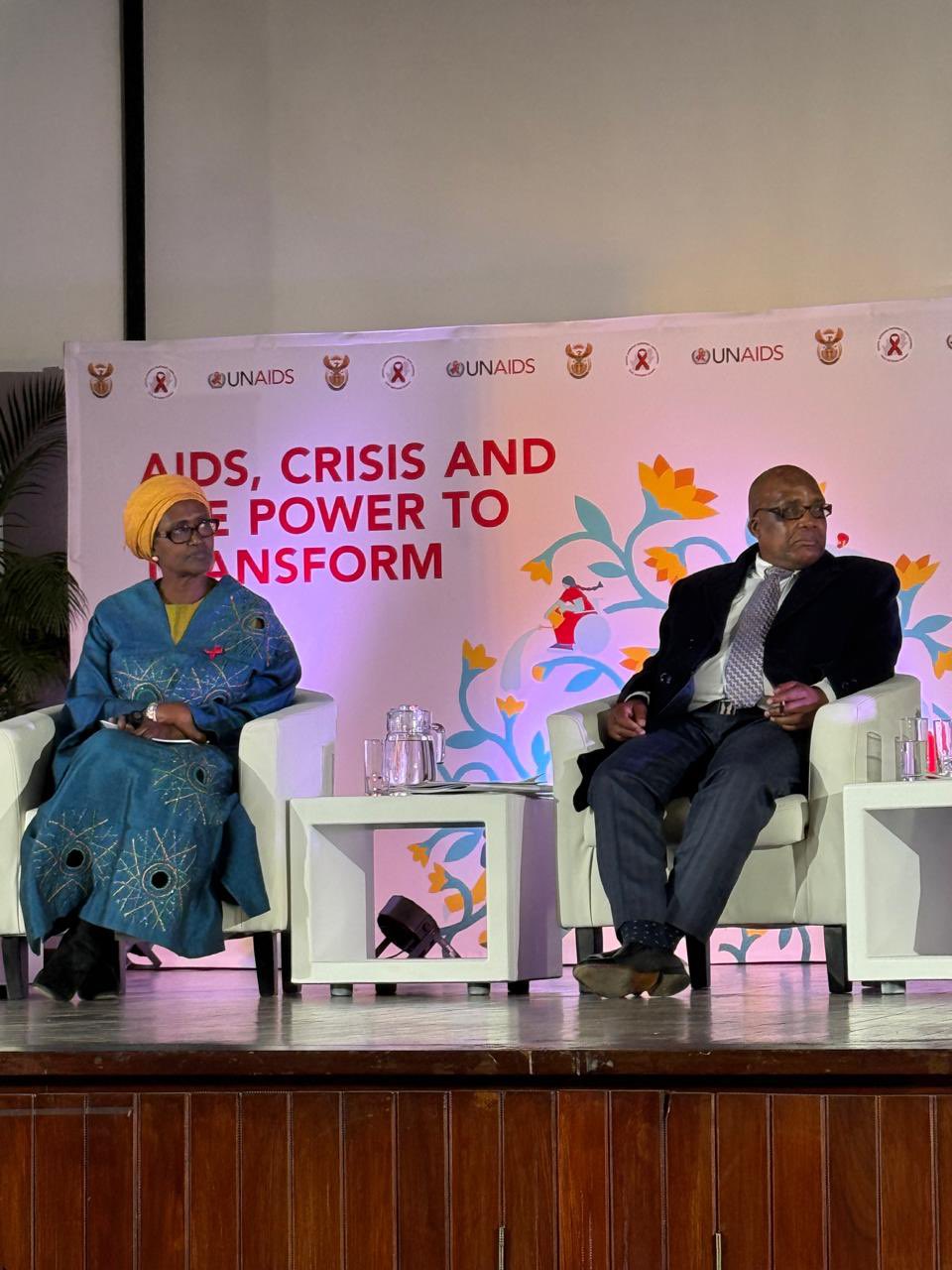
Winnie and Simphiwe Mabhele
Byanyima added that even before Trump’s decision to reduce support early in his administration, other major donors, particularly European countries, were already cutting back development assistance — often citing growing defence spending needs.
“Global health spending peaked and then started declining with the Ukraine war,” she said.
PEPFAR, launched in 2003 by then-President George W. Bush, remains the largest-ever commitment by any country to tackle a single disease. UNAIDS described the programme as a “lifeline” for nations with high HIV prevalence.
With less than five years to reach the UN’s goal of ending AIDS as a public health threat by 2030, UNAIDS is calling for urgent, sustained investments to prevent a devastating reversal of hard-won gains.
Source: News Agencies



