Written By | Our Reporter
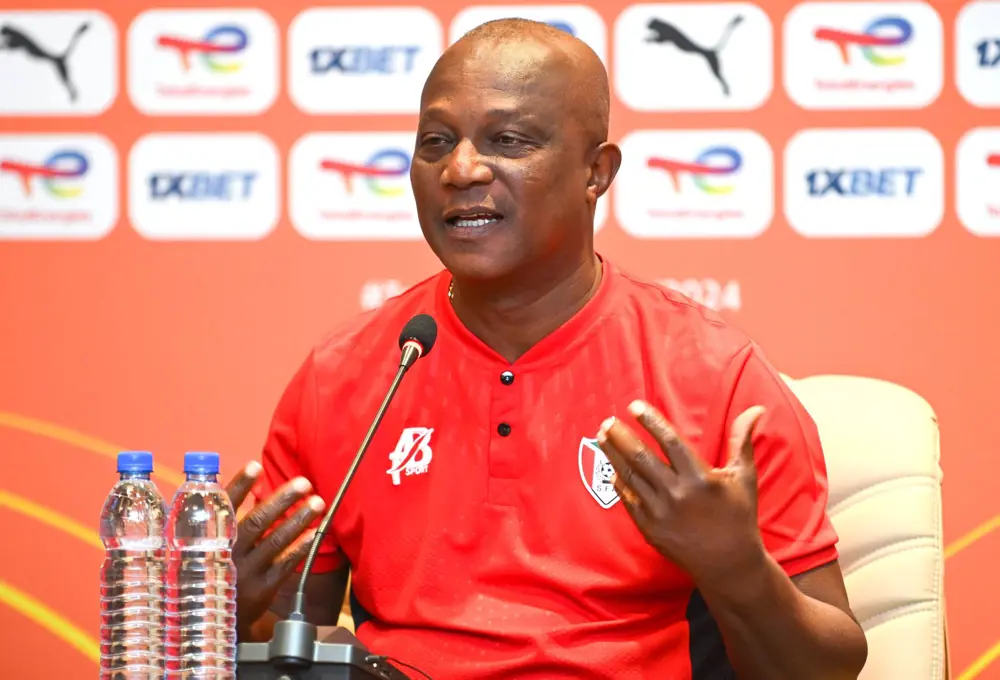
Sudan's Ghanaian James Kwesi Appiah
AFCON Quarter-finals – Starting Friday
Nigeria vs Algeria
Cameroon vs Morocco
Côte d’Ivoire vs Egypt
Mali vs Senegal
The 2025 Africa Cup of Nations (AFCON) has reached the quarter-final stage, with the continent’s elite teams having successfully negotiated the round of 16 and now eyeing this year’s title.
The remaining contenders are seven-time winners Egypt’s Pharaohs, five-time champions Cameroon’s Indomitable Lions, three-time winners Nigeria’s Super Eagles, Ivory Coast’s Elephants, two-time champions Algeria, 2021 winners Senegal, and 1976 champions and hosts Morocco. Mali remains the only team among the last eight yet to win the tournament.
Once again, no team from Sub-Saharan Africa has reached this stage, as all were eliminated earlier, mostly in the round of 16, paving the way for North and West African nations to dominate the quarter-finals.
It has become common practice for many African countries to entrust their national teams to foreign coaches. However, the question of whether this is the best approach has gained renewed attention, especially following the appointment of former midfielder Emerse Faé as head coach of Côte d’Ivoire after the dismissal of Frenchman Jean-Louis Gasset during the group stages of the 2023 AFCON, which the Ivorians hosted.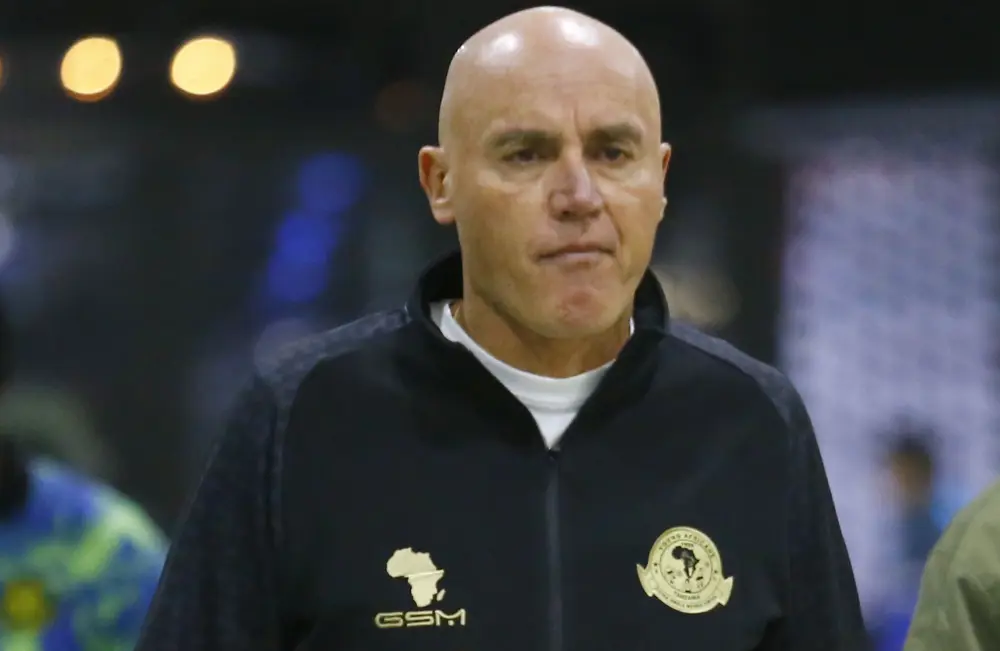
Tanzania's Miguel Gamondi
Faé guided a struggling Ivory Coast side—who had narrowly qualified for the round of 16 after a lacklustre group-stage performance—to continental glory, defeating fancied Nigeria 2–1 in a tense final to clinch their third AFCON title in front of a home crowd.
Since then, the Ivorian FA has retained faith in Faé, and the results continue to show. Ivory Coast has comfortably reached the quarter-finals and has already secured qualification for the 2026 FIFA World Cup to be hosted by Mexico, Canada, and the United States.
The Ivory Coast example, alongside Morocco and Senegal—countries whose national teams are led by indigenous coaches—has inspired many West and North African football associations to appoint homegrown tacticians, with encouraging results.
Of the last eight teams, only Algeria, coached by Vladimir Petković (a Bosnian-Croatian and naturalised Swiss national), and Mali, under Belgian Tom Saintfiet, have foreign coaches. The remaining teams are led by African coaches, most of whom are former national team stars. Nigeria’s Eric Sékou Chelle, although African, hails from Mali.
Cameroon is coached by former international David Pagou, Côte d’Ivoire by ex-midfielder Emerse Faé, and Egypt by former striker Hossam Hassan, the country’s all-time leading scorer, who played alongside his twin brother, Ibrahim Hassan. Senegal’s Pape Thiaw is also a former national team striker, while Morocco’s Walid Regragui is a former right-back who earned 44 caps between 2001 and 2009 and helped Morocco reach the AFCON final in 2004.
Regragui remains the only coach in Africa—and globally—to have led an African team to the semi-finals of the FIFA World Cup, a feat achieved at the 2022 World Cup, where Morocco lost 2–0 to France.
In contrast, teams from East and Central Africa and the COSAFA region exited early. CECAFA was represented by Uganda, Tanzania, and Sudan, while COSAFA had South Africa, Zambia, Angola, Mozambique, Comoros, Botswana, and Zimbabwe.
Among these 10 nations, only Zambia (coached by former international Moses Sichone) and Mozambique (under Chiquinho Conde) had former national stars at the helm. Sudan was coached by Ghanaian James Kwesi Appiah, Botswana by South African Morena Ramoreboli, while the rest relied on foreign coaches.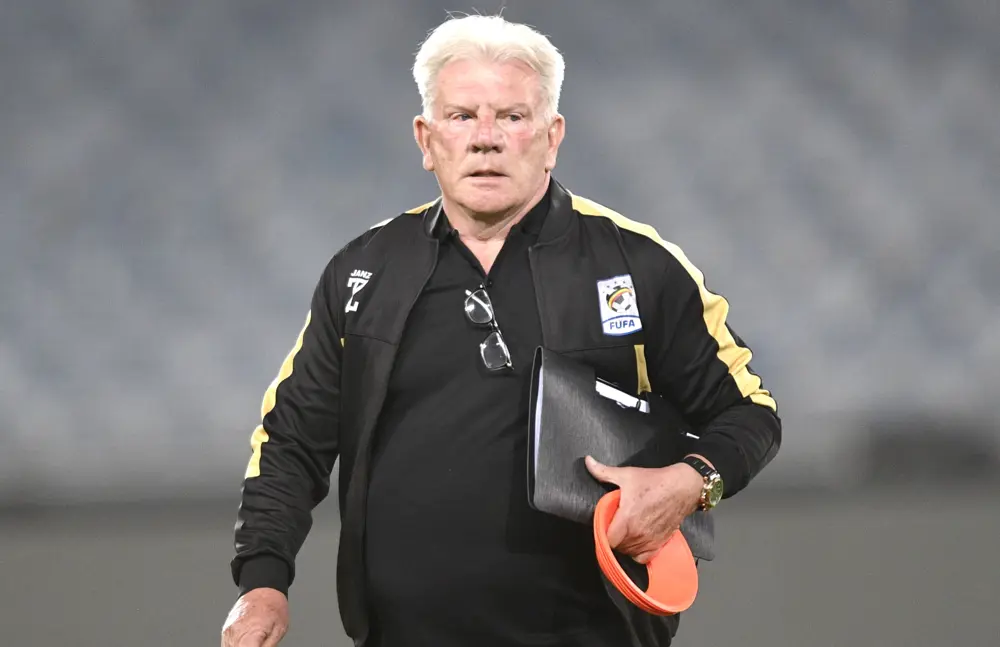
Uganda coach Paul Put
Uganda’s Belgian coach Paul Put managed just one point, Zimbabwe’s Romanian coach Marian Marinica and Comoros’ Frenchman Patrice Beaumelle failed to progress beyond the group stages. South Africa’s Belgian coach Hugo Broos reached the round of 16, alongside Tanzania under Argentine Miguel Gamondi and Sudan under Appiah.
From these outcomes, questions continue to reverberate across the continent about whether foreign coaches or locally groomed former stars are better suited to lead African national teams. Should an African coach once again lift the AFCON trophy this year, it may further strengthen the case for Sub-Saharan African nations—Uganda included—to place greater trust in homegrown managerial talent.
Torch Media Africa



