JACKSONVILLE/WASHINGTON
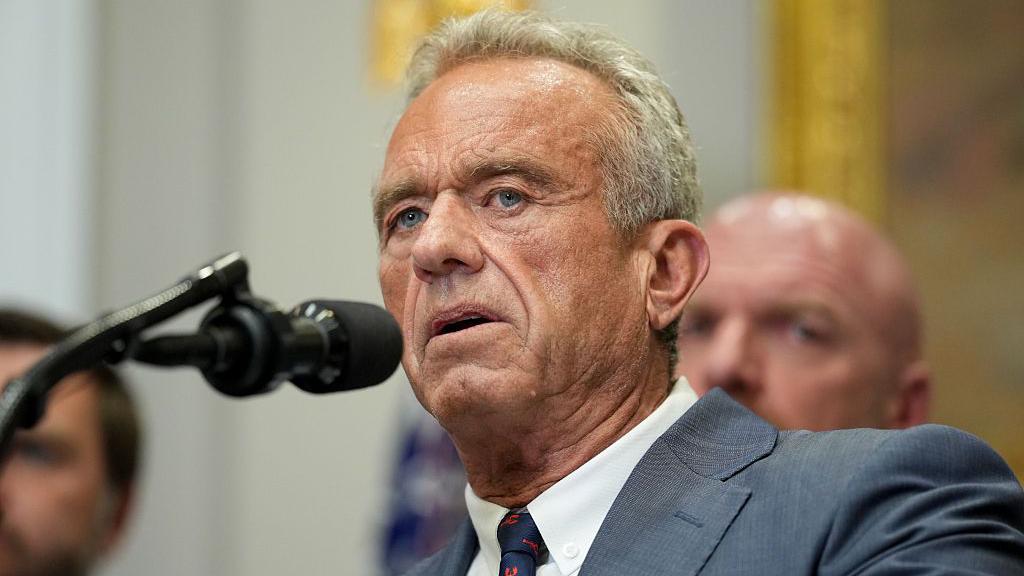
It was supposed to be dead on arrival. In February, federal regulators slammed the door on Moderna's bid to bring mRNA technology into the fight against seasonal flu. The FDA's refusal-to-file letter looked like the final word from an administration whose health secretary, Robert F. Kennedy Jr., had spent the better part of a year pulling apart mRNA vaccine infrastructure.
Then, two weeks later, the agency reversed itself.
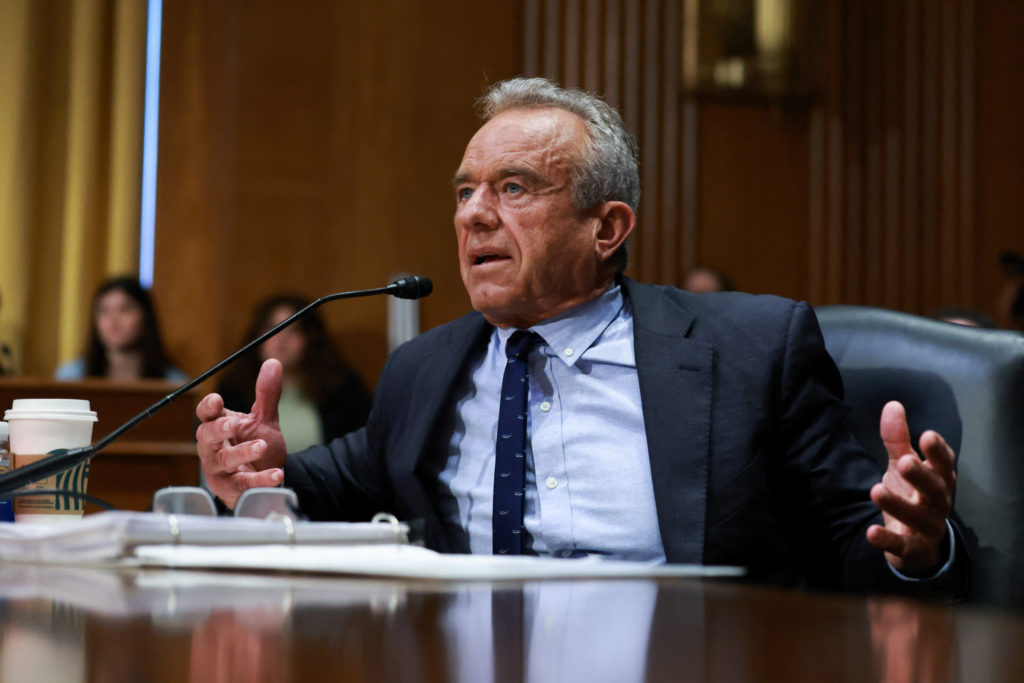
On Thursday, that reversal paid off in a way almost nobody expected. After six and a half hours of testimony, all nine members of the FDA's Vaccines and Related Biological Products Advisory Committee (VRBPAC) voted unanimously in favor of mFlusiva, Moderna's mRNA-based influenza vaccine, for adults 50 to 64. Then they voted again — 9-0 — to extend that endorsement to adults 65 and older. It was the committee's first vote on any new vaccine since May 2023.
"It's such a breath of fresh air, considering what we've gone through with Robert F. Kennedy Jr.," Dr. Paul Offit told reporters after the vote.
If the FDA finalizes its decision by August 5, mFlusiva would become the first mRNA-based seasonal influenza vaccine ever licensed in the United States.
The Strain-Matching Problem mRNA Was Built to Solve
Every February, the WHO convenes a committee to guess which flu strains will dominate the following winter. Manufacturers then spend roughly six months growing that guess inside chicken eggs — a process essentially unchanged since the 1940s. If the guess is wrong, the vaccine's effectiveness can collapse to 10-20%.
mRNA technology compresses that six-month window to two or three months — the same timeline Moderna used for COVID boosters as variants emerged. "The proposed mRNA vaccine could shorten the window of time it takes to get a vaccine that targets a specific strain of flu from about six months now to two-to-three months," Dr. Evan Anderson, Moderna's vice president of epidemiology, told the committee.
The Numbers That Won Over the Skeptics
Data, not politics, ultimately carried the day. In Moderna's Phase 3 trial of 40,805 adults across 11 countries, the mRNA shot showed a 26.6% higher relative vaccine efficacy compared with the standard flu shot in adults 50 and older. Among those 65 and up — a population where flu shots have historically underperformed — the mRNA vaccine still delivered a 27.4% relative efficacy advantage.
Dr. Gauri Raval of the FDA told the committee the data suggested the Moderna shot "may offer greater efficacy than the standard dose comparator in preventing more severe influenza-associated illnesses."
Dr. Anna Durbin of Johns Hopkins was emphatic about the rigor behind those numbers. "There were no shortcuts taken," she told NPR. "There was a full efficacy evaluation done per standard FDA guidance."
A separate analysis of blood samples found the mRNA shot produced a longer-lasting antibody response that recognized a broader range of flu strains — a possible explanation for why the new shot outperforms old-school flu vaccines.
Why This Vote Happened in a Political Minefield
None of this unfolded in a vacuum. Kennedy pulled back nearly $500 million in federal contracts supporting 22 mRNA vaccine development projects in August 2025. He has repeatedly amplified unfounded claims about mRNA shots, including the false notion that the technology alters human DNA.
Dr. Jesse Goodman, former director of the FDA's Center for Biologics Evaluation and Research, didn't mince words: "These things are not possible [and] disproven."
Durbin pushed back hard on the politicized narrative. More than 6 billion doses of mRNA vaccines have been administered globally since 2020, with what she called an "incredibly safe safety profile" and "not a risk of DNA integration."
"The mRNA platform has really been a game changer for vaccines," Durbin said. "We have to do a much, much better job in educating the public around that, but I have the highest confidence in the vaccine."
The road to Thursday's vote was anything but smooth. Dr. Vinay Prasad issued the refusal-to-file decision in February — only to reverse it two weeks later under significant pressure. Offit called the original rejection nonsensical on its face.
What Flu Is Actually Doing to Americans Right Now
Dr. Lisa Grohskopf of the CDC told the committee that the 2025–2026 flu season produced at least 32 million illnesses, 390,000 hospitalizations, and 24,000 deaths in the United States. Roughly 85% of people eligible for vaccination were not fully vaccinated last season.
What This Means for You
If you're 50 or older, mFlusiva's arrival next flu season could mean a meaningfully better-matched, longer-lasting shield against a virus that kills tens of thousands of Americans annually. The committee's vote is a recommendation, not final approval; the FDA still has until August 5 to make its formal call.
There's a murkier layer: even if the FDA approves mFlusiva, the CDC's separate vaccine advisory panel (ACIP) ultimately decides who is formally recommended to get it — and that panel was gutted and partially refilled by Kennedy last year. Durbin said it remains unclear how recommendations for the fall season will be made.
The Bottom Line
A technology that became a political flashpoint just delivered a unanimous scientific verdict. Whether that verdict survives the next few months of Washington's vaccine politics is the open question hanging over next winter's flu season.
Published By | Features Editor