NEW YORK
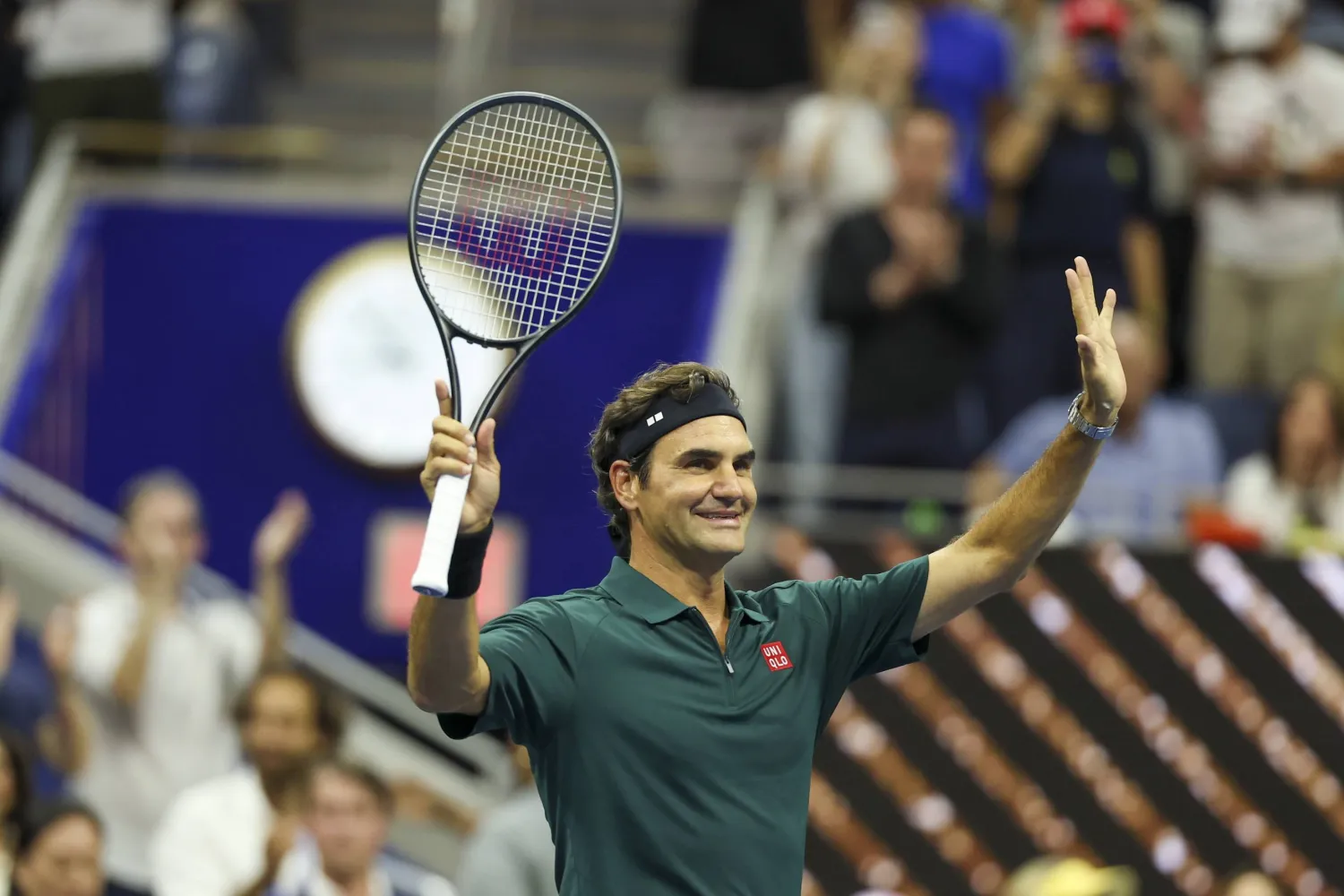
The last time Roger Federer played a competitive point in a Grand Slam, it was a quarterfinal loss at Wimbledon in 2021. The last time he played on the blue hard courts of Arthur Ashe Stadium, Donald Trump was in his first term, TikTok dances were still a novelty, and Federer himself had five US Open trophies to his name, won in a run so dominant — 2004 through 2008 — that an entire generation of tennis fans grew up assuming he'd simply always be there in September, gliding around Flushing Meadows like he owned the place.
Tonight, for one night only, he does again.
Federer, now 45, takes the court at Arthur Ashe Stadium during the US Open's Fan Week for an exhibition unlike anything the tournament has staged in years: a one-set singles match against his old rival Andy Roddick, followed by a doubles set that pairs Federer with four-time US Open champion John McEnroe against Roddick and Andre Agassi. It is, by any measure, one of the most star-studded nights of "legends tennis" the sport has produced — four names that combine for nine US Open singles titles and a rivalry-filled history that shaped two decades of the men's game.
And Federer, the man who made looking untroubled into an aesthetic, says he is nervous.
The Return He Said Wouldn't Happen
Federer has been careful, in the run-up to Tuesday night, to draw a hard line between this appearance and any kind of comeback. He hasn't played a full singles set in roughly five years — that Wimbledon loss to Hubert Hurkacz remains his last real Grand Slam match — and he has repeatedly told reporters this week that Arthur Ashe Stadium will not become a regular stop on his calendar again.
"I don't know how it's going to go tomorrow," Federer said ahead of the exhibition. "So there is a lot of uncertainty but a lot of happiness that I can return to Arthur Ashe, a place where I have had so many beautiful moments."
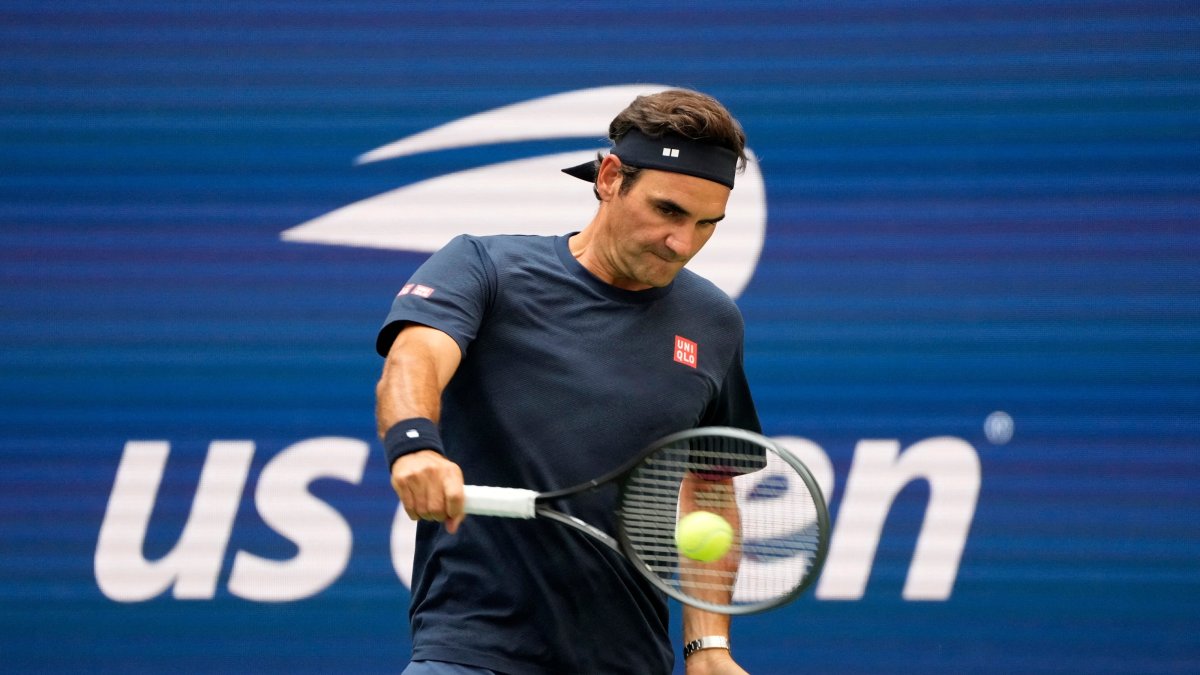
That mix — uncertainty shot through with sentiment — is very on-brand for a player whose entire identity was built on making the impossible look inevitable. For most of his career, Federer's game was defined by an almost eerie lack of visible effort: the single-handed backhand unfurling like a signature, the footwork that seemed to anticipate the ball before it left the racket, the total absence of grunting or theater that other champions leaned on. To hear him admit nerves — real, plain, un-ironic nerves — about a one-set exhibition is itself part of the story. It's a reminder that the players fans mythologize are still, underneath it, human beings whose bodies have aged out of the sport they built their lives around.
Old Rivals, New Stakes (Sort Of)
The matchup with Roddick carries its own history. The two men played 24 times across their careers, with Federer winning 21 of those meetings — including finals at both Wimbledon and the US Open that effectively defined Roddick's career-long frustration of running into peak Federer at the worst possible moments. Roddick, now a broadcaster and one of the more candid ex-pros on tour, has spent years joking publicly about being "the greatest player of his era not named Roger Federer." Tuesday night gives him one more shot, however inconsequential on paper, at the man who beat him more than anyone else.
The doubles set adds another layer of nostalgia: McEnroe, whose combustible brilliance in the 1980s made him the sport's most compelling antihero, teaming with the sport's most serene champion against Roddick and Agassi, another former World No. 1 whose own reinvention — from teenage rebel to elder statesman — mirrors the arc tennis fans have watched play out again and again. Format-wise, the singles set is set to be decided by a single deciding point if it reaches a tiebreak scenario, keeping the whole night brisk, made for television, and low-risk for four sets of aging knees.
Why the US Open Wanted This
Fan Week has become an increasingly important piece of the US Open's business model — a chance for the tournament to sell tickets, sponsorships and broadcast windows around an event that used to be purely about qualifying matches and practice courts. Bringing back four of the sport's most recognizable faces, in the same building where three of them won multiple titles, is as much a savvy piece of programming as it is a sentimental gesture. It also arrives at a moment when men's tennis is in the middle of a genuine changing of the guard, with Carlos Alcaraz and Jannik Sinner (who withdrew from this year's tournament with a knee injury) representing the sport's next chapter. Federer's night at Ashe functions almost like a bridge between eras — a reminder of where the sport has been just as fans turn their attention to where it's going.
What This Means for Fans
You don't need to have watched a single point of the 2000s golden era of men's tennis to feel the pull of Tuesday night's exhibition. It's part of a broader trend of legacy sports events — reunion tours, in effect — that let fans see athletes they grew up watching one more time, on their own terms, without the grinding stakes of actual competition. For tennis specifically, it's a rare chance to watch four Hall of Fame-caliber careers share a single court, something scheduling and rivalries never allowed during their primes. Tickets and streaming access for Fan Week events have historically been more accessible than main-draw sessions, making this one of the more attainable "bucket list" tennis nights of the year for casual fans priced out of championship weekend.
The Bigger Picture
Federer's Tuesday night appearance won't move the ATP rankings or add to his trophy case. But it says something about how tennis, more than most sports, has learned to monetize and celebrate its own nostalgia — turning retired champions into recurring characters rather than fading names in a record book. For a sport searching for stars to fill the space Federer, Rafael Nadal and Serena Williams have left behind, nights like this serve a dual purpose: they remind longtime fans why they fell in love with the game, and they hand a new generation a glimpse of what all the fuss was about.
Federer himself seems to understand the assignment. Not a comeback. Not a farewell redux. Just, as he put it, "a lot of happiness" — one more night under the lights at the building where he built a legend.
Published By | Sports Editor