Written By |
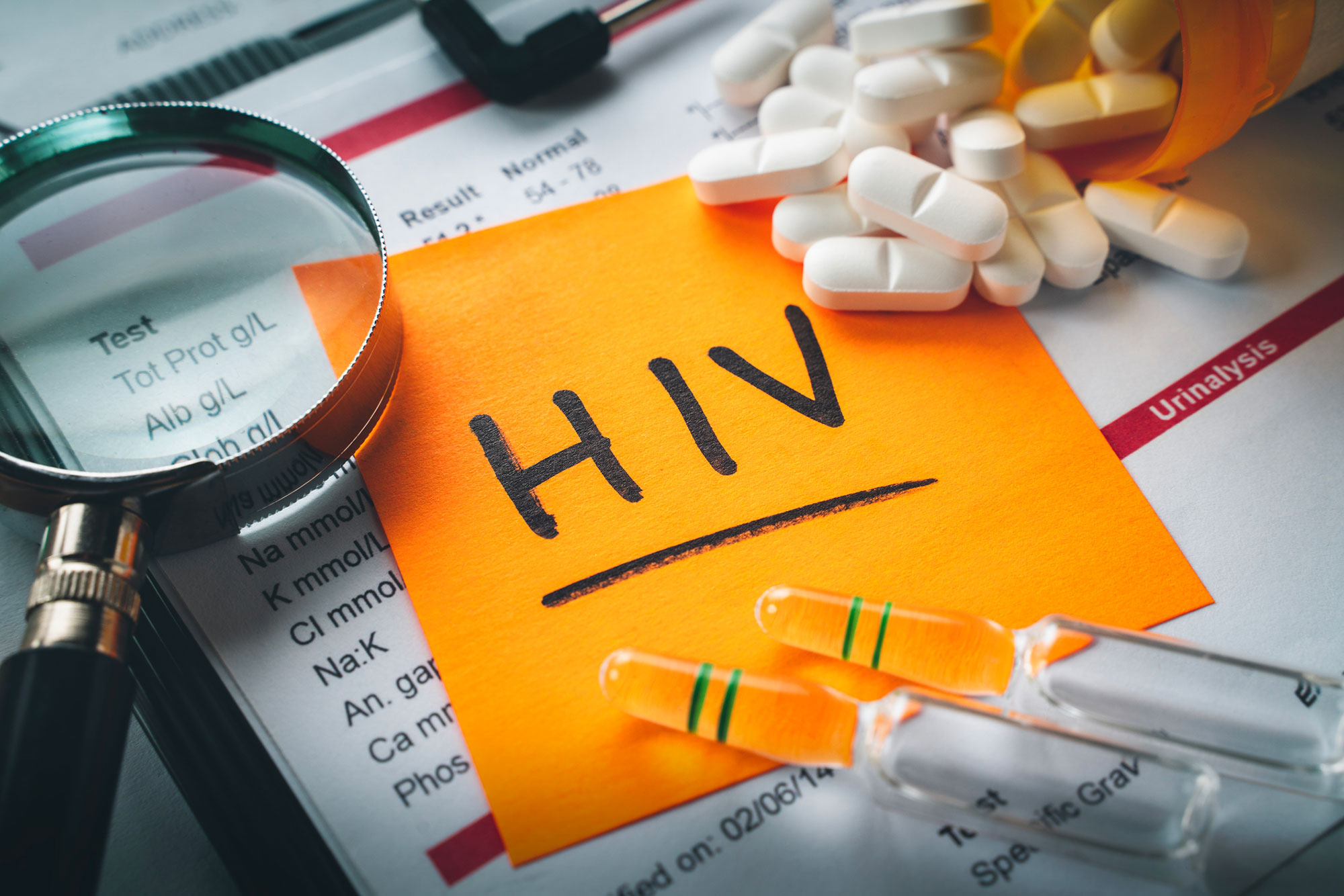
Once they receive this gene therapy, they will stop taking ARVs to see if they remain protected
By Our Reporter
Uganda is set to begin clinical trials for an HIV cure using gene therapy, Dr. Cissy Kityo, Executive Director of the Joint Clinical Research Centre (JCRC), has announced.
Gene therapy, an advanced medical technique, treats or prevents diseases by modifying genes within a person's cells, targeting the root cause of genetic disorders rather than just managing symptoms. According to Dr. Lois Bayiga, a research scientist at JCRC, the newly introduced gene will help infected cells clear HIV more efficiently while preventing new infections.
“We are looking at gene therapy as a possible one-time cure for HIV,” said Dr. Kityo. This trial will be the first of its kind in Africa and will begin as soon as funds are secured. Until now, gene therapy trials for HIV have taken place in Western countries, with a resident of London among the six individuals globally cured of HIV through this method. Dr. Kityo is optimistic that the next patient cured with gene therapy could come from Uganda.
Dr. Kityo stressed the need for a permanent solution, noting that lifelong antiretroviral (ARV) therapy can be both costly and exhausting for patients. Gene therapy is already gaining momentum in Western nations, with products approved since 2017. However, Africa, which has the highest burden of HIV infections and the most genetically diverse populations, has not yet seen such research.
“We do not want to be left behind, especially as the bulk of the HIV burden lies in Sub-Saharan Africa, including Uganda,” Dr. Kityo said at the opening of Uganda’s first cell and gene therapy symposium, held at Golden Tulip Hotel in Kampala.
Who will benefit
Dr. Bayiga shared that trial participants will be HIV-positive individuals who have fully suppressed the virus with ARVs. “Once they receive this gene therapy, they will stop taking ARVs to see if they remain protected,” she explained. Participants will be selected from various patient cohorts involved in antiretroviral therapy trials, though pregnant women and those engaged in high-risk behaviors will not be eligible.
Uganda's Health Minister, Dr. Jane Ruth Aceng, expressed optimism about gene therapy, stating that it offers new hope for patients. She also confirmed the government’s willingness to provide financial support for JCRC’s research and awaits a dedicated budget.
Preparations for Gene Therapy Trials
In 2020, Dr. Kityo and Prof. Jane Adair, based in the US, established a consortium under the Global Gene Therapy Initiative, which includes over 100 researchers, patient advocates, and policymakers who meet weekly to discuss gene therapy developments. Uganda and India have been identified as the initial countries to conduct gene therapy trials, with India’s trials already underway.
The Uganda National Drug Authority (NDA) has developed guidelines for gene therapy clinical trials, according to Dr. Hellen Bwomire Ndagije, signaling readiness to begin.
Expert opinions
Dr. Joseph Oceng, a researcher and counselor at Makerere College of Health Sciences, emphasized the importance of genetic counseling for patients considering gene therapy. Prof. Samuel Okware, a pioneer in HIV research and control in Sub-Saharan Africa, encouraged researchers to consider timelines, given the global goal to eliminate HIV by 2030.
Prof. Okware also highlighted the need to make gene therapy affordable, noting that the current cost exceeds $400,000 (about UGX 1.5 billion), which is unrealistic for most Ugandans.
Dr. Eliot Raizes from the US Centers for Disease Control and Prevention (CDC) noted that gene therapy, along with other biomedical prevention and treatment methods, could eventually bring the epidemic under control.
HIV prevalence in Uganda
The national HIV prevalence among adults (ages 15-49) in Uganda stands at 5.1%, a decrease from 5.8% in 2020. Prevalence among men is 3.6%, while women have a rate of 6.6%. New HIV infections have fallen from 52,000 in 2022 to 38,000, and AIDS-related deaths have declined from 21,000 in 2022 to 20,000 in 2023.
Torch Media Africa



