Written By |
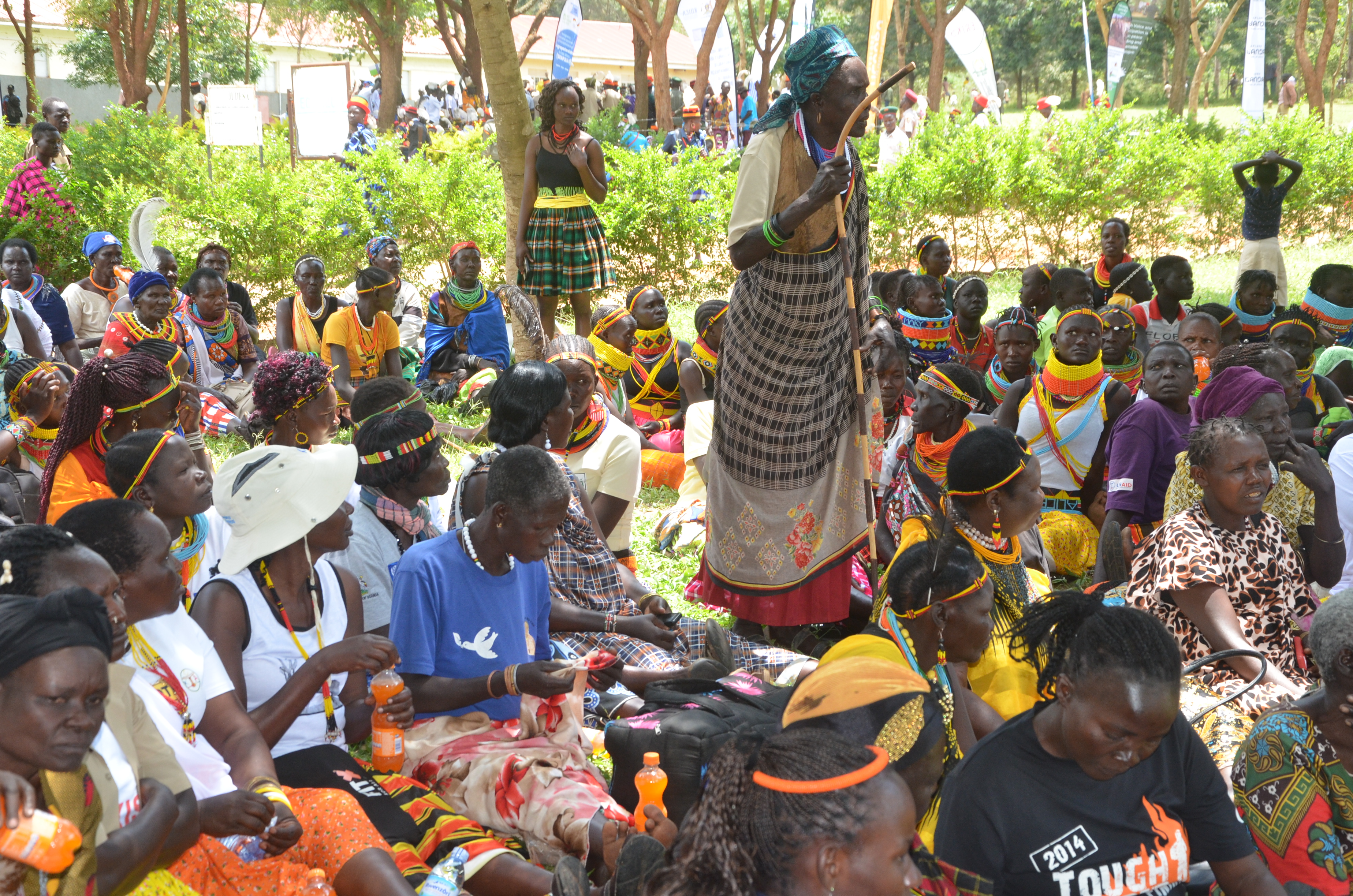
Empowering voices: Regina Nacugae from Moroto Peace Forum addresses the crowd at the Women's Dialogue session, Karamoja Cultural Week, Karenga TC
KARAMOJA– Defying a long history of conflict and cattle theft, Karamoja's ethnic groups have achieved an extraordinary consensus, paving the way for a brighter, more harmonious future.
This unity was on full display during a recent week-long cultural festival held in Napeikori village, Karenga District. Among the groups represented were the Bokora from Napak, the Matheniko from Moroto, the Pian from Nabilatuk, and the Upe from Amudat. Also present were the Dodoth from Kaabong, the Ethur from Abim, the Jie from Kotido, and the host Napore-Nyangia from Karenga, along with the Tepeth and Ik minorities from the Karamoja subregion.
Reflecting on the region's troubled history, Paul Abul, a member of the Karamoja Elders Association, spoke of the hardships the area has endured. “The region has suffered years of violence and cattle rustling, leaving it in dire poverty,” Abul said. With peace slowly returning, he believes the time for reconciliation has arrived, adding, “We need to focus on social revival, a fabric that has been missing in Karamoja for decades.”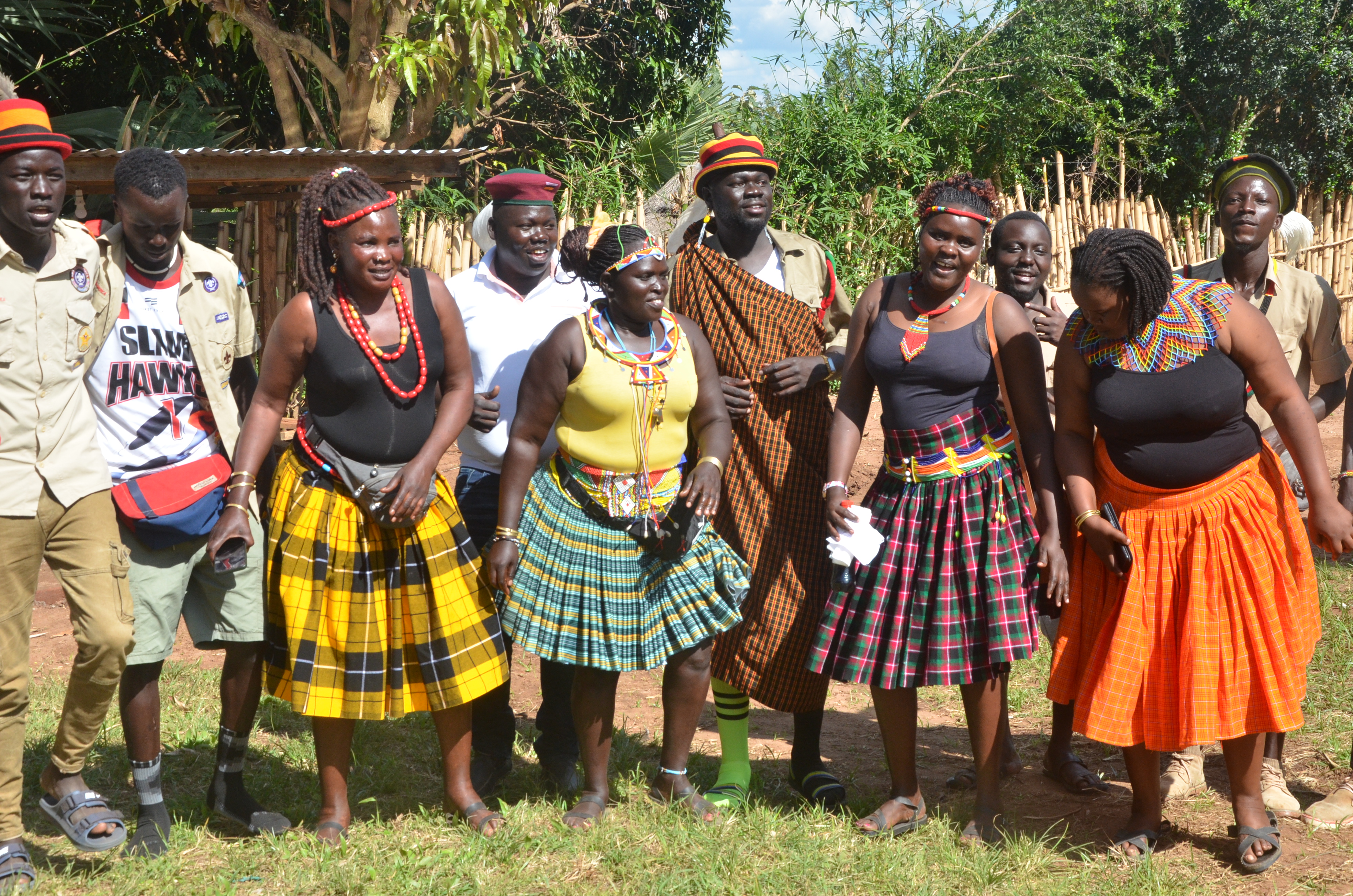
Young people from Kotido pose for a group photo during a lively dance performance
Peter Lokol from Napak suggested that intermarriages could be a key to fostering unity, just as they had in the past. “We’ve been practicing inbreeding within our clans, limiting marriage to within the same area,” he noted. Lokol also emphasized the need to restore the honor of women, who are often the primary providers in households. “Women need to regain their honor as mothers of the clan,” he said.
Charles Kopoth from Nabilatuk District urged the Karimojong to support cultural initiatives aimed at revitalizing the subregion. “We must strengthen our togetherness to sustain peace,” Kopoth said, describing the cultural festival as a platform for reviving the different ethnicities of Karamoja. “This is a collective effort for the entire subregion to become dynamic.”
Despite the optimism, Simon Nangiro, chairperson of the Karamoja Elders Association, acknowledged the challenges in achieving unity among the region's diverse ethnic groups. “We understand issues differently, but these cultural events offer a chance for social revival,” he said, calling on local governments to take the lead in promoting this cause.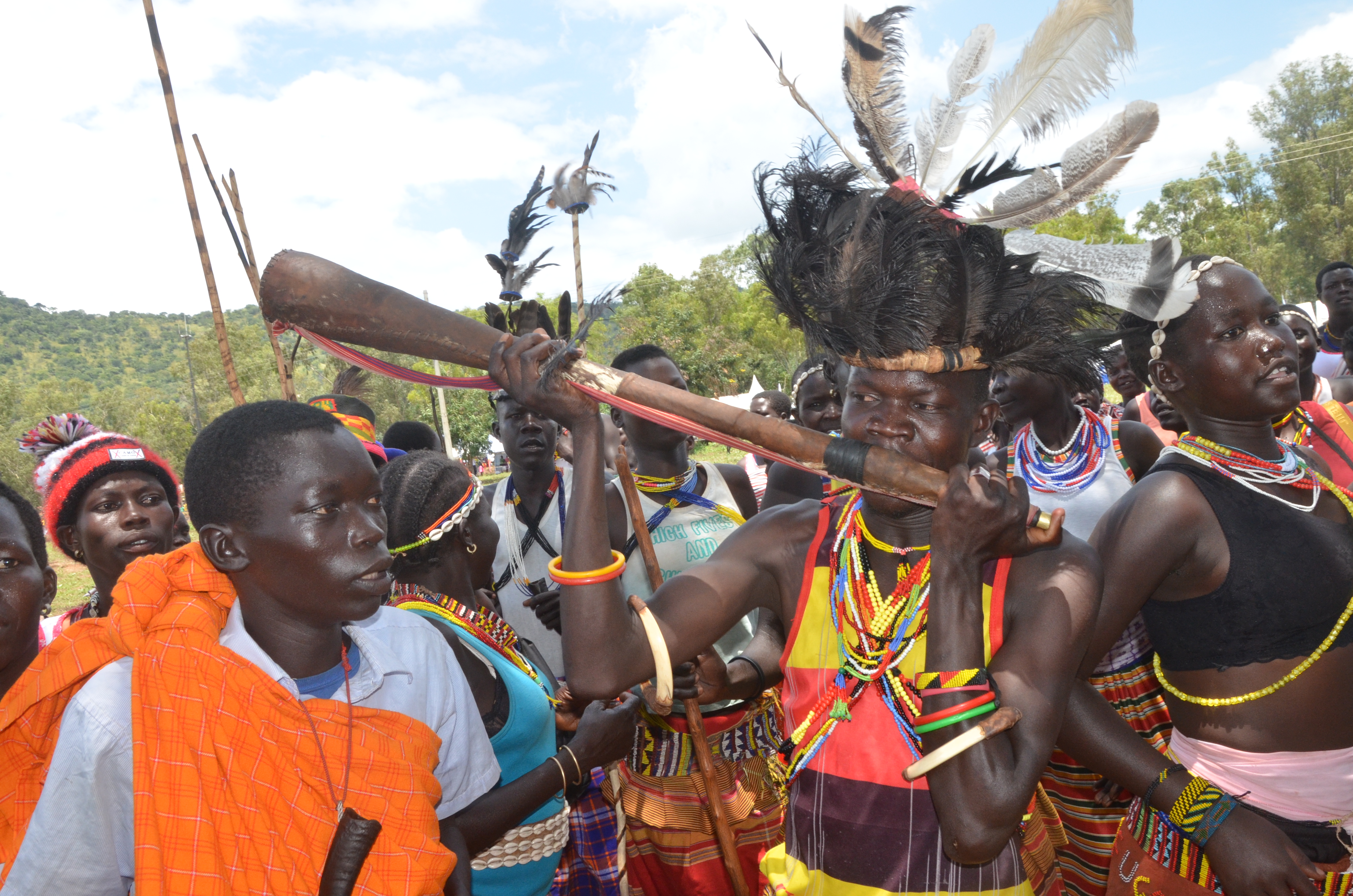
A local participant, unidentified, blows a traditional horn during the vibrant Karamoja Cultural Week celebrations in Karenga
Felix Lokyale, Chairperson of Karenga District, noted the efforts being made to bring people from various backgrounds and cultures together. “We share some common cultural traits in the sub-region, and internal exposure visits could help accelerate social revival,” Lokyale suggested. He emphasized the importance of recognizing and respecting cultural differences as the foundation for building trust and unity.
Lokyale also praised the role of the cultural week, stating, “Our traditions, dances, and customs are not just relics of the past but the foundation on which we can build a better future.” He urged the Karimojong to take pride in their heritage and expressed confidence in Karamoja’s potential for growth.
In a message to the people of Karamoja, President Yoweri Kaguta Museveni encouraged the region to fully embrace peace. He stressed the importance of addressing the issue of remaining firearms among the Pokot and Turkana and warned that the army would soon secure the borders to ensure lasting peace in the region.
Torch Media Africa



