Written By |

Obstetrician-gynecologist and surgical team operate on woman with fistula at Mbarara Regional Referral Hospital
By Jovita Hasto
MBARARA: Mbarara University of Science and Technology (MUST) has launched a specialized training program in urogynaecology aimed at improving the quality of care for women suffering from complex reproductive health conditions such as uterine prolapse, urinary incontinence, congenital abnormalities, and obstetric fistula.
The two-year program, in partnership with Mbarara Regional Referral Hospital (MRRH), will train four gynecologists to become super-specialized urogynaecologists. These specialists will provide critical services to women affected by childbirth-related injuries, many of whom have limited access to quality medical care.
According to urogynaecologists, obstetric fistula remains one of the most common and devastating conditions, affecting an estimated 200,000 women in Uganda. The condition, often caused by prolonged or obstructed labor, results in an abnormal opening between the birth canal and the bladder or rectum, leading to continuous leakage of urine or stool.
Dr. Rony Bahatungire, Commissioner for Clinical Services at the Ministry of Health, said the program is a significant step toward addressing the critical shortage of specialized care. “Many women suffer silently for years due to a lack of skilled surgeons. It can take up to five years to train one qualified surgeon capable of repairing such conditions,” he said.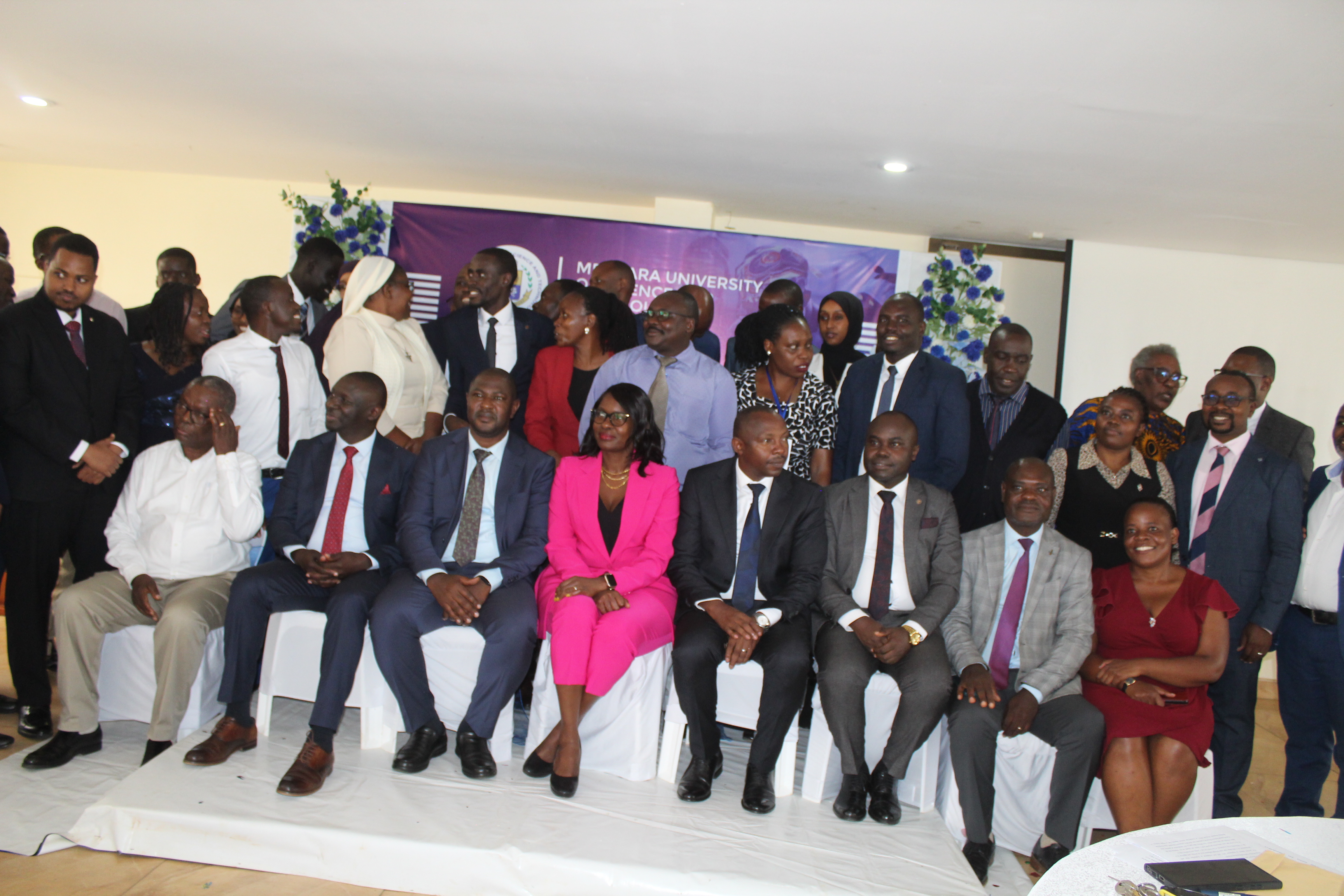
Health specialists and urogynecologists attend launch of Urogynecology and female pelvic floor reconstruction surgery in Mbarara City on April 30, 2025. (Photo: Jovita Hasto)
Dr. Bahatungire added that delays in seeking treatment are common, especially in rural areas where stigma and poverty prevent women from accessing care. “On average, women with fistula wait six to nine years before receiving surgery. During this time, they live with the pain, humiliation, and social exclusion caused by their condition,” he noted.
Uganda currently has only five recognized urogynaecologists, most of whom are based in regional referral and national hospitals. Dr. Bahatungire emphasized the need to decentralize these services: “We must ensure that urogynaecology skills are available at all levels of the healthcare system.”
Professor Pauline Byakika Kibwika, Vice Chancellor of MUST, said the program is a milestone in addressing women’s health issues. “Fistula is a traumatic condition. Women suffering from it face unbearable stigma—marriages break down, they become social outcasts, and many suffer from depression. It’s a public health issue deeply rooted in poverty,” she said.
Professor Musa Kayondo, a neurosurgeon at MRRH, said the urogynaecology program is the first of its kind in Africa. “We are proud to be the first institution on the continent to offer this specialized training. With only five urogynaecologists serving 24 million Ugandan women, the need for more specialists is urgent.”
Prof. Kayondo further explained that since 2010, the hospital has conducted an average of 500 fistula repair surgeries per year, but the demand remains overwhelming. “The new program will allow us to graduate four specialists every two years, expanding access to care and improving outcomes for thousands of women,” he said.
He concluded by noting that the program is fully accredited by the Uganda Medical and Dental Practitioners Council and the National Council for Higher Education, marking a new era in maternal healthcare and surgical education in Uganda.
Torch Media Africa



