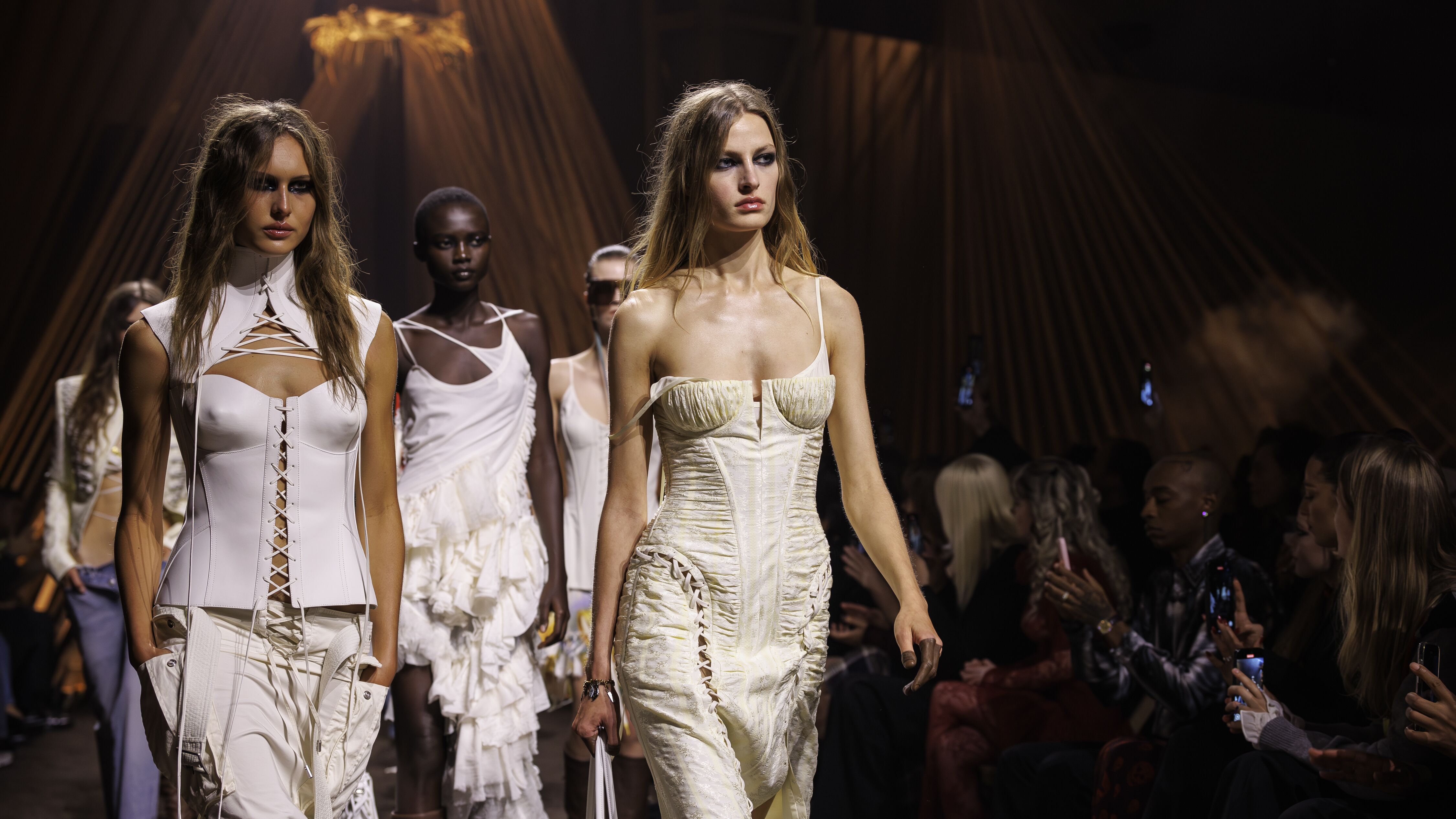
After more than two decades of showing in Paris, Alexander McQueen returns to the London Fashion Week schedule on Sunday — Seán McGirr's first show in the city that made the house, and the biggest win yet for a fashion week that had been quietly losing its stars.
LONDON
For years, the story of London Fashion Week was a story of departures. Brands built in Hackney studios and Central Saint Martins degree shows grew up, got investment, and went to Paris — where the buyers were denser, the schedule grander, and the money moved faster. London kept the talent and lost the headliners.
On Sunday evening, one of them comes back.
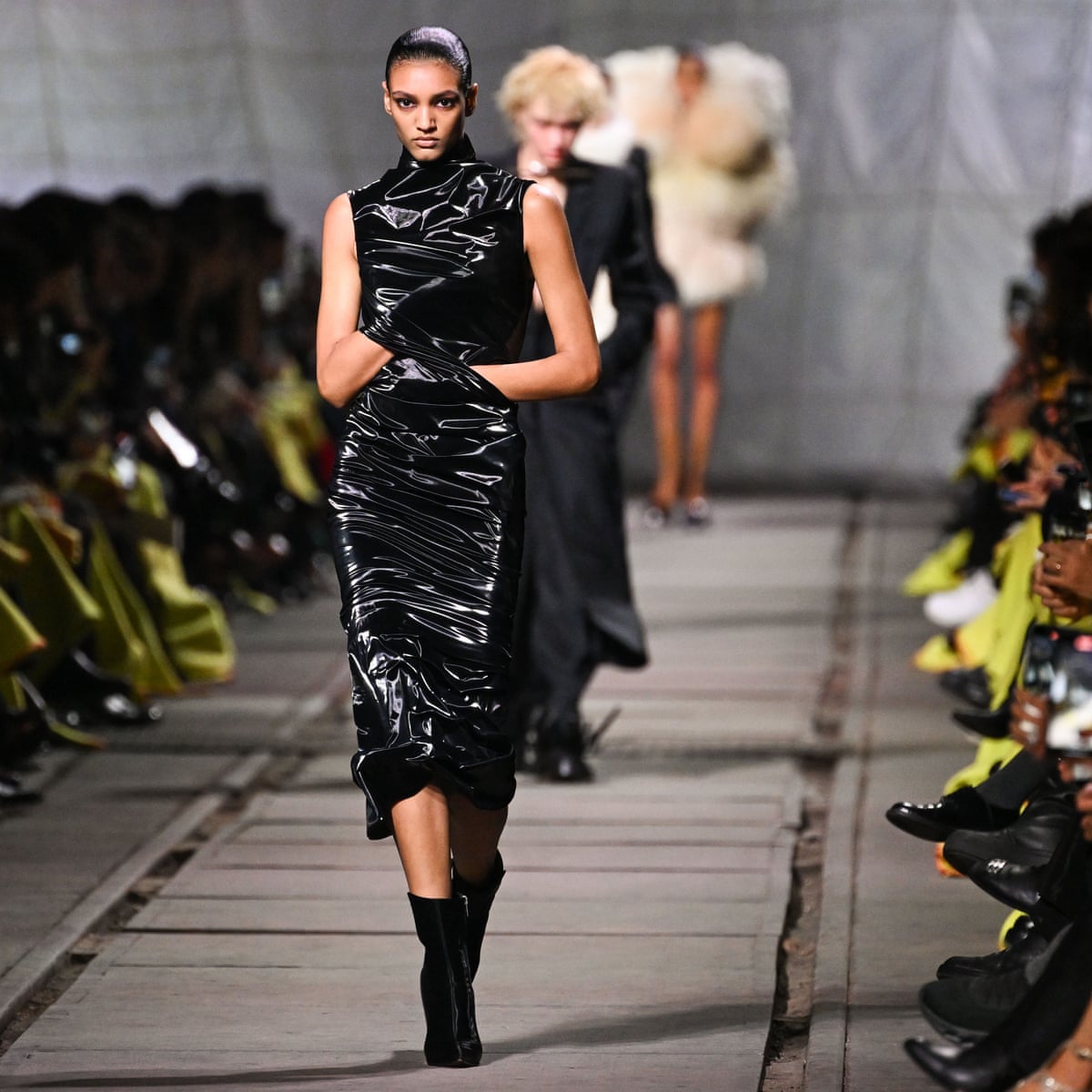
Alexander McQueen returns to the official London Fashion Week schedule with a Spring/Summer 2027 show at 8pm on September 20, presenting menswear and womenswear together. It is the Kering-owned house's first appearance on the London calendar since 2022, and the first time creative director Seán McGirr — appointed in 2024 — has shown the label in the city where Lee Alexander McQueen learned to cut on Savile Row.
Why this matters more than one show
London Fashion Week runs Thursday, September 17 through Monday, September 21. McQueen's return is the anchor of a schedule that reads, for the first time in a while, like a homecoming rather than a holding pattern.
Mulberry is also back on the official calendar, with Christopher Kane presenting his debut collection as creative director — a genuinely intriguing pairing of a Scottish designer known for cerebral, slightly unnerving glamour with a Somerset leather house best known for handbags your mother owns. Burberry, Barbour, Emilia Wickstead, Erdem, Harris Reed, Richard Quinn, Roksanda and Simone Rocha all feature. Fashion East returns following further investment from the British Fashion Council, and three BFC NEWGEN recipients — Francesca Lake, Gui Rosa and Petra Fagerström — make their London debuts.
"This season marks an exciting moment for London Fashion Week, with the return of leading British brands alongside an exceptional new generation of creative talent," said Laura Weir, who became chief executive of the British Fashion Council in 2025 and has spent her tenure so far on precisely this problem: persuading the brands that left to come back.
The scale of the problem is worth naming. McQueen, Stella McCartney and Victoria Beckham all favoured Paris in recent years, leaving Burberry, Erdem and Simone Rocha as the schedule's biggest established draws. A fashion week without heavyweight anchors struggles to justify the travel for the international buyers and editors that emerging designers depend on to be seen. Getting McQueen back is not sentiment. It is infrastructure.

What McGirr is walking into
Seán McGirr took over McQueen at a genuinely difficult moment. He succeeded Sarah Burton, who had steered the house for thirteen years after Lee McQueen's death in 2010 and who was widely beloved — not a designer anyone was clamouring to replace. The reception to McGirr's first collections was mixed at best; his debut drew some of the most pointed criticism any recent creative director has received.
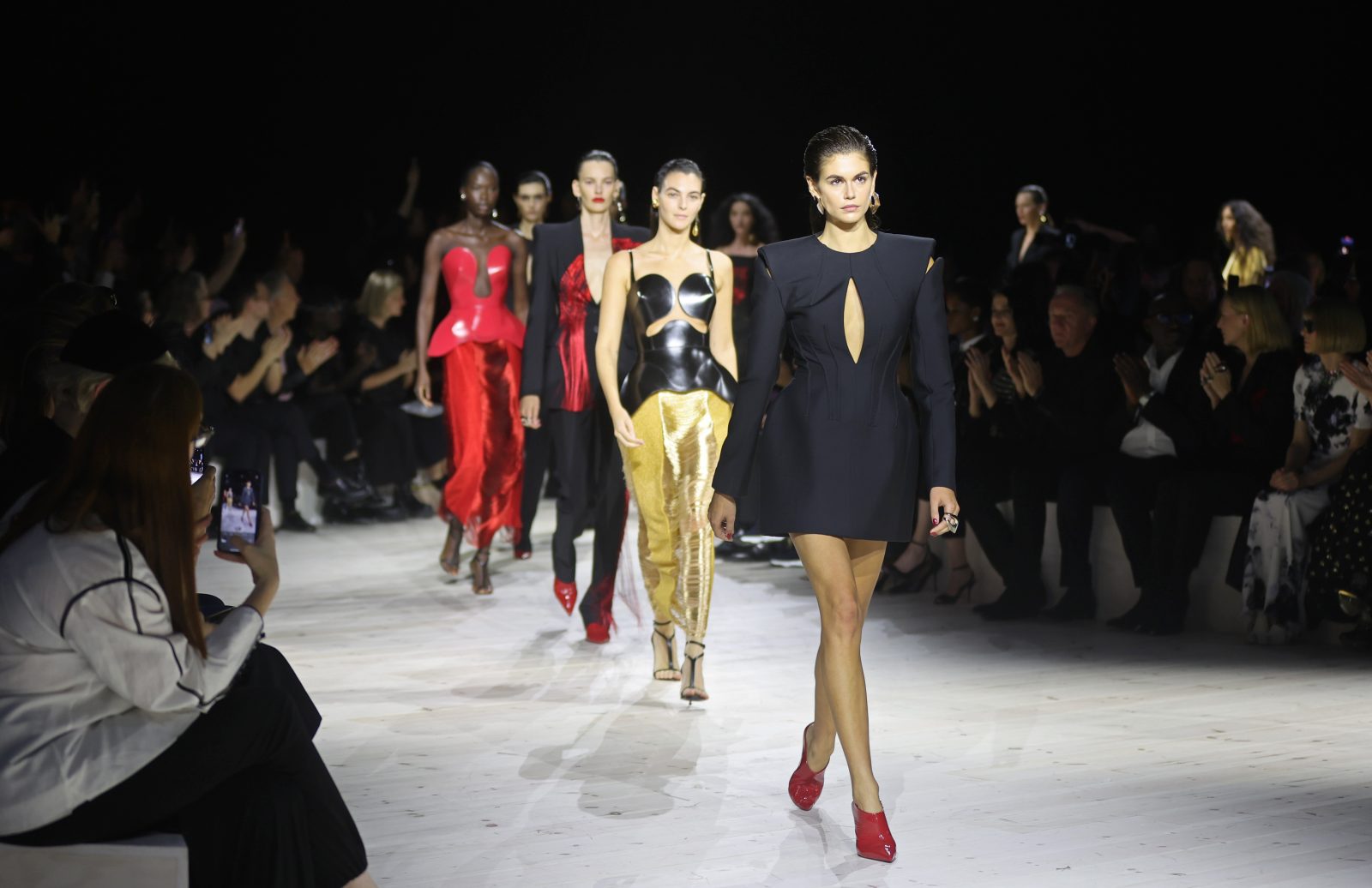
What has happened since is less dramatic and more interesting. McGirr has settled into delivering the sharply cut tailoring and occasion dressing that Kering — and chief executive Luca de Meo — want the house to sell, while keeping enough strangeness in the clothes to justify the name above the door. His most recent fall collection drew on Alfred Hitchcock, a reference that has loomed over McQueen iconography since the beginning, and on "Safe," Todd Haynes's cult 1995 film starring Julianne Moore. The fall campaign, starring Karen Elson and Paloma Elsesser, leaned into noir.
It is the work of a designer who has stopped trying to win an argument and started building a body of work. Showing it in London, rather than Paris, is the next logical move — and a shrewd one, because a London audience will judge McGirr against the house's origins rather than against the polished Parisian schedule where his first collections were measured. The comparison is riskier. It is also the only one that can settle the question of whether he belongs there.
"A uniquely visceral energy"
McGirr has framed the decision as a matter of origin rather than strategy.
"London has always been at the heart of McQueen," he said. "There's a uniquely visceral energy to the city that runs throughout the house's history and continues to inspire everything we do today."
That is not marketing copy. The McQueen mythology is almost entirely a London mythology: the East End tailor's son, the Savile Row apprenticeship, the graduate collection bought outright by Isabella Blow, the shows staged in warehouses and car parks and a disused bus depot, the bumsters and the Highland Rape collection and the sheer nerve of it all. The house's most legendary moments happened within the M25. Paris gave it a luxury address. London gave it a nervous system.
What this means for you
If you follow fashion casually, the practical upshot is that the most anticipated show of this September's London calendar happens Sunday night and will be everywhere on Monday morning. Expect tailoring. Expect a proportion argument. Expect the internet to compare it, unfairly and inevitably, to 1998.
If you follow fashion as an industry story, the McQueen return is a data point in a bigger realignment. For a decade the received wisdom was that fashion weeks were consolidating — that Paris and Milan would take the money and New York and London would become talent incubators with nice parties. Weir's bet is that a national fashion week can be rebuilt by making it worth a heavyweight's while to show at home, and that emerging designers benefit from proximity to the big names rather than being crowded out by them.
And if you simply like clothes, there is a quieter reason to pay attention. British fashion has always been at its best when it is slightly uncomfortable — Rocha's difficult prettiness, Quinn's excessive florals, Kane's clinical eroticism, McQueen's whole catalogue of beautiful threats. Five days in which all of that appears on one schedule is not a marketing exercise. It is a decent argument for why London mattered in the first place.
The doors open Thursday. The house comes home on Sunday.
Published By | Features Editor