Written By | Entertainment Desk
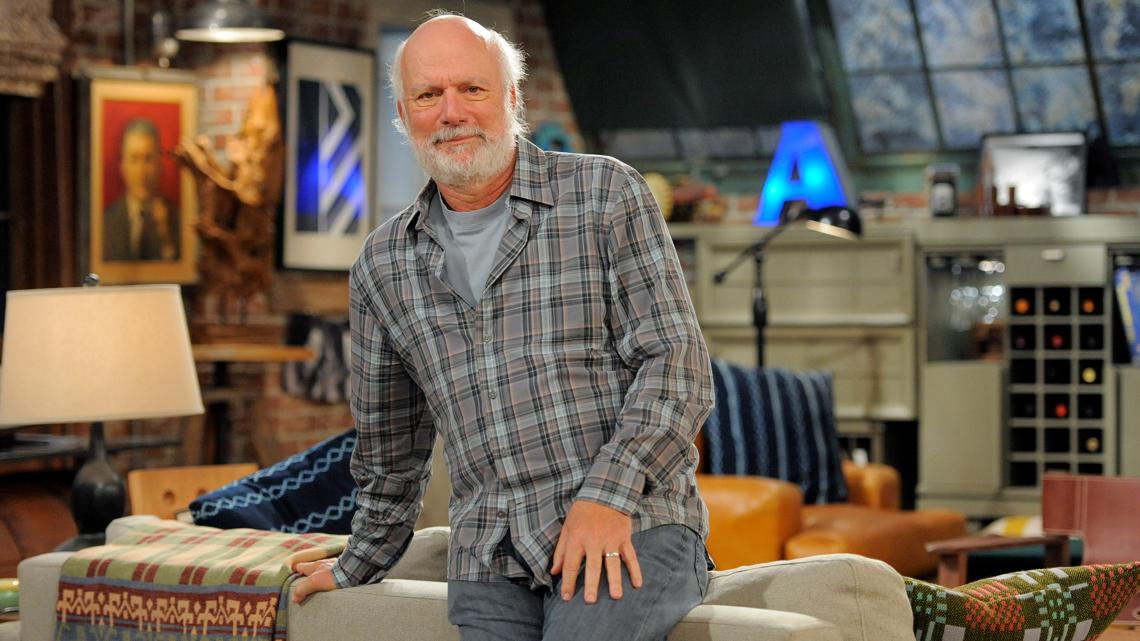
Burrows died Friday in his sleep following a brief illness
If you have ever laughed at a sitcom, there is a very good chance James Burrows had something to do with it.
Burrows died Friday in his sleep following a brief illness, his family confirmed, at the age of 85. He "passed away peacefully today surrounded by his loving family." What follows that sentence, though, is one of the longest and most quietly dominant resumes in American television — a career that touched practically every sitcom you can name from the 1970s through the 2010s.
Eleven Primetime Emmys. Five Directors Guild of America Awards. A Television Academy Hall of Fame induction in 2006. And, almost unbelievably, more than 1,000 directed episodes across a career spanning over five decades. Burrows' real legacy is harder to quantify: an entire generation of half-hour comedies that feel alive, lived-in, and warm because he was in the room shaping how they breathed.
The Bar Where Everybody Knew His Name
Burrows is most indelibly linked to Cheers, the Boston barroom sitcom he co-created in 1982 with Glen and Charles. He didn't just direct individual episodes — he helped build the show's entire comic architecture, the rhythm of banter between Sam and Diane, the ensemble chemistry that turned a small set into one of the most beloved sitcoms ever made. Cheers ran for eleven seasons and became a template for how a "hangout" comedy could work.
But Cheers was really just the loudest entry on a much longer list. Burrows' television career began in 1974 on The Mary Tyler Moore Show, and he won back-to-back DGA comedy directing awards in 1980 and 1981 for his work on Taxi.
Then came the part of his career that even people who've never heard his name have absolutely seen: Friends. Burrows directed the pilot — a job that is, in television, something close to architecture. His other credits read like a syllabus for modern sitcom comedy: Frasier, Will & Grace — every single episode of which he directed across its original run from 1998 to 2020 — and dozens of others.
What Made Him Different
Ask anyone who worked with Burrows what set him apart, and the answer rarely starts with technical innovation. It starts with actors. He had a particular gift for coaxing natural, unforced performances out of young or inexperienced casts — exactly the situation he faced with the largely unproven ensemble of Friends in 1994.
That instinct for casting and performance, more than any camera trick, may be his most lasting contribution. Sitcoms live or die on whether an audience believes the relationships on screen, and Burrows built a career-long reputation as the director who could make almost any cast believe in each other within days of meeting.
A Hollywood Reaction Befitting the Loss
Tributes poured in within hours of the news breaking, from network executives, longtime collaborators, and actors whose careers he helped launch. The consistent thread across them: gratitude, more than grief — for a body of work so foundational that most people don't even register it as a body of work. It's simply what sitcoms are supposed to feel like.
That, more than any single award, is the real measure of Burrows' influence. When a half-hour comedy clicks — when the timing lands, when the ensemble feels lived-in within an episode or two — there's a fair chance you're watching a piece of the formula Burrows spent fifty years perfecting.
What This Means for Television Now
Burrows' death closes out the active career of someone who connected nearly every era of modern American sitcom directly to the one before it — from the three-camera classicism of The Mary Tyler Moore Show, through the ensemble intimacy of Cheers, to the multi-camera revival era of Will & Grace's 2017 return. Few directors in any genre can claim that kind of unbroken thread across fifty years.
For audiences, his passing is a reminder of just how much craft sits underneath shows that are designed, deliberately, to feel effortless. The next time a sitcom pilot makes you laugh in its first ten minutes, there's a good chance it owes something — directly or by inheritance — to the man who spent five decades making it look easy.
Sources: Family statement; Television Academy; Directors Guild of America; Variety; The Hollywood Reporter



