Written By |
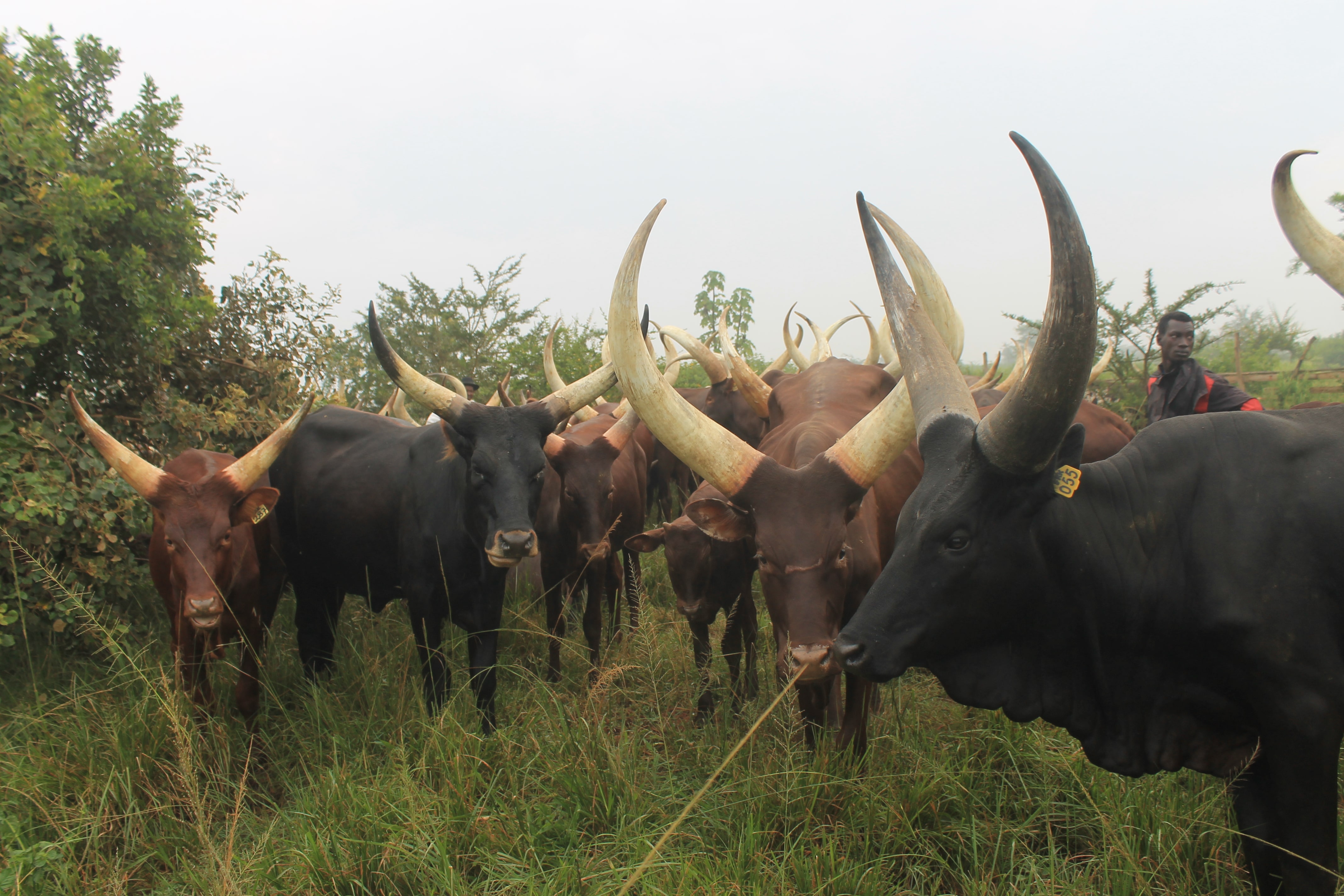
Stuart Twinomujuni visited some farmers whose animals have been affected by resistant ticks.
For ten years now, farmers in the cattle corridor districts of western Uganda have been crying over veterinary drugs that have failed to kill ticks.
The cattle corridor districts of western Uganda include Kiruhura,Lyantonde, Kazo, Isingiro, Ntungamo and Bushenyi where the majority of people are entirely dependent on cattle for their survival.
Stuart Twinomujuni visited some farmers whose animals have been affected by resistant ticks.
Fred Kyensheija is one of the cattle farmers in Nshwere, Kiruhura district, who has reared cattle since childhood but has never seen his cows die at the rate at which they are dying now.
He narrates that he has used every sort of acaricide on the market but ticks continued to survive.
‘’For Example I spray twice a week where I spend sh. 105,000, but still ticks don’t die’’. Says Kyensheija.
Alvin Tumusiime, a goat farmer, says ‘’ From nowhere, goats started dying. A goat would develop some simple signs of profuse diarrhea, blood and die in the next few hours or the following day.’’
These and other farmers say they have since used different types of veterinary drugs on the market which they say have failed to have any effect on ticks.
We had dip tanks in the early days of the 1960's, drugs were active and could kill ticks, what happened to manufacturers? Asked Erick Rutahigwa, a cattle farmer.
Steven Kakuru, another farmer stated, ‘’Experts from the National Drug Authority are to blame because even the army officers you see in uniform went to the bush to fight for our wellbeing, why are you letting the head of state down?’’.
This has sparked off accusations and counter accusations between Farmers and National Drugs Authority.
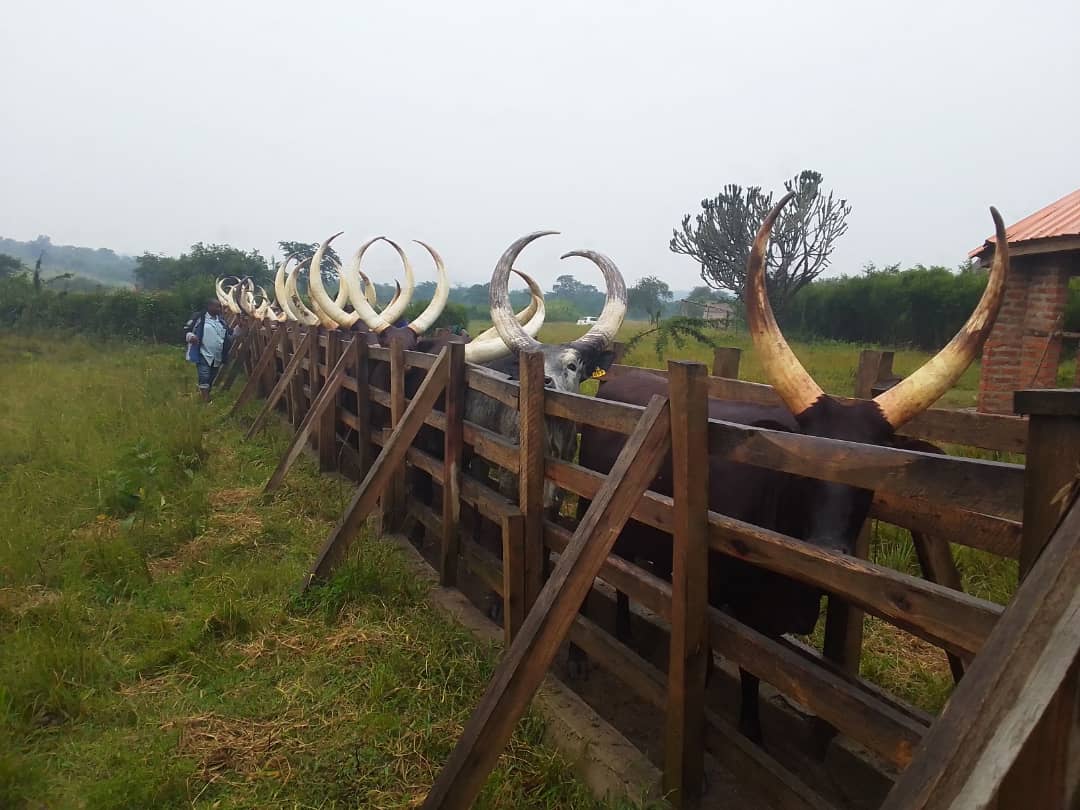
Farmers are blaming NDA for allowing fake drugs on the market whereas NDA accuses farmers of poor farming practices.
‘’Drugs are fake but they claim we don’t have spraying techniques. If we have poor practices, is it the same problem with farmers in the North?’’. And if so, why aren’t farmers in Kenya crying? Asks Abel Nabimanya, a cattle farmer.
He adds; ‘’ what compelled you to allow every manufacturer of acaricide with differing prices on the market?”
Robert Mukasa, the head of NDA Mbarara service center says; The problem originated from poor practices by the farmers, whether you accept or not.
“We have discovered, through research that all our drugs on the market are of good quality and work effectively, but because farmers don’t use it properly, they end up claiming drugs are fake”. Says NDA’s Dr. Steven Semakalu.
Farmers are compelled to resort to making concoctions and sometimes using pesticides in order to eliminate resistant ticks.
‘’We can’t sit back and keep on seeing dead bodies of our herds, we have to apply alternative means by applying pesticides to see if they can put some change’’. Says Abel Nabimanya, a herdsman.
Abiaz Rwamwiri, the NDA Spokesperson, however blames the dysfunctionality of drugs to poor storage and handling by farmers.
‘’Acaricide might be good and functioning, but when it is poorly stored like exposing it to sunshine, this lowers its quality making it weak and this makes farmers think drugs are fake’’. Rwamwiri points out.
Dr. Grace Asiimwe, the Kiruhura district Veterinary officer, says tick resistance is a national issue adding that the government is putting efforts to help farmers.
“Tick resistance is a national challenge but as a government, the ministry of agriculture is putting efforts to ensure that farmers are helped”. Says Dr. Asiimwe.
Kiruhura district alone has lost over 3000 cows in the last 6 months, out of
three hundred and eighty heads of cattle in the district, according to Dr. Asiimwe.
According to Dr. Amanyire Moses, the Mbarara city veterinary officer, these ticks have developed resistance because of the warming environment.
He says global warming makes vectors develop responsive mechanisms to new environmental conditions while it denatures the life of the host by causing immune suppression, infections and death.
He says there is enough evidence that climate change alone characterized by high temperatures, reduction of water bodies vegetation cover has affected the health of wild animals forcing them to invade people’s farms and in the process they transmit ticks.
It should however be remembered that most districts where there is tick resistance in Ankole share borders with Lake Mburo National Park, from where suspected wild animals that spread ticks escape.
These districts include Mbarara, Lyantonde, Isingiro and Kiruhura.



