Written By | Tech Wiz

Starting January 2028, the shiny plastic disc that defined three decades of gaming night dies quietly — and collectors, retailers and an entire secondhand economy are bracing for the fallout
TOKYO / SAN MATEO, CALIFORNIA
Somewhere in a warehouse right now, a stack of blank PlayStation game discs is being pressed, shrink-wrapped, and boxed — and Sony just told the world that in a little over eighteen months, it will stop making more of them, ever again.
The announcement landed on the PlayStation Blog on Wednesday morning with the corporate calm of a company reading a eulogy it wrote itself: starting in January 2028, physical disc production for all new games releasing on PlayStation consoles will be discontinued. From that date forward, every new PlayStation title will exist only as a digital download — bought through the PlayStation Store or, in some retail-friendly form Sony hasn't fully explained yet, as a code card sold at a store. No disc. No case. No spinning logo when you pop it in the tray. Just data.
For an entire generation raised on midnight store launches, disc-swapping with friends, and shelves lined with plastic cases like trophies, it is the end of something much bigger than a format war. It is the end of the idea that a video game is a thing you can hold.
The announcement nobody wanted, but everybody saw coming
Sony's own numbers tell the story bluntly. According to figures cited alongside the announcement, nearly four out of every five full-game purchases on PlayStation 4 and PlayStation 5 over the past year were made digitally — no disc involved. Even so, physical discs haven't vanished entirely: roughly 70 million disc-based PlayStation games were still sold in 2025, according to industry tracking cited in coverage of the announcement. That's not nothing. That's an entire industry's worth of factories, trucks, retail shelf space and secondhand shops — all built around a technology Sony has now put a countdown clock on.
In its own words, Sony framed the move as an inevitability rather than a choice: "the general preference for digital media significantly outpaces physical discs," the company said, describing the shift as a "natural direction" for a console ecosystem that, in truth, has been drifting away from plastic since the day Sony and Microsoft both released disc-less versions of their current-generation consoles back in 2020. The PS5 Digital Edition and the Xbox Series S weren't hedges. In hindsight, they were the opening moves.
Crucially, Sony was careful to draw a hard line in the sand: this only affects games releasing after January 2028. Anything that ships on disc before that date — including, pointedly, Rockstar's genuinely universe-sized Grand Theft Auto VI, expected to be one of the last true blockbuster disc releases — is unaffected. Your existing library, your shelf of jewel cases, your battered copy of a decade-old favorite: none of it stops working. But the tap is being turned off for everything that comes after.
Why this hits differently than the death of the DVD
Comparisons to the death of the DVD or the CD are everywhere in the reaction to this story, and they're not wrong, exactly — but they miss what makes games different. A DVD is a passive object. You watch it, you're done. A game disc is something you insert into a machine that then, more often than not, still needs to download a 40-gigabyte day-one patch before you can actually play. Physical media in gaming has been half-digital for years already. Sony's move isn't so much a revolution as it is finally admitting what was already true.
But the emotional stakes are different too, and that's where the backlash is loudest. Gamers who spoke up in the hours after the announcement weren't defending disc trays out of nostalgia for scratched plastic — they were defending three specific things digital downloads can't replicate: ownership, resale, and lending. A disc can be sold when you're done with it. A disc can be lent to a friend for the weekend. A disc, in the event a publisher shuts down its servers or delists a game from its store, still works, forever, as long as the console does. A digital license is a rental you were told was a purchase, and every gamer who has watched a "purchased" digital movie or show vanish from a streaming library after a licensing dispute knows exactly how flimsy that promise can be.
Collectors, in particular, describe the news as something closer to grief than inconvenience. For years, physical games have functioned as more than software — they're objects to display, preserve, and pass down, complete with box art, manuals, and the small tactile satisfaction of a shelf that tells a story about who you are. That entire culture now has an expiration date stamped on it.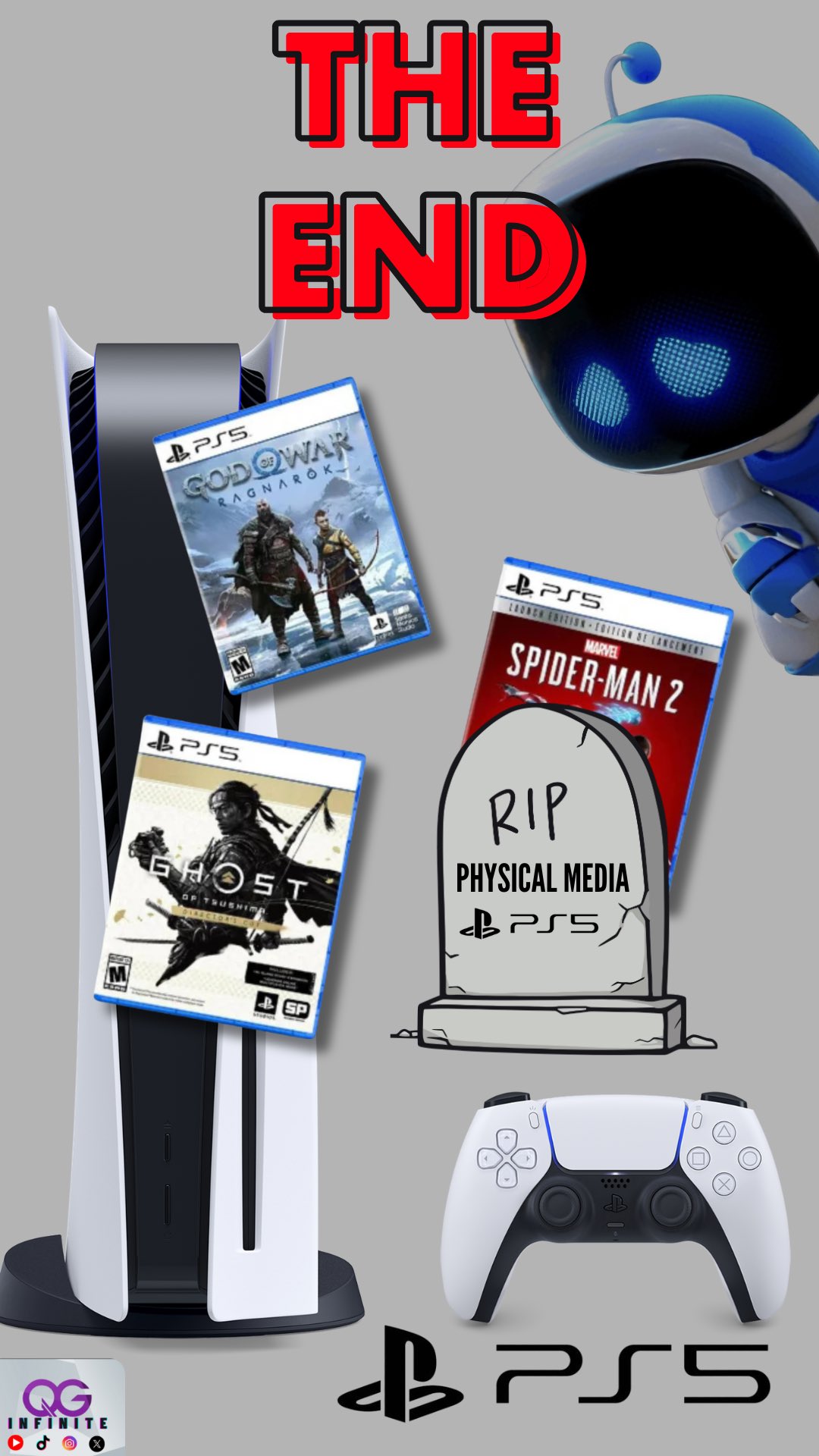
The secondhand economy nobody's talking about — yet
The ripple effects reach well past individual gamers' living rooms. Retailers like GameStop built entire business models on trading in used discs and reselling them at a markup — a secondary market that, for years, publishers have grumbled about because it captures revenue they never see. The end of new disc production doesn't kill that market overnight, but it starves it slowly: fewer new discs entering circulation means a shrinking pool of used inventory, and eventually a used-game aisle with nothing new to sell.
Hit hardest may be a small but devoted corner of the industry: specialist publishers like Limited Run Games and Super Rare Games, whose entire business is built on taking digital-only indie titles and manufacturing gorgeous, limited-edition physical versions for collectors. Without cheap, accessible disc manufacturing infrastructure, that business becomes dramatically more expensive to run — a genuine threat to companies that exist specifically to serve the audience Sony's announcement just alienated.
There's also a quieter, more structural shift buried in the announcement: game developers. Without a disc deadline to hit, studios lose one of the industry's oldest forms of forced discipline — the "gold master" deadline, the hard date by which a game had to be finished enough to send to a manufacturing plant. Analysts note that removing that deadline could hand developers additional weeks of polish time before launch, a genuinely underrated silver lining for an industry infamous for buggy day-one releases.
What the rest of the industry is doing
Sony isn't moving in a vacuum, and it isn't likely to stay alone for long. Microsoft's Xbox has been leaning digital-first for years and is widely expected to follow a similar path — though as of this week, no comparable announcement has been made. Nintendo, notably, has always marched to its own beat: it skipped discs entirely, sticking with game cartridges, and its newest console, the Switch 2, has taken a strange middle path with "game-key cards" — physical cards you can hold, trade, and put on a shelf, but which contain no actual game data at all, just a prompt to download the real thing from the internet. It's physical media as comfort object, a placebo for people who miss the shelf but have already accepted the download.
Analysts tracking the announcement have framed it less as a shock and more as an inevitability crossing a threshold. One industry analyst described the shift succinctly as the moment the industry got "one step closer" to the full death of physical games — not the final nail, but unmistakably a nail.
Expert perspective: a format war that digital already won
Industry watchers who've covered the platform for years point out that this announcement is really a lagging indicator, not a leading one — Sony is following consumer behavior it already measured, not trying to steer it. The real story, they argue, isn't the January 2028 date itself, but what it confirms: that an entire generation of gamers, having grown up buying skins, battle passes, and season content that never touched a disc in the first place, simply doesn't think about game ownership the way their parents thought about owning a record collection or a shelf of VHS tapes. For most players under 25, "buying a game" already means tapping a button on a store page, not walking into a shop.
That shift also explains why Sony felt safe making the move now rather than five years ago: the generation that would have fought hardest for physical media is aging out of being the console industry's primary revenue driver, replaced by mobile-native, always-online players for whom a disc drive is a novelty, not a necessity.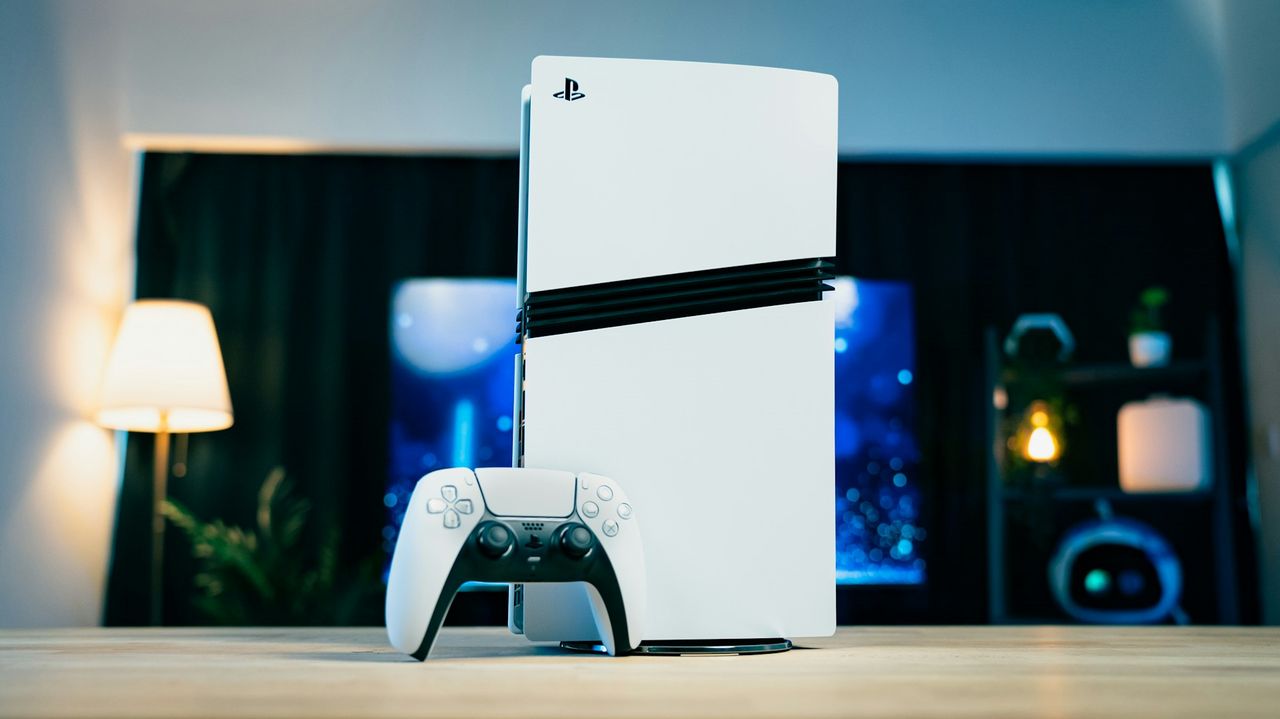
What this means for you
If you're a casual player who already buys everything through the PlayStation Store, this changes essentially nothing about your day-to-day gaming life — the transition will likely feel invisible.
If you're someone who buys physical for the resale value, the lending flexibility, or simply the peace of mind of owning something a company can't quietly revoke, the runway is short: any big physical release you've been eyeing has a hard deadline now, and that "get it while it lasts" pressure is likely to intensify collector demand — and prices — for physical editions between now and January 2028.
If you collect games as objects — display shelves, limited editions, the whole ritual — it may be worth treating the next eighteen months as the tail end of an era, and buying accordingly, because whatever gets released on disc before January 2028 may be among the last physical PlayStation titles ever manufactured.
And if you're simply someone who likes being able to hand a friend a game, or sell one back when you're done, it's worth having that conversation with yourself now about how comfortable you actually are with a future where "owning" a game means nothing more than a license Sony's servers agree to keep honoring.
The bigger picture
Sony's announcement is a single corporate memo, but it's also a marker — a line drawn across the calendar that says, plainly, this is where an era ends. The PlayStation disc, in its various physical forms, has been part of gaming culture since the original PlayStation launched with CD-ROMs back in 1994, replacing cartridges and, in the process, reshaping how an entire generation thought about owning and sharing games. Three decades later, the format that started that revolution is being quietly phased out — not with a bang, but with a blog post and a distant date on a calendar.
The discs already on shelves will keep working for as long as PlayStation consoles do. But somewhere out past January 2028, the last new PlayStation game disc will roll off a production line, get boxed, shipped, and sold — and nobody will know, in the moment, that they were holding the final one.



