Written By | Sports News Agencies
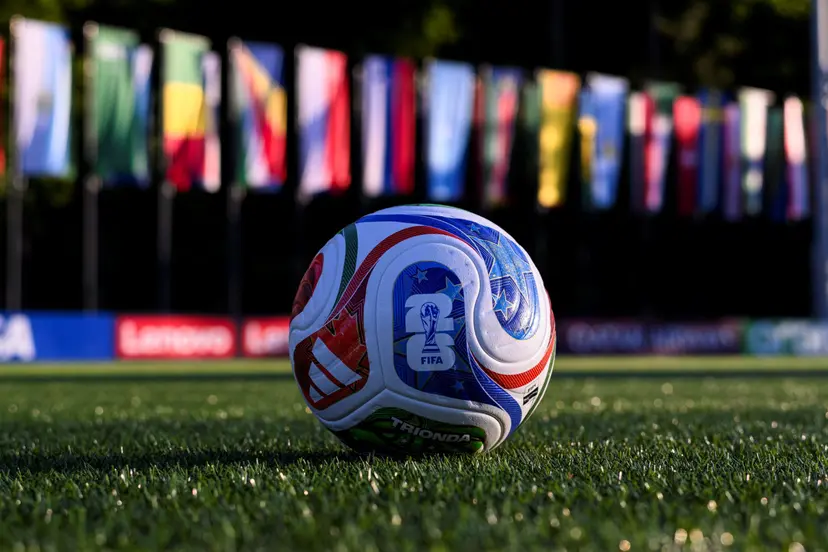
The 2026 World Cup, co-hosted by the United States, Canada, and Mexico across 16 cities and 11 time zones, runs from June 11 to July 19
MEXICO CITY / NEW YORK / TORONTO
Five days from now, at Mexico City's storied Estadio Azteca — where Diego Maradona dribbled past England in 1986 — the whistle will blow on the 23rd FIFA World Cup. Mexico will face South Africa. And with that first kick, a tournament unlike any in the sport's history will begin.
The 2026 World Cup, co-hosted by the United States, Canada, and Mexico across 16 cities and 11 time zones, runs from June 11 to July 19. For the first time, 48 nations will compete — a third more than the 32-team field since 1998. There will be 104 matches across iconic venues from Estadio Azteca to MetLife Stadium. The scale is breathtaking. The challenges are equally vast.
A Tournament Reshaped
FIFA's 2017 decision to expand from 32 to 48 teams, championed by then-President Gianni Infantino, promised new nations, new fans, new stories.
The format: 12 groups of four teams, with the top two in each plus the eight best third-place finishers — 32 teams — advancing to a knockout round of 32. Finalists will now play eight matches rather than seven.
Purists argue the expanded group stage dilutes drama. Supporters counter that it gives smaller nations a genuine chance. Cape Verde — a tiny Atlantic island nation of roughly 170,000 people — has qualified for the first time, becoming the smallest country by population ever to do so.
Italy, meanwhile, sits at home. The four-time world champions have now missed three consecutive World Cups.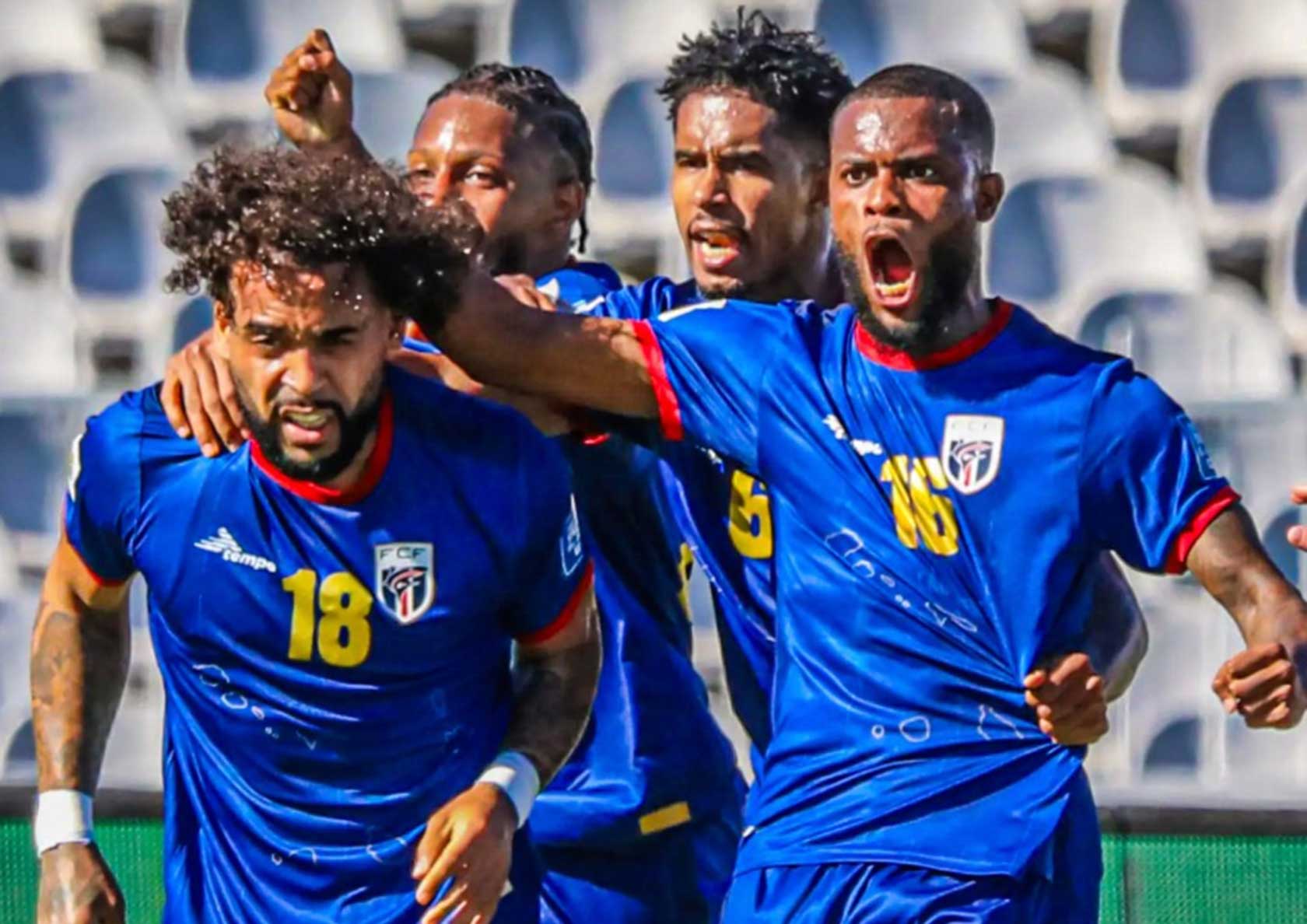
Cape Verde is the smallest country at the World Cup
Sixteen Cities, One Tournament
No other World Cup has demanded fans travel quite like this. The 16 host cities span three regions:
Climate activists have raised concerns about the environmental impact of so much intercontinental travel. FIFA has defended the format, but critics note few concrete sustainability commitments.
Ticket prices have also ignited fury. Attorneys general in New York and New Jersey subpoenaed FIFA over pricing concerns. A viral moment saw roughly 60 fans discover a technical glitch had granted them free tickets — a moment of levity amid broader frustration.
Heat, Politics, And The Logistics Of A Giant
Scientists at Queen's University Belfast issued a stark warning: most U.S. host cities face dangerous summer heat, posing health risks for players and fans. FIFA responded by mandating a three-minute hydration break in each half — a practical concession, if imperfect.
Politics have cast a long shadow. Geopolitical tensions involving Iran's participation and U.S. visa rejections — reported by Al Jazeera — are keeping significant numbers of fans from Iran and other nations away from the tournament entirely.
FIFA has also introduced new rules: stricter enforcement of time-wasting, new goalkeeper positioning protocols, and clearer VAR communication to in-stadium crowds.
The Storylines Worth Watching
Brazil, France, England, Argentina, Spain, and Germany enter as favorites, though the expanded field guarantees at least a few will be sent home early.
Morocco — semifinalists in 2022 — are widely regarded as the most likely team from Africa or Asia to make a deep run. Japan, Saudi Arabia, and South Korea add intrigue to the Asian contingent. Hosts Canada and the U.S. will play in front of crowds FIFA expects to be record-shattering.
For the first time, all players in the opening-ceremony matchday squads will gather around the center circle for national anthems — a deliberate symbolic gesture.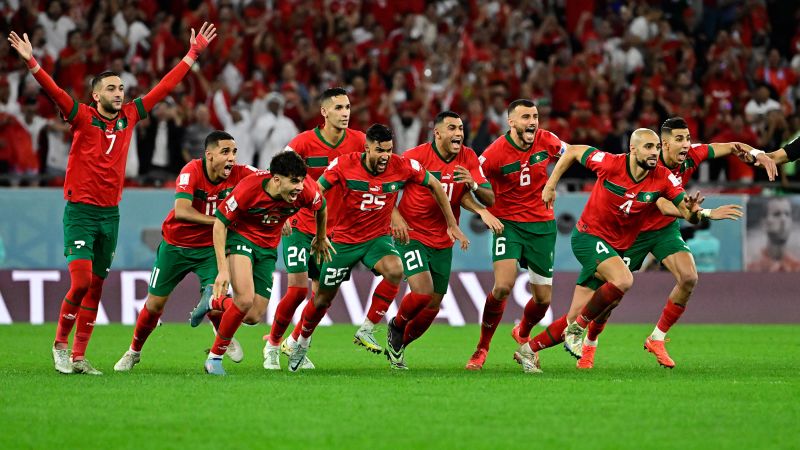
More hopes are in Morocco Team to have a lengthy run
What This Means For You
Whether you attend in person, watch from a sports bar, or follow on your phone, the 2026 World Cup offers something unprecedented: a football tournament that is, in the truest sense, a North American event.
If you're in the eastern U.S., a Group Stage match is likely within driving distance. If you're in California, the quarterfinals and beyond will unfold at the Rose Bowl and SoFi Stadium.
The 104-match schedule means barely a day without football from June 11 through July 19. For the first time, a generation of young North American fans will experience the World Cup not as something that happens somewhere else, but as something happening here — in their cities, in their stadiums.
That, in the end, may be the most consequential thing: not the controversies, not the expanded format, not even the football — but the idea that the sport's relationship with North America is about to change, permanently and profoundly, the moment Mexico kicks off against South Africa at the Azteca on June 11.



