Written By |
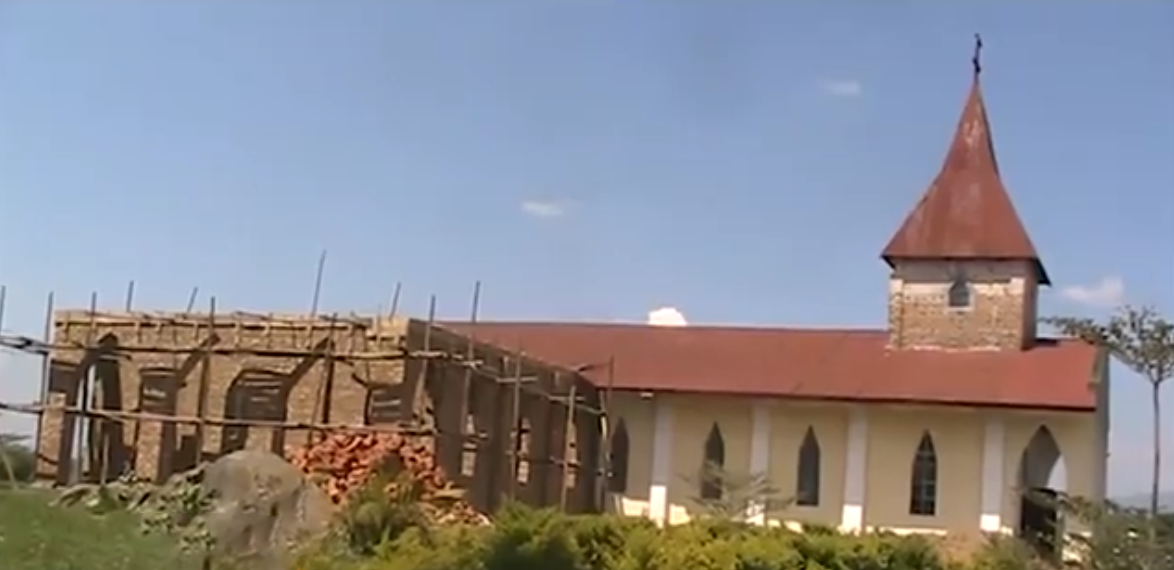
Bucence COU believed to be the oldest church in Rujumbura was constructed in 1920's
By Stuart Twinomujuni
In 1925, at Gahini Hill in Rwanda, Geoffrey Holmes, a missionary, founded the Ruanda Mission under the auspices of the Anglican Church Missionary Society. Later in 1926, Herbert Jackson, another missionary, joined him to start a hospital. In June 1928, Dr. John Edward Joe Church, a British medical missionary, arrived at Gahini to work at the hospital, a role he fulfilled for many years. Joe Church subsequently planted the seed of the Revival Movement, becoming a significant leader who used his influence in mission circles across Europe and Africa to advance the movement.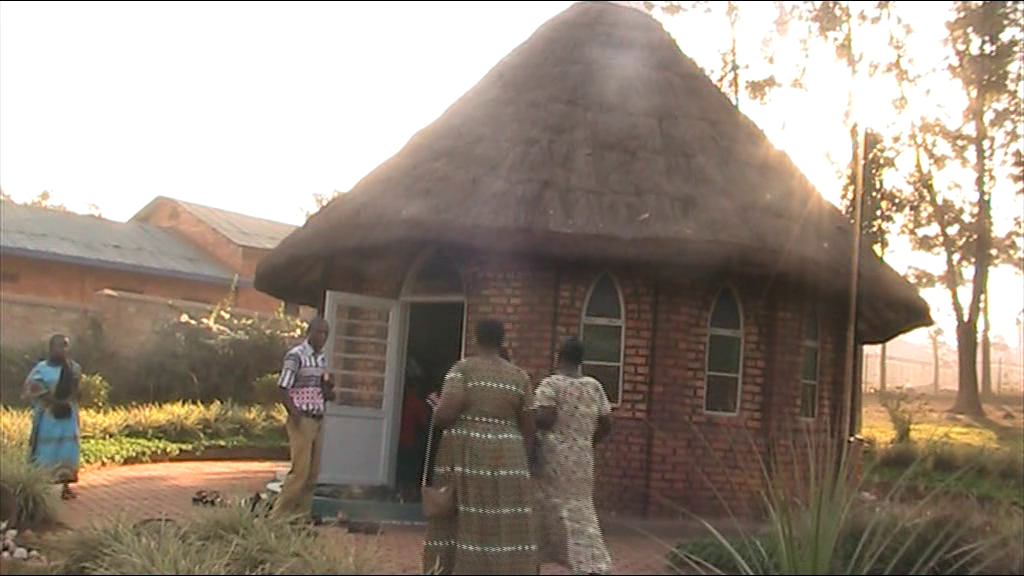
A memorial site at Gahini hill in Rwanda where powers of evangelism are believed to have originated
Over time, Joe Church established a spiritual connection with Simeon Nsibambi, a born-again Christian. This bond quickly grew, deepening their collaboration. Gahini Hospital, which Joe Church helped to establish, became associated with the Ruanda Mission of the Church Missionary Society, making Gahini the center of the Revival Movement and attracting followers from across East Africa.
Evangelism in Kigezi District
As narrated by Mathew Rukikaire, his father, Rev. Canon Erinesti Nyabagabo, was involved in promoting education in Kigezi. Together with Lawrence Barham, a British missionary, they founded Kinyasano Primary School in 1927, where Rev. Nyabagabo became the first headteacher. He is remembered for teaching men who later became prominent in public service, including Filimoni Kitaburaza, Kosiya Kikira, Festo Kivengere, Rev. Yeremiya Betsimbire, Erica Bugari, Kezironi Kakuyo, and many others before being transferred to Kabale.
In 1928, Constance Hornby, a midwife from Gahini Hospital under the Ruanda Mission, visited the Kingdom of Rujumbura, led by Omukama Daudi Makobore. During her visit, she saw a young Festo Kivengere, who was tending to his grandfather Makobore's calves. Festo, whose father had died of tuberculosis, was being raised by his grandfather in the traditional Bahima culture of cattle-keeping.
Between 1929 and 1934, Festo was taken by his mother to Kyamakanda, where she had remarried. Festo joined a school founded by a catechist inside the church, where he became a reader from classes 1 to 4 and was awarded a certificate for his reading skills. During this period, the Church Missionary Society focused on evangelizing by training young Ugandans in reading and writing and providing them with gospel readings.
Makobore and his son welcomed Christianity into the Bahima Kingdom of Rujumbura and sent Festo and many other young men to study at the mission school in Kabale. There, Festo and his friends found themselves at the heart of the growing Revival Movement.
In 1937, a team of revivalists from Kabale held a convention in Rukungiri, led by Nyabagabo, who is remembered for leading a Boys Brigade band that accompanied the team, exciting the people along the way. Since then, Rujumbura became the stronghold of the Revival Movement in Kigezi, where Christianity began to replace traditional religion.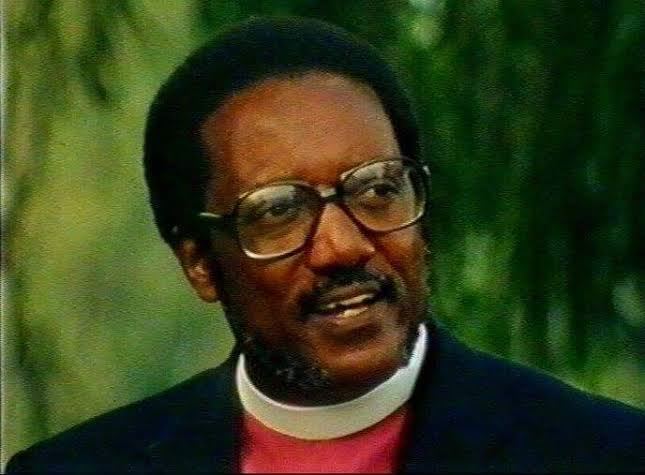
Bishop Festo Kivengyere who fronted revival to Kigezi
Festo Kivengere attended one of the meetings in Kabale shortly after coming to faith in school, where he and his colleagues held prayers at 5:30 AM. It was there that he met Joe Church, the founder of the Revival Movement, and spent considerable time with him, learning about the struggles faced by the Ruanda Mission.
Festo later became Billy Graham’s translator when Graham visited Africa. In 1950, Festo was invited to Tanganyika, where he became an acknowledged leader in church circles. He continued to receive invitations to preach in Australia, Britain, and Switzerland.
By 1970, Festo's fame as an evangelist had grown, and he traveled worldwide, but he often returned to Kigezi to spread the gospel, making it a region deeply influenced by the East African Revival.
In 1971, Festo, along with South African missionary Michael Cassidy, launched African Evangelistic Enterprise in East Africa, after turning down offers to join World Vision and an invitation from Billy Graham to become his associate.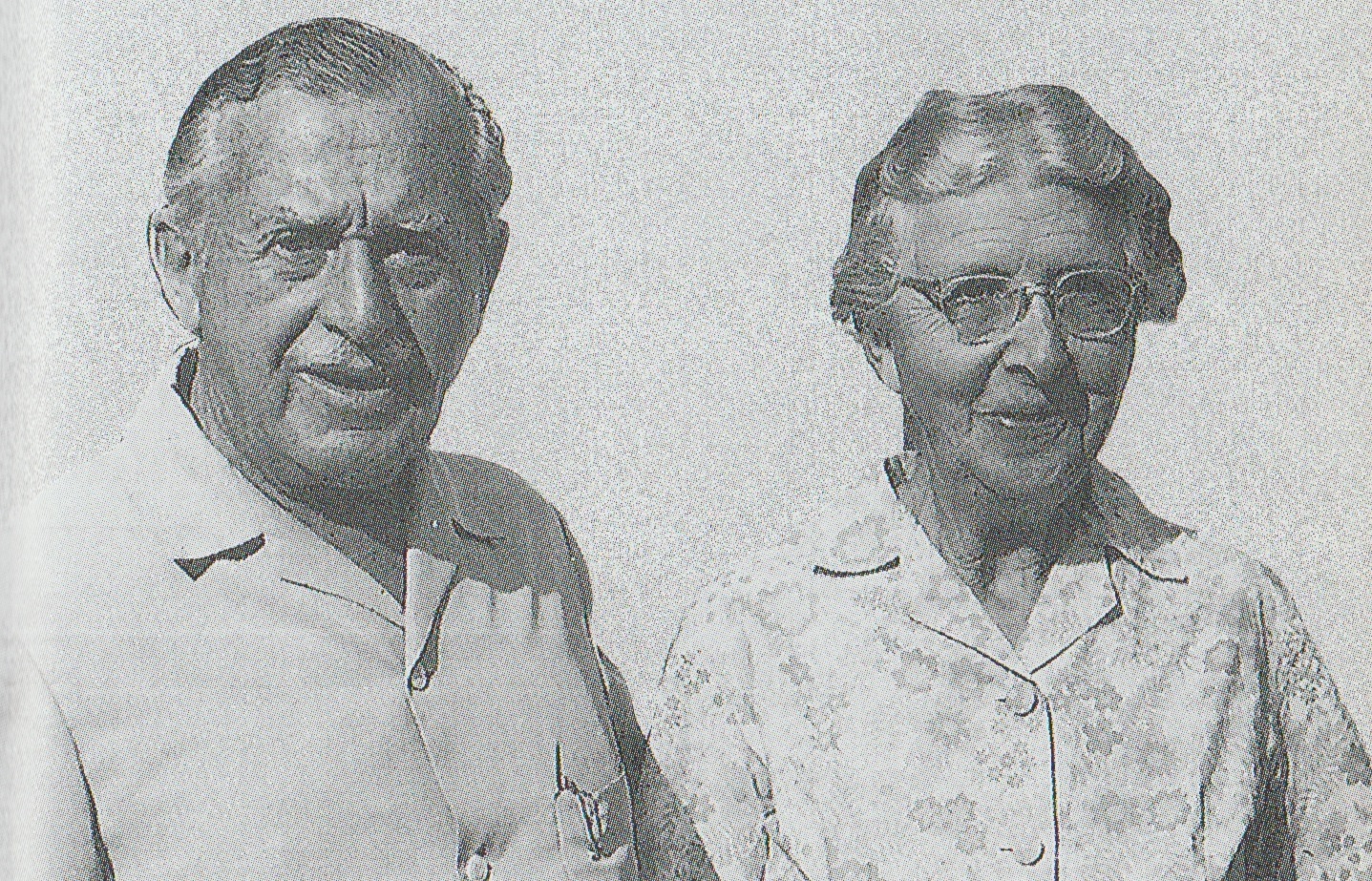
Dr. Joe Church the frontier of the revival and his wife Decie
In 1972, during President Idi Amin's reign of terror, Festo was consecrated as Bishop of Kigezi. He fled the country in 1977 when Amin attacked the churches and murdered Bishop Janani Luwum. Festo became the first black Bishop of Kigezi Diocese, succeeding Rt. Rev. Richard Lyth, the pioneer bishop. Festo is fondly regarded as one of the most remarkable Christians of the 20th century.
As stated in Mathew Rukikaire’s autobiography, the impact of the Revival Movement created a fundamental change in East African societies and cultures:
"The spirit of brotherhood among these early Christians was so strong that they no longer saw themselves in terms of tribe, or race, for that matter; they had miraculously conquered these barriers. Evangelization was more pervasive because it was spiritual and knew no borders. This movement knew no geographical, ethnic, tribal, or gender boundaries. The gospel was the biggest single socially unifying force, far surpassing the conquests of kings like Kabalega and Mwanga."
Establishment of more churches
Bucence, in Nyakagyeme sub-county, is believed to be one of the first churches constructed in Rujumbura and Kigezi at large, shortly after the revival spread to the region. During the reign of Daudi Makobore, evangelists sought permission from the King to construct the oldest church in Rujumbura.
In front of the church are historic stones on which the revivalists sat with the king to discuss the formation of the church in his kingdom. Canon Maj. Robert Kazoora, a close neighbor of the church, suggests that the church should be recognized in the history of the Revival Movement under the Anglican Church of Uganda.
"The stones they sat on to have a meeting with King Makobore have been sheltered and preserved as symbols of remembrance. We shall make it a point of tourism attraction, so people can always come and see to remember the origin of this church," stated Canon Kazoora.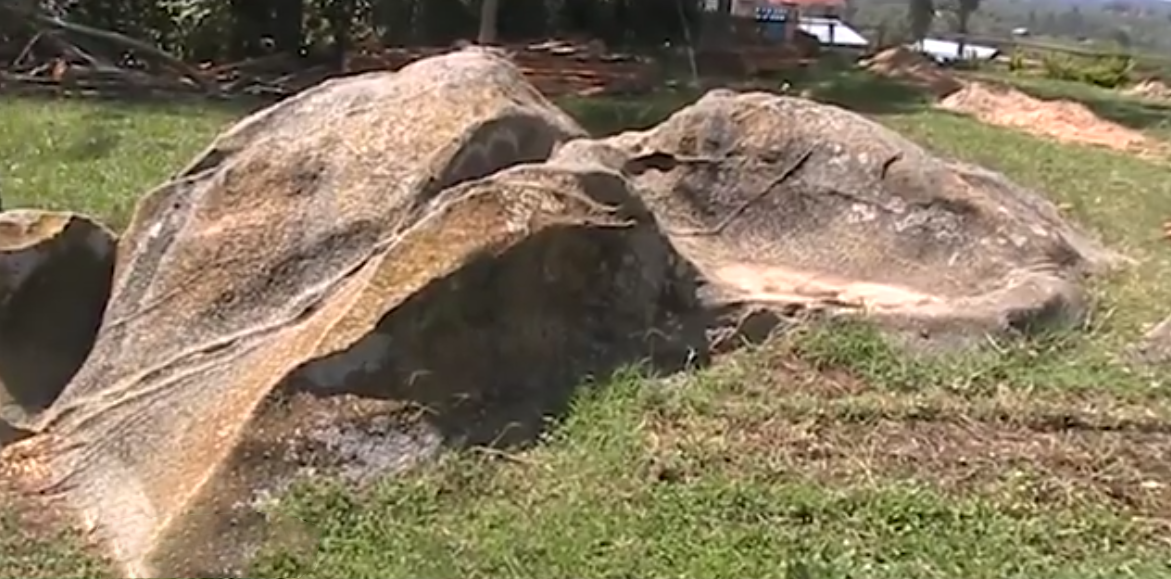
A stone in front of Bucence COU marks the spot where missionaries sat with King Makobore of Rujumbura to discuss starting a church
He added, "We shall craft drums, put up pictures, and share the history of those who served this church in the past, so people and future generations can learn about the revival that came to Kigezi."
According to Canon Kazoora, the church will be refurbished and formally recognized in the history of the Church of Uganda.
Rev. Canon Herbert Sabiiti, the former dean of North Kigezi Diocese, emphasized the significance of the church’s arrival in an area previously hindered by traditional barriers of tribe, clan, and gender boundaries under traditional rulers.
Today, North Kigezi Diocese continues to grow in strength, both numerically and in service. The Diocese currently has 13 Archdeaconries, 80 parishes, and 220 sub-parishes.
Torch Media Africa



