Written By | Fashion and Design Desk
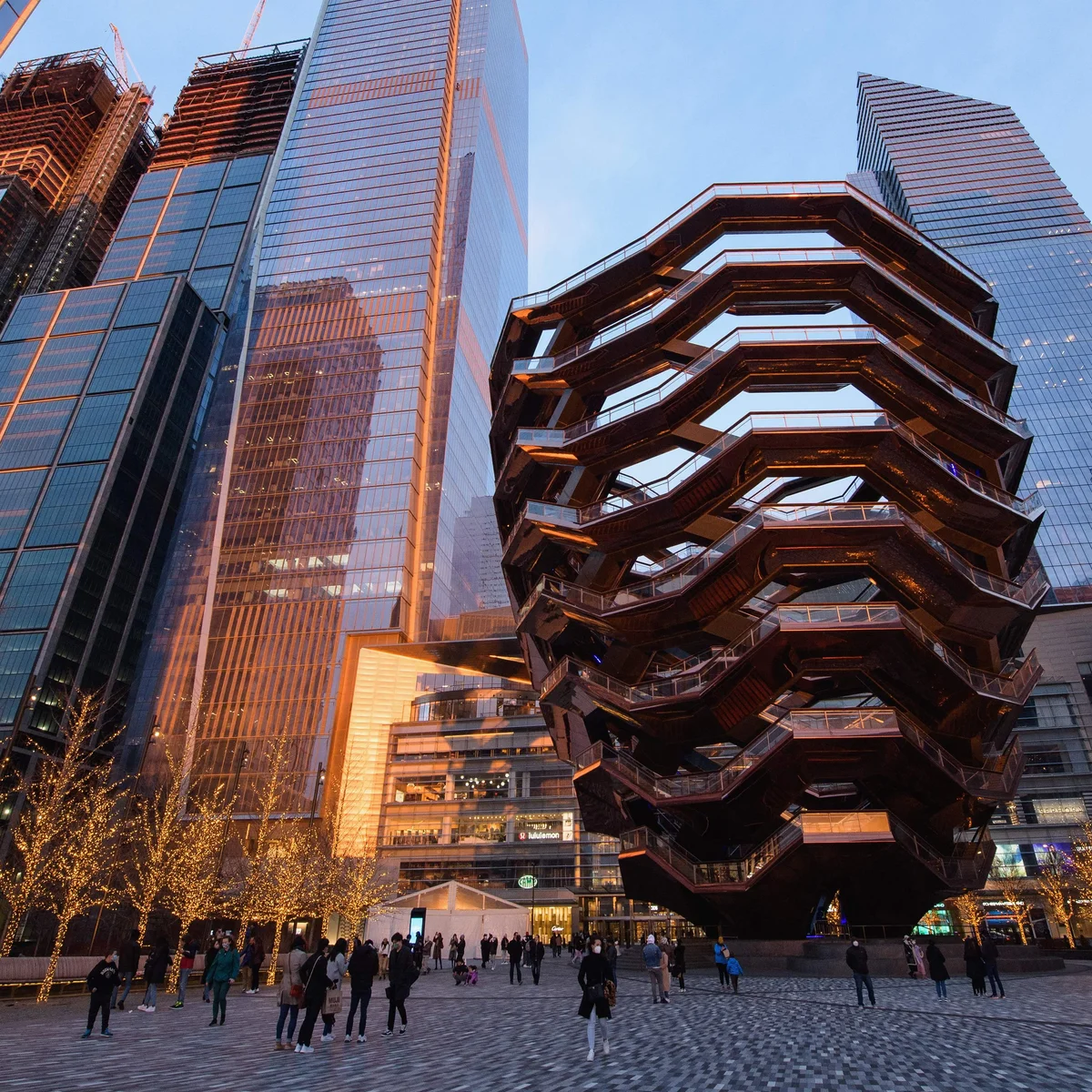
Thomas Heatherwick's Humanise campaign has launched a £1.5 million research effort into why dull buildings harm us and what better ones could do.
LONDON
Walk down almost any high street in Britain and you will see them: glassy boxes, beige blocks, buildings that seem designed to be forgotten. Thomas Heatherwick has a word for this, the "blandemic," and this week his Humanise campaign announced a £1.5 million research initiative to measure what it costs us.
The Campaign
Humanise was launched by the British designer behind the Olympic cauldron and London's Coal Drops Yard, and it argues that architecture has a human problem. Its core claim is blunt: "We have spent 100 years making buildings that few people love," Heatherwick has said. "They get demolished and replaced...because nobody cares." The new research funding, reported by Dezeen on October 1, aims to build an evidence base for the idea that how a building looks affects how people feel and how long the building survives.
What the Evidence Says
The campaign's published figures are striking. Seventy-six percent of UK residents believe buildings affect their mental health. Fifty-two percent want a say in local architectural decisions. Sixty-five percent say it is important that new buildings have interesting exteriors. The campaign also cites research suggesting that dull buildings raise cortisol levels, a marker of stress.
Then there is waste. About 50,000 UK buildings are demolished every year, generating roughly 126 million tonnes of waste. If buildings were loved enough to last, the argument goes, much of that churn would disappear. Emotional design, in other words, doubles as environmental policy.
Three Principles
Humanise distills its philosophy into three ideas. The first is that emotion is a function: how a building makes people feel is part of what it is for, not decoration. The second is 1,000-year thinking, designing with the expectation that buildings should endure and be cared for rather than replaced. The third is "door distance," a call to concentrate visual richness within about two meters of the entrance, where people actually experience a building.
Heatherwick has set out the thinking in a book, 'Humanise: A Maker's Guide to Building Our World,' published by Penguin. The artist Grayson Perry is among the campaign's supporters.
A Week of Design News
The announcement lands amid a busy stretch for the built environment. Dezeen reported Benthem Crouwel's plan to add a fish passage and cycle route to the Netherlands' Afsluitdijk dam and Carmody Groarke's completion of the Design Museum Gent extension, wrapped in white bricks made from waste. Populous unveiled a 70,000-seat Rach Chiec Stadium for Ho Chi Minh City. In Florence, the design duo Formafantasma was named creative director of the 800-year-old Officina Profumo-Farmaceutica di Santa Maria Novella. And Farshid Moussavi was awarded the Soane Medal.
Set beside these, Humanise's message is a reminder that headline projects are the exception. Most of what we live and work in is ordinary, and ordinary buildings shape daily life far more than any landmark.
Critics and Complications
Not everyone agrees on what makes a building lovable. Taste is subjective, and critics argue that ornament can be expensive, that planning systems and developers' margins drive blandness more than architects do, and that housing shortages make speed and cost the priority. Heatherwick's own work has drawn mixed reviews over the years.
The research initiative is partly an answer to that skepticism. By gathering data on health, wellbeing and building lifespan, the campaign hopes to move the conversation from opinion to evidence, giving planners and policymakers something concrete to weigh.
Why Emotion Belongs in the Brief
For decades, architectural debate has focused on cost, speed and compliance. Humanise's argument is that these are necessary but incomplete. If a building makes people feel something, whether delight, calm or pride, they are more likely to look after it, defend it and keep it. That is a design argument and a sustainability argument at the same time.
It also reframes familiar projects. A new school, clinic or housing block is not just a set of floor plans; it is a daily experience for hundreds of people, and the facade and entrance are where that experience begins.
What to Watch Next
The research funding is the real story here. If the work produces credible data linking building design to wellbeing and lifespan, it could influence planning guidance, procurement and public debate. If it does not, the campaign will still have raised a question that few developers have had to answer: who is this building for, and will anyone miss it when it is gone?
Either way, expect the conversation to continue through the winter, as design weeks and architecture awards pick up the theme.
What This Means for You
The ideas are useful even if you never commission a building. If you are renovating, think about the first two meters: the entrance, the door, the surfaces you touch every day. If you are a renter or homeowner, local planning consultations are where public voices matter, and the survey figure of 52 percent suggests many people would like to be asked.
For buyers and tenants, durability is a sustainability issue. A building people care for is a building that does not end up in the 126 million tonnes of demolition waste.
The Bottom Line
It is worth remembering that Britain is not short of ambition in design; it is short of consistency. Brilliant museums and bridges sit alongside miles of forgettable development. Humanise is effectively asking whether the everyday standard can rise to meet the exceptional, and whether data can help persuade the people who sign off on ordinary buildings that beauty is a worthwhile investment, not an optional extra.
Heatherwick's campaign is a bet that beauty is not a luxury but infrastructure. With £1.5 million behind it, the question of whether dull places make us unhappier may finally get a rigorous answer. If the findings hold, the case for building better, and for building to last, will be hard to ignore.
"We have spent 100 years making buildings that few people love. They get demolished and replaced...because nobody cares." — Thomas Heatherwick



