Written By | Evan Sande Ndahura

Evan Sande, the writer
From the first day of creation to the sixth, the biblical narrative presents a God who never abandoned His work midway. Each day built deliberately upon the previous one—light, sky, land, life—until creation stood complete. There was no haste, no retreat, no inconsistency. Consistency was the quiet but unstoppable fuel in the engine of divine innovation. The lesson is ancient yet urgent: greatness is never accidental; it is patiently constructed.
In an age intoxicated by overnight success, viral fame, and instant results, society has grown suspicious of slow progress. We celebrate outcomes while despising process. Yet history—when read without propaganda—teaches a stubborn truth: greatness is not a moment; it is a method. And that method is consistency.
Across civilizations and generations, enduring achievement has always been the child of repeated effort. Thomas Edison’s invention of the electric bulb was not the result of luck or sudden inspiration. It was the product of relentless experimentation, daily failure, and stubborn persistence. When asked about his many failed attempts, Edison famously replied that he had not failed but had discovered thousands of ways that did not work. What the world crowned as genius was, in reality, disciplined consistency wearing the mask of brilliance.
Nelson Mandela stands as one of the clearest moral giants of modern history. Yet Mandela was not forged on the day he walked out of prison to global applause. His greatness was sculpted in the routine humiliations of incarceration—through consistent self-control, continuous learning, and an unwavering commitment to principle. For 27 years, he trained his mind, mastered his anger, and prepared himself for leadership. By the time history summoned him, he was already formed. Aristotle captured this enduring truth centuries earlier: “We are what we repeatedly do. Excellence, then, is not an act, but a habit.”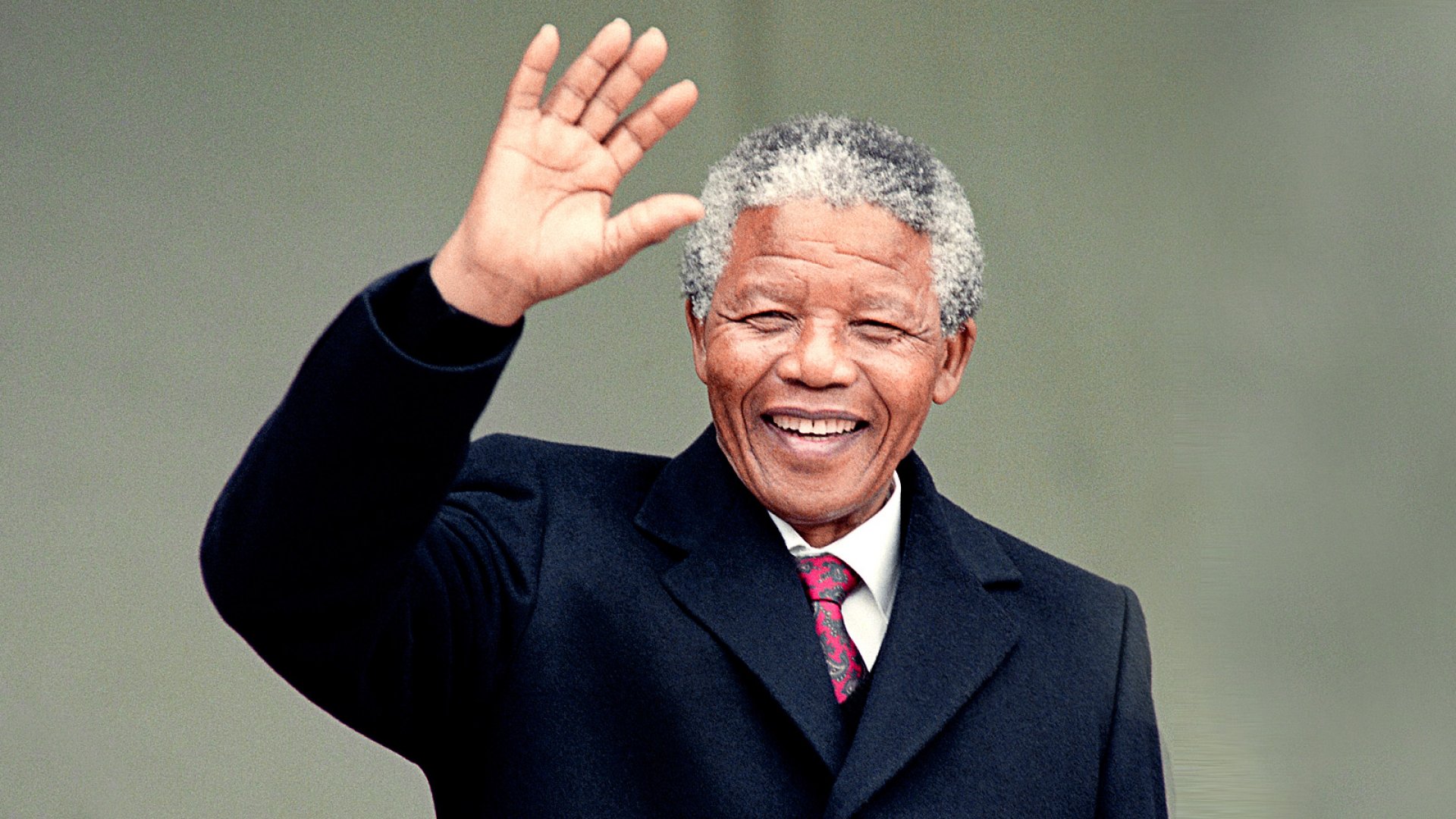
Nelson Mandela
Africa itself offers powerful illustrations of this law. Kwame Nkrumah did not stumble into Pan-Africanism; he consistently organized, wrote, mobilized, and educated until independence became inevitable. Julius Nyerere’s moral authority was not accidental; it was cultivated through consistent intellectual clarity and ethical discipline. Patrice Lumumba’s courage was not spontaneous—it was the product of a steady refusal to internalize colonial fear. These leaders were not flawless, but they were unwavering.
In the realm of African letters, greatness has equally been a patient construction. Chinua Achebe did not revolutionize African literature by chance. He consistently insisted on telling African stories from African perspectives until the global literary canon was forced to expand. Ngũgĩ wa Thiong’o’s decision to write in African languages was not a one-time rebellion but a consistent ideological commitment. As a result, his work became not merely literature but resistance. As Samuel Johnson once observed, “Great works are performed not by strength but by perseverance.”
The same law governs music and the arts. Fela Anikulapo Kuti did not become a revolutionary musician overnight. He practiced relentlessly, experimented boldly, and consistently fused sound with political consciousness until Afrobeat became both a genre and a weapon. Miriam Makeba’s global voice was built on years of disciplined performance and unwavering commitment to African dignity. What later generations celebrate as iconography was once dismissed as noise or nuisance.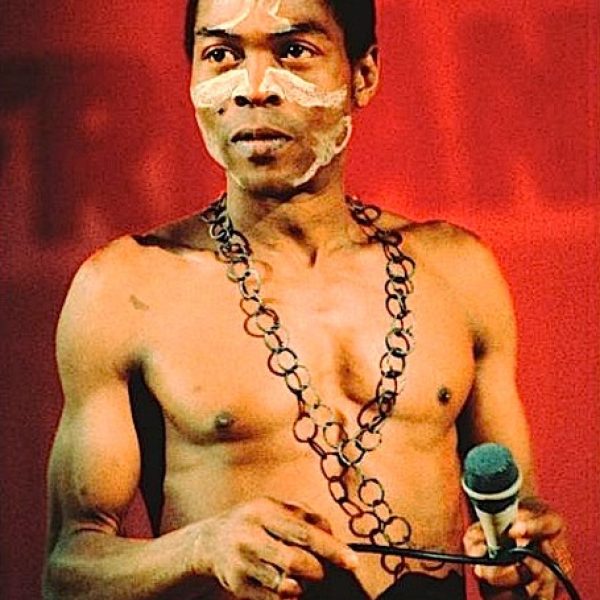
Fela Kuti
Sport perhaps reveals the mechanics of consistency most vividly. Great footballers, boxers, and athletes are not merely gifted—they are obsessively disciplined. Lionel Messi’s greatness lies not only in talent but in years of repetitive training, humility, and refinement. Muhammad Ali’s legendary confidence was anchored in ruthless preparation. Ali trained when others rested, declaring, “I hated every minute of training, but I said, ‘Don’t quit. Suffer now and live the rest of your life as a champion.’” In Africa, athletes who rise from obscurity do so through the same unromantic routine—training long before recognition arrives.
What unites inventors, freedom fighters, writers, musicians, and athletes is a single uncelebrated truth: repetition compounds. Consistency converts effort into mastery, discipline into excellence, and obscurity into legacy. Most greatness evolves unseen—mocked, misunderstood, or taken lightly—until time reveals what persistence has been building.
Philosopher Friedrich Nietzsche captured this principle with piercing clarity when he wrote, “The essential thing in heaven and earth is that there should be long obedience in the same direction.” Africa’s greatest setbacks—political, economic, and institutional—have often emerged not from a lack of talent but from a tragic inconsistency in values, leadership, and national purpose. Societies collapse when they abandon the discipline of continuity.
At the personal level, consistency is equally unforgiving. Many abandon effort too early, mistaking delay for denial. Yet every abandoned discipline is a greatness interrupted. Consistency does not promise immediate reward, but inconsistency guarantees failure.
The intellectual conclusion is unavoidable. Greatness is not a mystical gift reserved for the chosen few; it is a democratic possibility available to those who submit themselves daily to improvement. It is born in routine, matured through discipline, and revealed by time. Faith affirms it, philosophy explains it, and history confirms it.
If Africa is to rise—politically, intellectually, and economically—it will not be through dramatic declarations or emotional outbursts, but through consistent reform, consistent accountability, and consistent courage. Nations, like individuals, become great not by what they promise, but by what they repeatedly practice.
Greatness, therefore, is not inherited. It is constructed. And its only legitimate parent is consistency.
Torch Media Africa



