Written By |
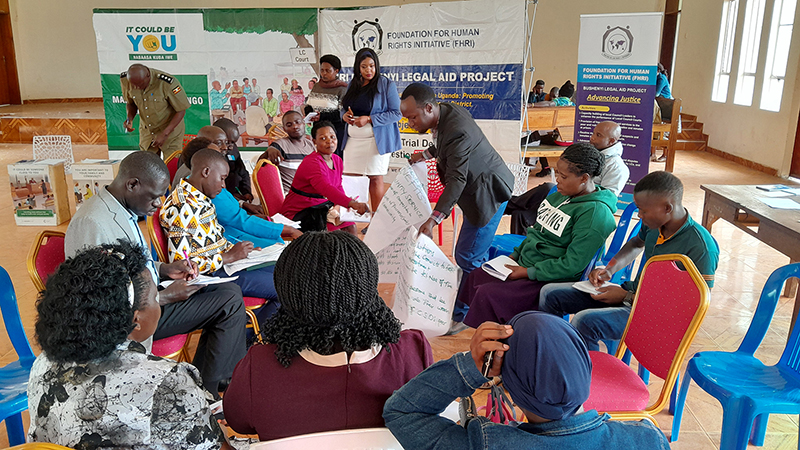
The leaders warned that without stronger supervision structures and more community sensitization, community service will remain ineffective in reforming offenders.
By Our Reporter
Bushenyi
Leaders of government institutions in Greater Bushenyi have called for stricter guidelines and stronger supervision of community service sentences, arguing that loopholes are allowing offenders to dodge punishment. Community service is one of the alternative sentences given mainly to first-time offenders. Under the program, offenders are required to provide free labour in government institutions such as police stations, schools, health centres, and sub-county or district offices. Typically, this involves working two hours a day, five days a week, for one month to complete 40 hours.
However, leaders say weak supervision has left many offenders unmonitored, with some failing to complete their sentences.
The concern was raised on Friday, September 25, 2025, during a one-day training workshop for placement supervisors, held at Bushenyi District Multipurpose Hall and organised by the Foundation for Human Rights Initiative (FHRI).
The meeting was attended by police officers, district community development officers, head teachers, and health centre in-charges. Participants highlighted that only one community service supervisor oversees all five districts of Greater Bushenyi—Bushenyi, Sheema, Rubirizi, Mitooma, and Buhweju—making effective monitoring nearly impossible.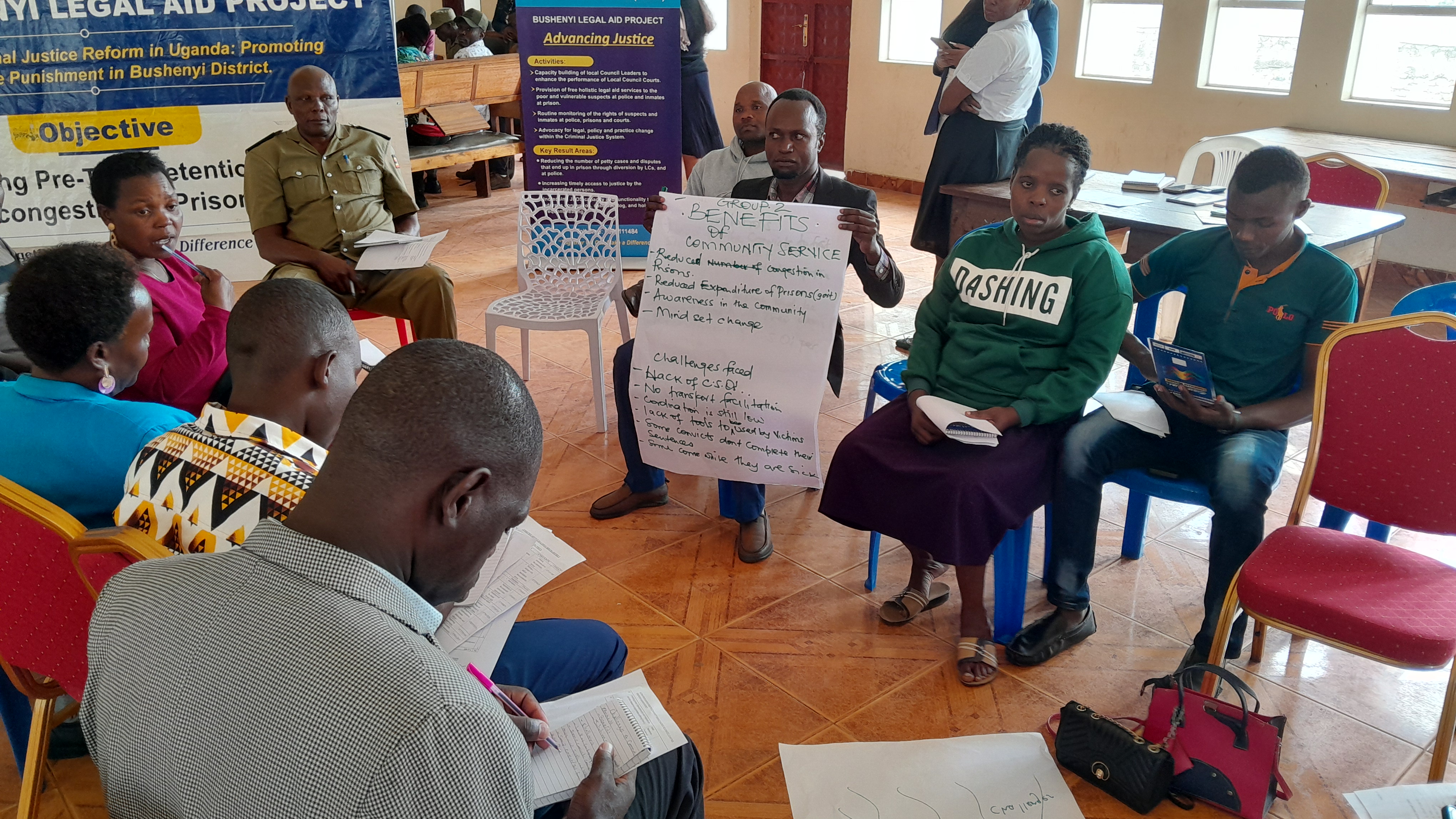
The leaders warned that without stronger supervision structures and more community sensitization, community service will remain ineffective in reforming offenders.
Joash Tamale, team leader at FHRI’s Bushenyi office, said the project, which began in 2022, aims to deepen criminal justice reform and promote alternative sentences.
“Community service is one such sentence where offenders are required to provide labour to government institutions like police stations, schools, and health centres. The training for placement supervisors was meant to strengthen the program and create awareness about it,” Tamale said.
Health centre in-charges also raised concerns. Amutuhaire Prossy, in-charge of Kyeizooba Health Centre III in Bushenyi, said many offenders brought in for community service are often unwell and end up being hospitalized instead of working. “They sometimes lack supervision because we cannot leave them to work alone in our facilities. Some are thieves, and we cannot trust them,” she noted.
ASP Tumwesigire Joram, officer-in-charge of Kizinda Police Station, said some offenders also resist doing community service in their own localities. “They are required to work in their communities, but many fear being lynched by residents who believe they deserve harsher punishment. There is a need to sensitize the public about community service as a legal punishment,” he said.
Torch Media Africa



