Written By | Health News Agencies
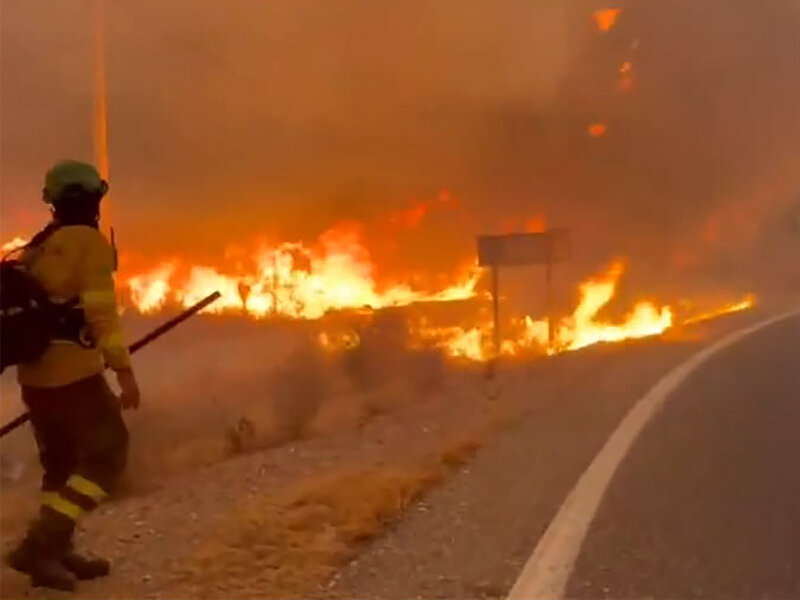
An unprecedented early-summer heatwave sent Spain's mercury past 40°C and left more than 1,000 people dead in a single month — the worst June for heat deaths since records began
MADRID, Spain
The numbers landed like a gut punch: 1,029 people dead in Spain in a single month, killed not by a virus, a war, or an accident, but by heat alone. Spain's Ministry of Health confirmed this month that June 2026 was the deadliest June for heat-related deaths since the country began tracking them in 2015 — more than double the toll from the same month just one year earlier.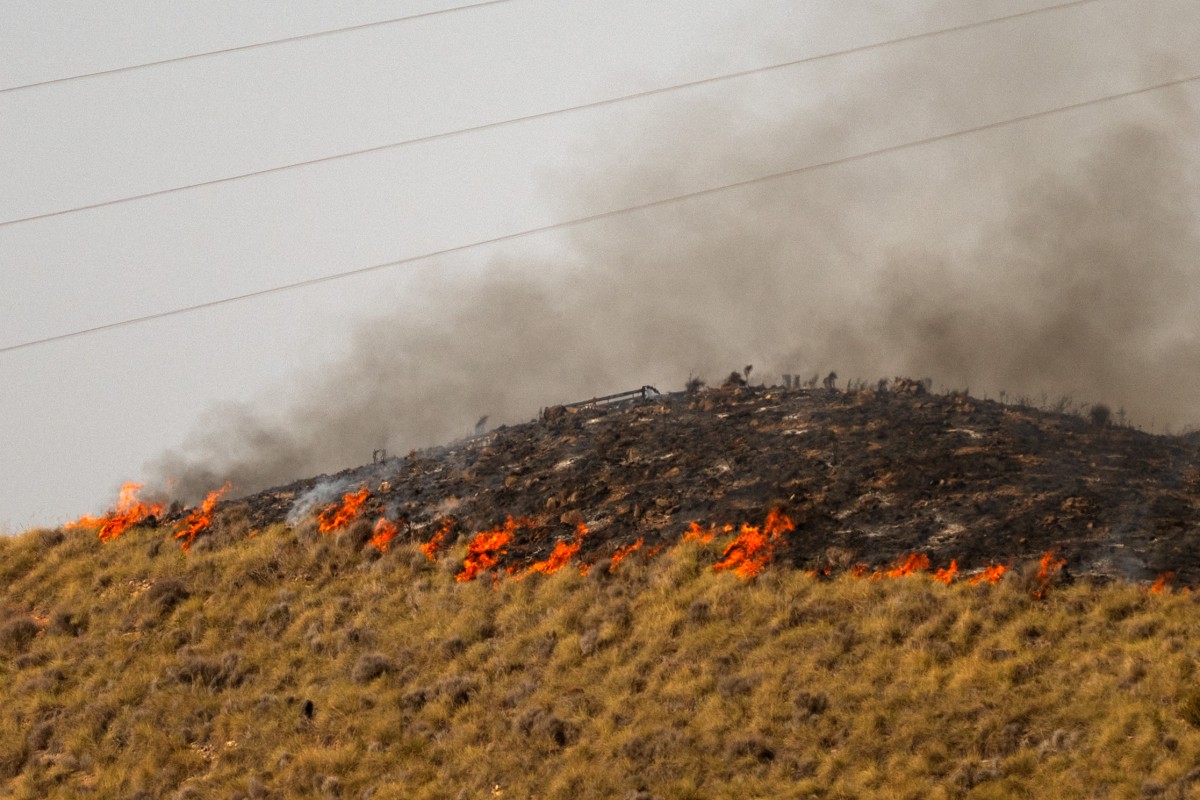
A Month That Broke Records
The killer heatwave that swept across the Iberian Peninsula in late June didn't creep in quietly. It arrived like a hammer. Spain's national weather agency, AEMET, confirmed June 2026 as the country's second-hottest June on record — narrowly behind only June 2025 — with average temperatures running 3.2°C above normal for the month. At the peak of the crisis, June 22 and 23 registered the hottest June days recorded anywhere in Spain since 1950, with national average temperatures hitting a scorching 28.17°C and 28.08°C respectively — figures that don't capture the far higher peaks recorded in individual cities, where thermometers pushed well past 40°C in parts of Andalusia and Extremadura.
At the very height of the heatwave, an estimated 35.7 million people — roughly 73% of Spain's entire population — were living under conditions officially classified as posing a health risk, according to national heat-alert monitoring. Of those, 38% were under the highest tier of risk, the kind of extreme heat exposure doctors associate with a sharp spike in heatstroke, cardiac events, and death, particularly among the elderly.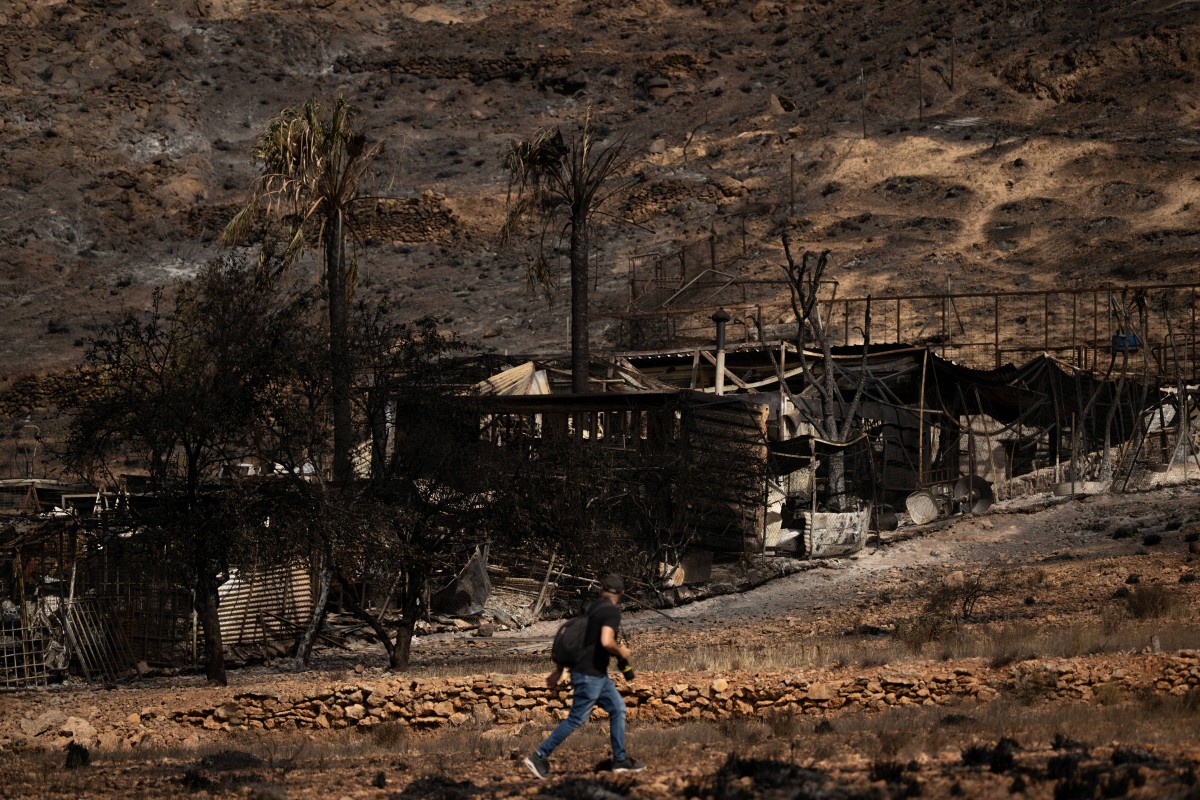
How the Death Toll Was Confirmed
Spain's mortality-tracking system, known as MoMo (Monitoring of Daily Mortality), is what caught the scale of the damage in near-real time. MoMo cross-references daily death counts against historical baselines to calculate "excess deaths" — deaths above what would normally be expected for that time of year — and attributes the surplus to heat when the timing and geography line up with extreme temperature events. For June 2026, that surplus came to 1,029 deaths, according to the Ministry of Health's own tally — more than double the 407 heat-attributed deaths recorded in June 2025, even though last year's June was nominally the hotter of the two on paper.
Health officials say that discrepancy is telling in itself: it isn't always the single hottest day that kills the most people, but sustained, early-arriving heat that a population hasn't had time to adjust to physiologically. May 2026 had already set its own grim precedent, with 101 heat-attributed deaths — the highest figure for the month of May since MoMo tracking began. Taken together, Spanish officials say the first half of 2026 is now the hottest six-month stretch the country has ever recorded, with national average temperatures running 1.6°C above normal since January.
“Our Bodies Have Not Yet Acclimatised”
Spain's Health Minister, Mónica García, addressed the mounting toll directly while unveiling the government's 2026 National Plan for Preventive Action on the Health Effects of Excessive Temperatures — a framework designed to coordinate hospitals, emergency services, and local governments ahead of extreme heat events.
"The problem is no longer just that it is hotter," García said. "It is that the heat is arriving earlier and earlier, and our bodies have not yet acclimatised."
That single line captures what climate scientists have been warning about for years: it isn't only the raw temperature that kills, it's the timing. A 40°C day in August, when bodies have spent weeks adjusting to summer heat, is dangerous. The same temperature arriving in the third week of June, on the heels of a relatively mild spring, catches the body — and especially aging cardiovascular systems — off guard.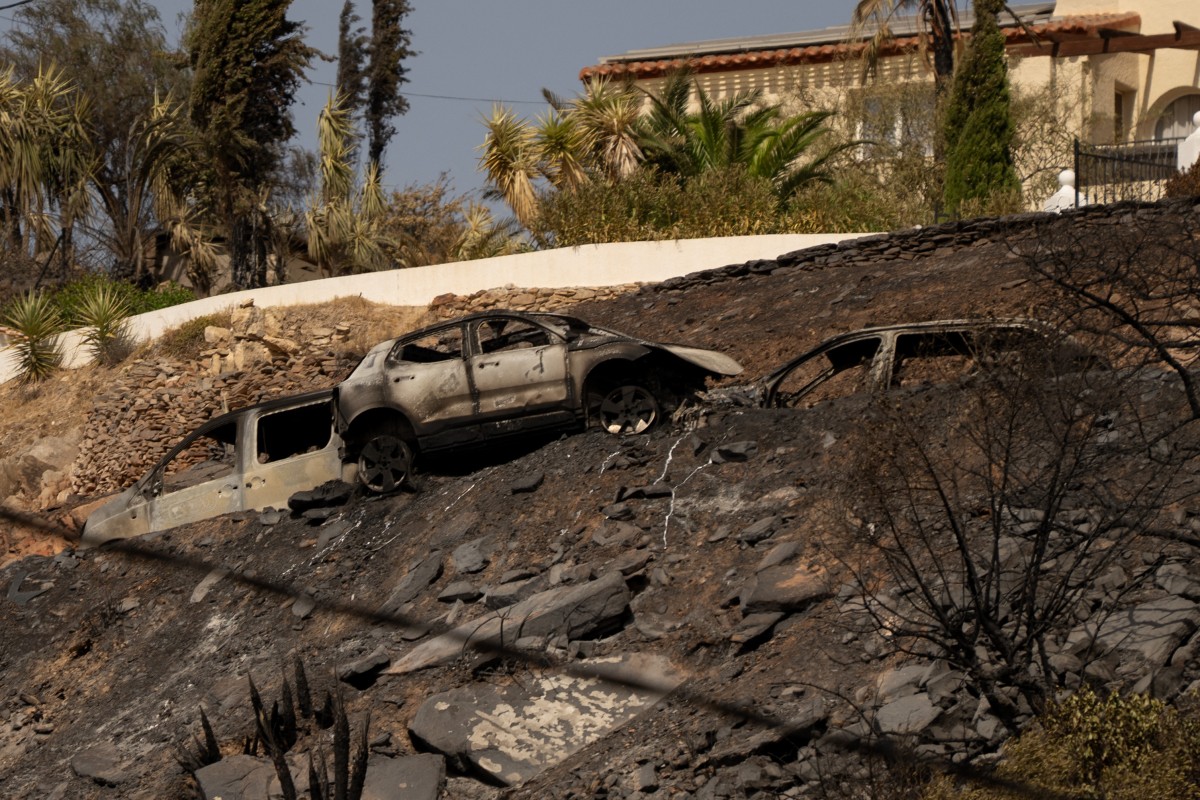
Who's Actually Dying
Public health data from heatwaves across Europe paints a consistent and troubling picture of exactly who bears the brunt of these deaths — and it isn't randomly distributed across the population. Elderly people living alone, particularly those without air conditioning, are dramatically overrepresented in heat mortality statistics. A broader rapid analysis of deaths across the wider European heatwave — which also battered France, Germany and Italy through the same late-June weather system — found that in France alone, roughly 85% of the more than 1,000 excess deaths recorded during the country's red-alert period were among people aged 65 and older, many found dead alone in private homes without cooling. Separate rapid mortality modelling of the broader continental event put the toll across France, Germany, Spain and Italy combined considerably higher still, underscoring how differently "official" excess-death tallies and rapid epidemiological estimates can read the same disaster.
Doctors treating heat-related illness point to a grim but simple pattern: heatstroke and cardiovascular collapse from extreme heat often develop quietly, over hours, in people who live alone, don't have air conditioning, and may not recognize the early warning signs — confusion, dizziness, a racing heart — as a medical emergency until it's too late. Unlike a hurricane or a flood, a heatwave leaves no visible wreckage. It kills invisibly, mostly indoors, mostly among people nobody is checking on.
Climate Scientists Say the Verdict Is In
For the scientific community, the question of whether climate change is driving these escalating death tolls isn't really in dispute anymore — it's a matter of quantifying by how much. The World Weather Attribution initiative, a consortium of climate scientists who conduct rapid analyses of extreme weather events, concluded that the late-June heatwave that battered Spain and the rest of southern Europe was among the most severe ever recorded on the continent, and — using established climate modeling techniques that compare today's warmed climate against a pre-industrial baseline — found the event would have been "virtually impossible" to occur in June without the influence of human-caused climate change.
That assessment tracks with a broader body of research showing European heatwaves have intensified sharply just in the past few decades as fossil fuel emissions have continued to warm the atmosphere. Scientists studying the pattern say Europe is warming faster than the global average, and southern European countries like Spain, Italy and Greece — already prone to hot, dry summers — are experiencing the sharpest escalation in both heatwave frequency and intensity of anywhere on the continent.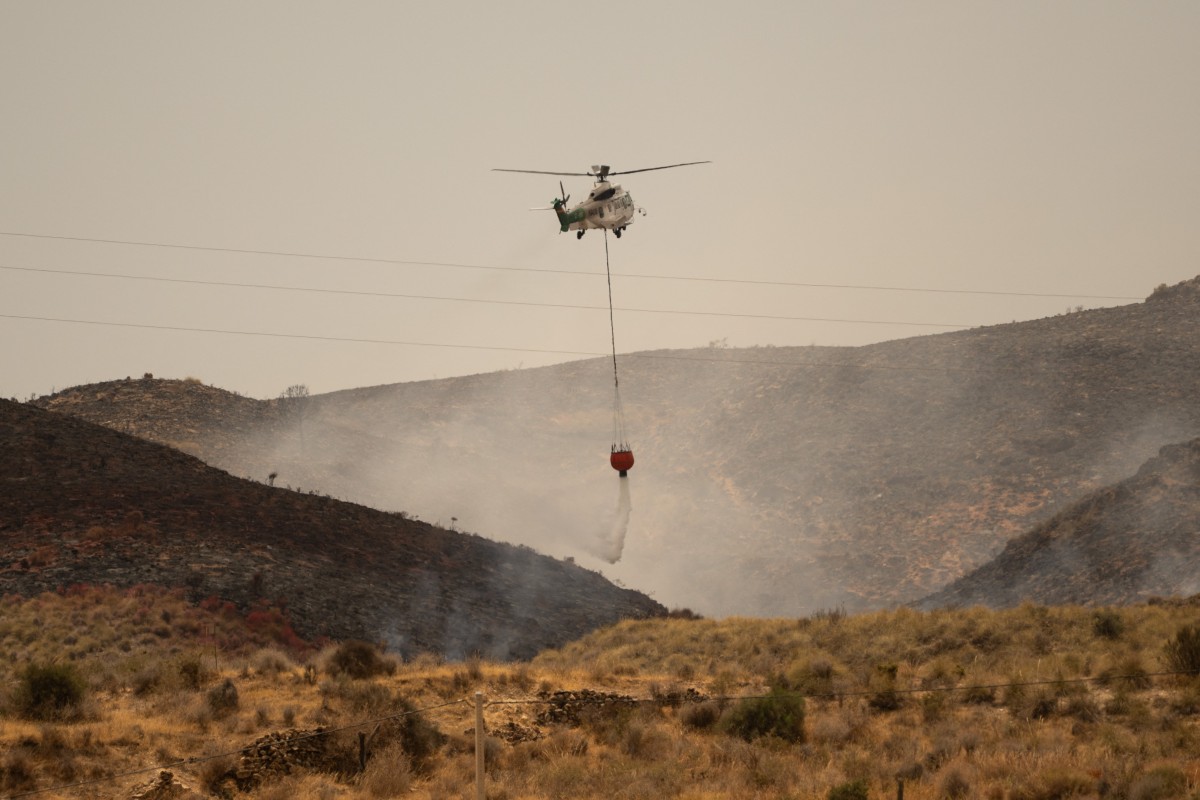
Not Spain's First Brush With Deadly Heat
Spain, like much of southern Europe, has a long and painful history with extreme heat. The catastrophic European heatwave of 2003 is estimated to have killed tens of thousands of people across the continent, and it became a turning point that pushed governments to build the very mortality-surveillance systems, like MoMo, now flagging this year's toll in real time. A follow-up wave of deadly summers in 2019, 2022 and 2023 each set their own records for heat-related deaths across Spain, Portugal, France and Italy, prompting a wave of new heat-action plans, early-warning alert systems, and public awareness campaigns urging residents to check on elderly neighbors.
What makes 2026 different, researchers say, isn't a single record-shattering day — it's the accumulation of records falling one after another, month after month, since the start of the year. A record May followed by a record June, layered on top of what AEMET already classifies as the hottest first half of any year on the books, suggests to climate scientists that Spain isn't simply having one unlucky summer. It's watching the baseline itself shift upward, a trend consistent with projections that have circulated in climate literature for over a decade and are now showing up in mortality statistics rather than computer models.
Expert Perspective
Public health researchers tracking Spain's mortality data describe the June 2026 toll as a preview of a pattern that's likely to keep repeating, and worsening, absent major investment in heat adaptation — from expanding access to air conditioning and public cooling centers, to reforming building codes for better passive cooling, to creating formal check-in systems for elderly residents living alone during heat emergencies. Several European nations have begun piloting exactly these kinds of measures in the wake of repeated deadly summers, including neighborhood-level wellness checks during red-alert heat days and subsidized cooling units for low-income elderly residents.
Epidemiologists studying heat mortality caution that official MoMo-style excess-death counts, while considered a gold standard for tracking heat's true toll, likely still undercount the real number, since many indirect heat deaths — a heart attack triggered by heat stress days after exposure, for instance — are recorded under a different primary cause and never formally attributed back to the heatwave that triggered them.
What This Means for You
Even outside Spain, the message from public health officials is the same: heat is quietly one of the deadliest weather phenomena on the planet, and it is becoming more dangerous every year, arriving earlier in the season before bodies have had time to adjust. Health experts recommend a short list of precautions that sound almost too simple, but save lives every single summer: check on elderly relatives and neighbors daily during heat warnings, especially those living alone; avoid strenuous activity during peak afternoon heat; stay hydrated with water rather than alcohol or caffeine; know the warning signs of heatstroke — confusion, hot dry skin, a rapid pulse, and loss of consciousness — and treat it as a medical emergency requiring immediate cooling and urgent care; and never underestimate a heatwave that arrives "early," since an unacclimatized body is often at greater risk than one facing the same temperatures later in the summer.
The Bottom Line
Spain's 1,029 heat deaths in June 2026 are not an anomaly — they're a data point in an accelerating trend that climate scientists have been forecasting for years and that is now arriving on schedule, and ahead of it. As southern Europe braces for what meteorologists warn could be an even hotter July and August, the deadliest June on record may not hold that grim title for long.
This article is for informational purposes and does not constitute medical advice. Readers concerned about heat-related illness, especially for elderly or vulnerable family members, should consult a healthcare provider or local public health authority.



