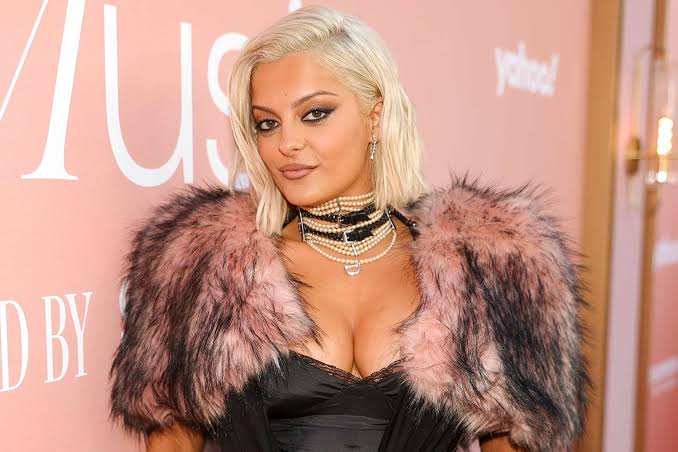
With 'Dirty Blonde,' the pop chameleon leaves the major-label machine behind and delivers the most honest record of her career — a visual album on her own terms.
NEW YORK
Two days ago, Bebe Rexha dropped what she calls her rebirth. Dirty Blonde — her fourth studio album and first as a fully independent artist — arrived on June 12, accompanied not by radio plugs and late-night appearances, but by music videos for every single track, released simultaneously. It is a visual album built for the streaming age.
Reviews are rolling in. Critics note that Rexha — known mostly for collaborations with G-Eazy, Florida Georgia Line, and David Guetta — has delivered a record that sounds nothing like what a major label would have approved: rawer, stranger, more genre-fluid, and more emotionally direct.
The Exit and the Reinvention
On January 11, 2026, Rexha posted a cryptic message on X describing her departure from what she called the "Khia asylum." She was done with her major label. She signed with EMPIRE, the independent powerhouse, for creative freedom.
Rexha, 36, had spent years writing hits for others before achieving her own success. She knew what the major system cost her: delayed albums, killed singles, an identity shaped by market research. "This next chapter is about trusting my voice," she said.
In under six months, she assembled 14 tracks, shot videos for all of them, and released a cohesive statement. Her previous studio album took over three years.

The Sound of Creative Freedom
On Dirty Blonde, freedom sounds like many things at once. Rexha has always been a pop chameleon — comfortable in country, EDM, and singer-songwriter territory — but this album treats genres as suggestions. NPR described it as blending "EDM, pop and country, among others."
The singles chart the collection. "New Religion" (with Faithless) opens with euphoric energy. "Sad Girls" (with David Guetta) taps a melancholy dancefloor vein. A Diplo "Super Dirty Cut" megamix reimagines the sequencing entirely — the kind of extra-credit collaboration a major label would have killed.
"Being with Empire now, I finally feel understood," Rexha told NPR.
The Visual Album as Strategy
Releasing every music video at once reflects a sophisticated understanding of 2026 music consumption: audio platforms compete with short-form video. Each track gets its own visual identity and entry point. The model — pioneered by Beyoncé — is no longer exclusive to the ultra-famous.
The Reception
Critical reaction is mixed, as it tends to be for genuine creative risks. User scores sit at 69/100 — respectable rather than rapturous. But the consistent throughline is surprised respect: Rexha has finally made the record she always had in her.
What It Means
Dirty Blonde arrives amid a broader conversation about major-label dominance. From Taylor Swift to smaller acts, distribution deals now offer what once required the full label machine. Rexha's move to EMPIRE is the latest high-profile example.
Whether the album becomes a blockbuster or a critically admired left turn, it has already achieved something significant: Bebe Rexha, on her own terms, finally.
Published By | Features Editor