Written By |
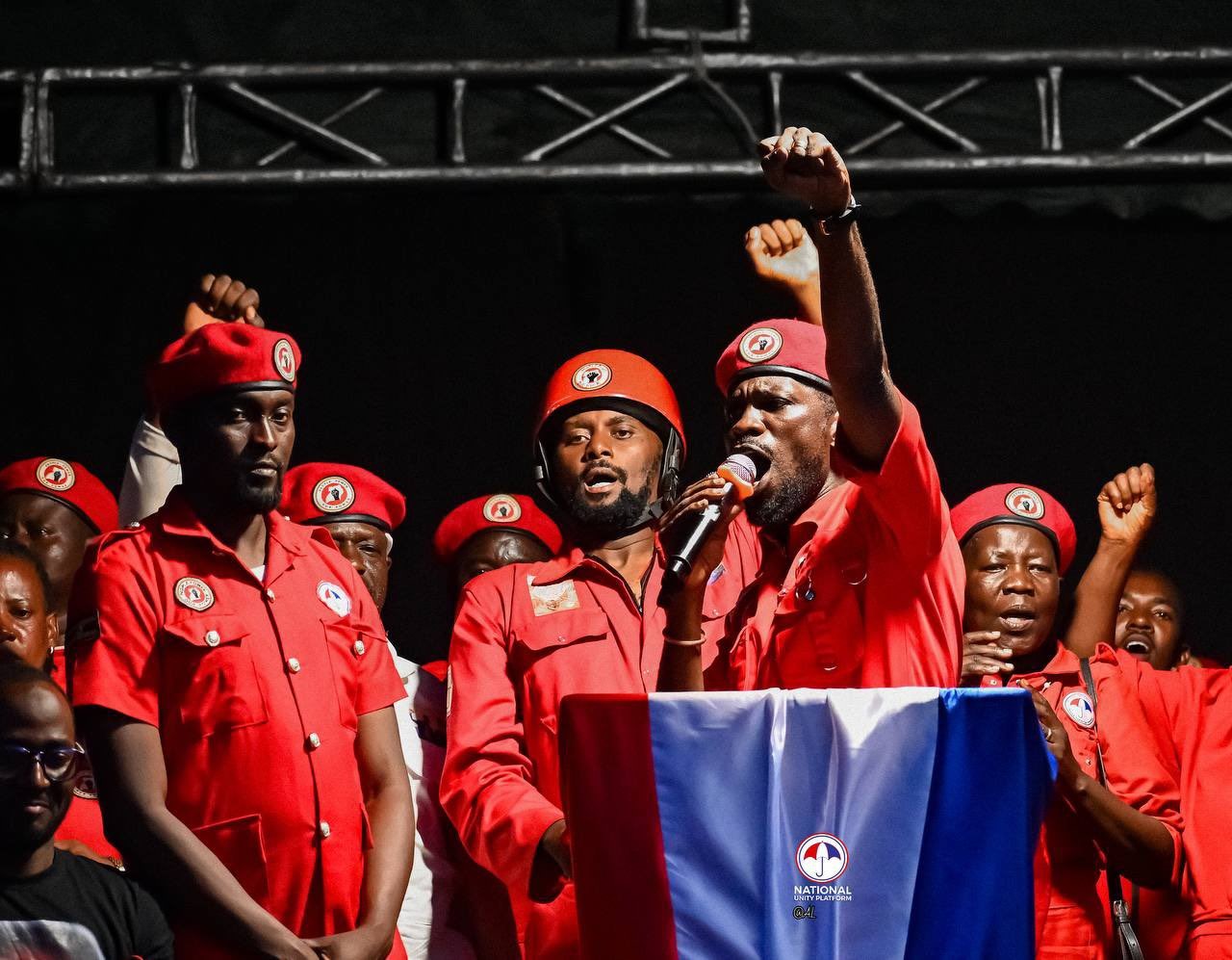
NUP Leaders: The party is under scrutiny over funds from the Electoral Commission
The Auditor General has raised concerns about the accountability submitted by the National Unity Platform (NUP) for the sh12b received from the Electoral Commission (EC) over three financial years. The funds were allocated to NUP for their activities in the financial years 2021/2022, 2022/2023, and 2024/2025.
In a report released in June this year, the Auditor General noted that billions of shillings advanced to the party by the EC could not be accounted for. Additionally, the Auditor General questioned the transparency of the procurement processes for goods and services that NUP allegedly engaged in, noting that they lacked transparency, involved unfair competition, were inflated, and did not comply with the Public Procurement and Disposal of Public Assets Authority (PPDA) Act.
The report also criticized NUP for procuring goods from companies that were not duly registered, resulting in unpaid taxes amounting to millions of shillings. The Auditor General revealed that the Government, through the EC, released sh12.6b to NUP, with sh5.75b for the financial year 2021/2022 and another sh5.75b for 2022/2023. For 2023/24, the Auditor General only reviewed the sh1.14b released to NUP for the first quarter. The objective of the audit was to ensure that the funds were used in compliance with the law and aligned with the Public Finance Management Act, the Income Tax Act, and the PPDA Act.
The Auditor General noted that a land purchase agreement dated March 3, 2022, shows NUP entered into an agreement to purchase land on Block 28, Plot 516, measuring 0.3000 hectares, from Joseph Nansagga Lwanga for sh1.5b. The agreement was signed by party president Robert Kyagulanyi (Bobi Wine), Secretary General Lewis Rubongoya, and national treasurer Benjamin Katana, and witnessed by Kyagulanyi’s brother and NUP mobilizer Fred Nyanzi Ssentamu and leader of opposition and Nakawa West legislator Joel Ssenyonyi.
The payment was made in two installments: sh1.23b on March 22, 2022, and sh270m on March 28, 2022. However, there was no land valuation report to justify the purchase, according to the Auditor General.
“Further reviews revealed that the party purchased additional land to expand the party headquarters at a cost of sh890m from the same seller,” the report noted.
The Auditor General stated that all the funds were withdrawn from the bank and paid in cash, posing a risk of misuse and theft. The additional purchase appeared excessively inflated compared to the original purchase, with the second plot being bought at more than twice the price of the first plot per hectare.
The report further noted that there was no evidence of valuation by the Chief Government Valuer to determine the fair market value of the land purchase totaling sh2.3b. There was also no evidence of land transfer two years after purchase, exposing the property to possible encroachment.
The Auditor General suggested that the purchases might not have been conducted at arm’s length and that the property values might have been inflated to justify the cash payment of sh2.39b for the land. NUP was advised to provide supporting evidence of the transfer of title by the seller to the party, including evidence of stamp duty payment for both pieces of land. The party was also advised to engage an independent valuator to determine the fair market value before purchasing properties and to transfer the property into its name.
The Auditor General found that NUP could not account for sh730m, noting that the Treasury Accounting Instruction 2017 requires all imprest/advances to be retired within 60 days upon completion of the activity or by the close of business on the last working day of the financial year.
“We reviewed cash expenditure payments for various purchases and activities by the party and noted that NUP staff had not fully accounted for monies advanced to them totaling sh730m,” the Auditor General reported.
The Auditor General also questioned several party officials who signed for money but did not properly account for it, including Nyanzi Ssentamu, Mercy Walukamba, Sarah Muwonge, Rubongoya, Wallen Akandonda, Shifra Rukundo, David Musisi, Rahma Juma, Faridah Nabatanzi, and Moses Kibuuka.
There was also a doubtful expenditure of sh553m, with the Auditor General noting that all payments to suppliers, mobilizers, and staff were made in cash. Some accountability documents appeared forged or not genuine.
The Auditor General found that NUP used direct procurement methods for all purchases of goods and services, which does not guarantee competition, transparency, or value for money. All the service providers and suppliers of goods sampled were neither registered enterprises with the Uganda Registration Services Bureau nor the Uganda Revenue Authority, suggesting they were either non-existent or fictitious briefcase companies.
The audit showed that sh1.9b worth of procurements were done without deducting withholding tax (6%) totaling sh114m, contrary to the Income Tax Act. Additionally, there were no goods received notes to confirm delivery of items like T-shirts and food.
The Auditor General noted that NUP paid monthly consolidated allowances to its officials, ranging between sh45m and sh58m per month. For the period under review, sh656m had been paid.
The Auditor General observed that these payments, being monthly consolidated payments, qualify as income and are thus liable to income tax. However, income tax was not deducted from the payments made to the party leaders and staff, contrary to the Income Tax Act.
The party paid allowances in cash without formal approved terms of employment and roles for each party official. In some cases, the intended beneficiaries did not sign for the funds received. Without formal terms and conditions, it was difficult to determine how the rates payable to each official were determined.
Despite the legal framework defining administrative structures for political parties, NUP failed to establish a policy of subsistence allowances paid to individual party officials.
EC spokesperson Julius Mucunguzi noted, “The Auditor General is mandated by the Constitution to handle audits of all public institutions.” He added that all political parties receiving taxpayers’ money are audited whenever they submit accountabilities.
NUP deputy spokesperson Alex Waiswa Mufumbiro said they were not privy to the Auditor General’s report but noted that the issues raised could be explained by the party. “All the things they are raising can be investigated and made public. If there is a query, this can be raised to the party and answered,” Mufumbiro said.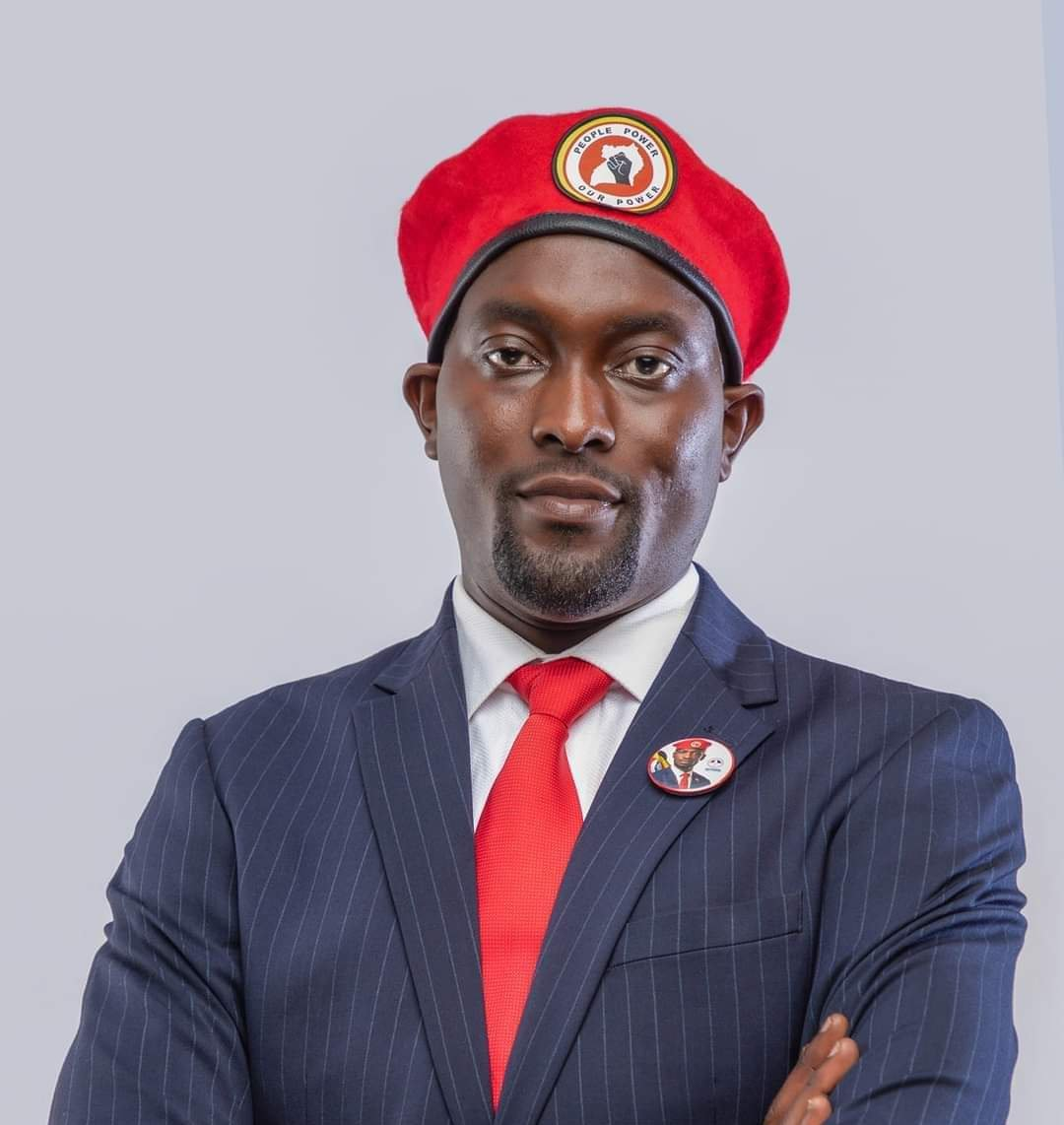
Waiswa Mufumbiro
A senior auditor from the office of the Auditor General clarified that they audited all political parties that received funding from the government, including the ruling National Resistance Movement, NUP, Forum for Democratic Change, Uganda People’s Congress, and Democratic Party. However, the senior auditor observed that their findings in other parties were negligible. “It is largely NUP that had accountability issues.”
Torch Media Africa



