Written By |

11 countries have reported confirmed cases of Mpox in the past four weeks
Health Agencies
The outbreak of Mpox continues to escalate across Africa, according to officials from the World Health Organization (WHO). In a report released by the WHO African Region on October 8, Mpox was declared a Public Health Emergency of International Concern, with 17 African countries affected between 2022 and 2024. Of these, 11 countries have reported confirmed cases of Mpox in the past four weeks, indicating ongoing transmission. The disease primarily spreads through person-to-person contact, the report noted.
Dr. Charles Okot Lukoya, WHO Incident Manager in Uganda, highlighted that no Mpox-related deaths have been reported in Africa in the past seven weeks. Furthermore, Cameroon, Guinea, and Gabon have reported zero Mpox cases over the past five weeks.
“We aim for Uganda to reach a similar status, where no new cases are reported,” Lukoya said.
However, the report indicates intense Mpox transmission in the Democratic Republic of Congo (DRC), Burundi, and Uganda. Uganda ranks third in Africa with 46 new confirmed Mpox cases over the last four weeks, bringing the country’s total number of cases to 108. The confirmed cases in Uganda span 16 districts, with Nakasongola and Kampala recording the highest numbers at 29 cases each. Wakiso follows with 19 cases, Mayuge with 11, and Kasese with 4. Other affected districts include Mityana (3 cases), Mukono, Nakaseke, and Masindi (2 cases each). Amuru, Kagadi, Adjumani, Kabale, Isingiro, Buliisa, and Dokolo have reported one case each.
Mpox treatment units with active admissions are located in Nakasongola, Wakiso, Mayuge, Nakaseke, Isingiro, Kabale, Buliisa, and Dokolo districts. As of October 6, 2024, the DRC remains the major transmission hub, recording 937 new confirmed Mpox cases, followed by Burundi with 602 cases.
Dr. Lukoya attributed the major driver of the outbreak in East Africa to the Clad 1b variant, which is circulating in DRC, Burundi, Kenya, and Uganda. In contrast, the Mpox outbreak in West Africa is driven by Clad 2. Globally, over 106,000 Mpox cases have been recorded.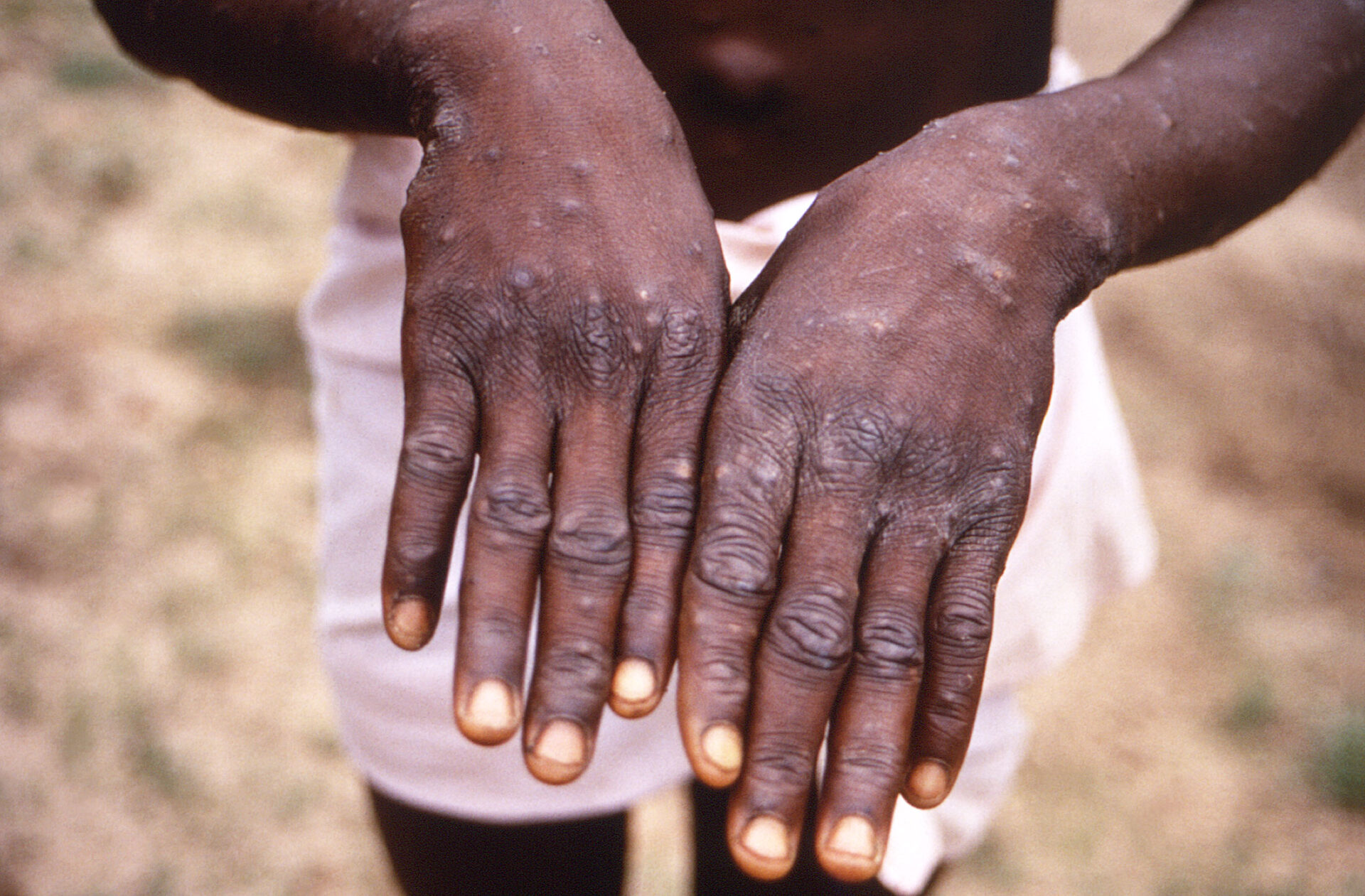
Dr. Henry Bosa Kyobe, the incident commander of Mpox prevalence at Uganda’s Ministry of Health, said the government is adopting a decentralised and targeted approach. Specific groups such as schools, prisons, and refugee centres are being prioritised for intervention. Health Minister Dr. Jane Ruth Aceng emphasized the need to focus on the communities where the infections are originating. She also underscored the importance of cross-border collaboration in controlling the epidemic.
As the government continues to respond to the Mpox epidemic, Aceng acknowledged the challenge of balancing public health measures with maintaining trade, travel, and tourism to avoid economic disruption, as witnessed during the COVID-19 pandemic.
“Striking a balance between trade, travel, and tourism is not easy,” Aceng remarked, revealing that two schools in Nakasongola and Wakiso have already been affected.
She called on development partners to avoid imposing unnecessary sanctions on trade and travel, urging them to instead support Uganda in controlling the outbreak.
On August 14, 2024, WHO officially declared Mpox a Public Health Emergency of International Concern.
How is Mpox Spread?
Mpox spreads through contact with infected animals, such as squirrels, rats, mice, and monkeys, when hunting, skinning, or cooking them. It also spreads through direct contact with infected persons, including touching, kissing, or sexual intercourse.
Signs and symptoms of Mpox
Skin rash
How to protect yourself from Mpox
Identifying Mpox
Mpox can be difficult to identify as it may resemble other infections like chickenpox, measles, bacterial skin infections, scabies, herpes, syphilis, or other sexually transmitted diseases. Laboratory testing is necessary to confirm Mpox.
Torch Media Africa



