Written By |
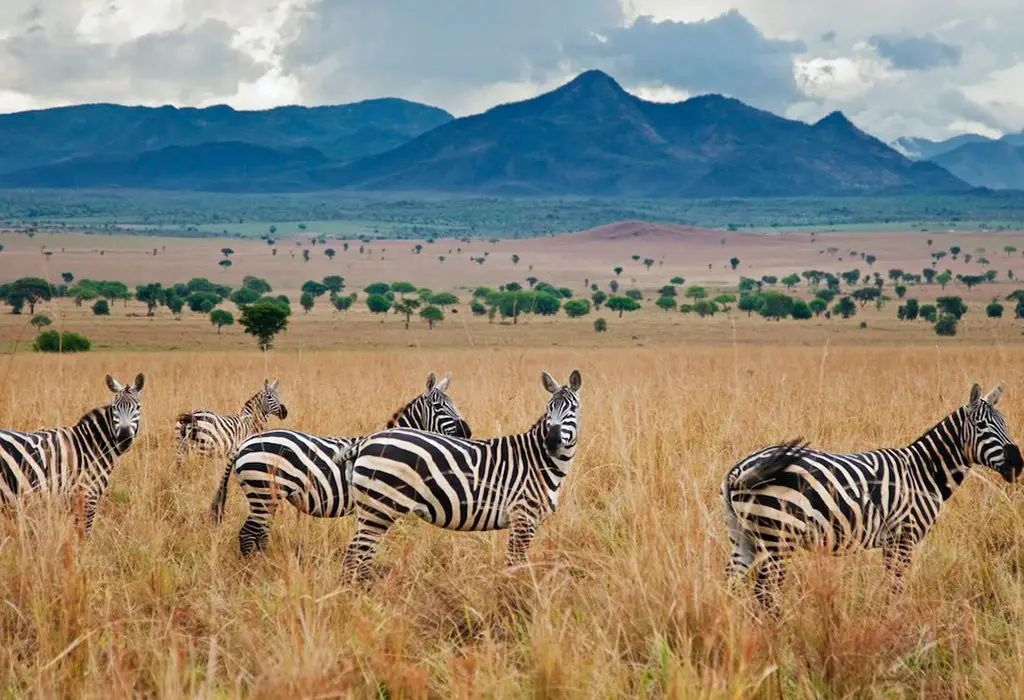
In the Karamoja badlands where three countries nearly touch, a national park too remote to be crowded is quietly completing its comeback — cheetahs, ostriches, and now rhinos included
Uganda Tourism Feature
Ask a Ugandan safari guide which park they would visit on their own dime, and an outsized number will say the same word: Kidepo. Not Bwindi, with its habituated gorilla families and camera-ready mist. Not Murchison, with its thundering, world-famous falls. Kidepo Valley National Park, tucked into the country's remote northeastern corner where Uganda's borders blur into South Sudan and, almost, Kenya, rewards travelers for the one thing most itineraries try to avoid: distance. Reaching it means an hour's charter flight over savanna and thornbush, or a full day's drive north through the Karamoja badlands past herds of long-horned Ankole cattle and manyatta homesteads that have changed little in a generation. What waits at the end is 1,442 square kilometers of open valley floor, ringed by mountains, that Uganda Wildlife Authority calls the country's finest yet least visited park — and this week, of all weeks, it is practically giving the place away.
The name itself carries a plea. “Kidepo” is thought to derive from a local phrase meaning “help us,” a fitting echo of the region's difficult past. The British carved out a game reserve here in 1958, and Milton Obote's government elevated it to national park status in 1962 — but the founding came at a cost still debated by anthropologists. The Ik and Ketebo peoples, who had lived in the valley since at least the 1800s, were forcibly relocated to make way for the reserve, a displacement the anthropologist Colin Turnbull documented as leading to famine and social collapse among the Ik — an early, painful case study in what happens when conservation planning excludes the communities it displaces.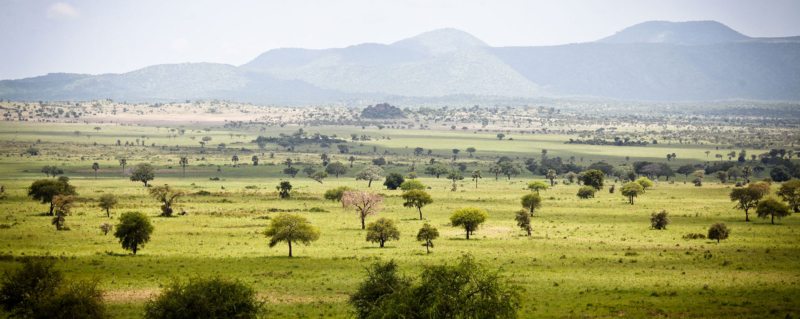
What visitors find today is a landscape unlike anywhere else in Uganda. Two river valleys, Narus and Kidepo, run beneath the Morungole massif, whose 2,750-meter summit marks the improbable point where Uganda, South Sudan, and Kenya nearly converge. The dry-season Narus Valley concentrates wildlife around one of the park's few permanent water sources, while the more arid Kidepo Valley, fed mainly by the Kanangorok hot spring near the South Sudan border, stays wilder and emptier still. Rainfall is sparse and seasonal — under a meter a year even on the wetter Narus side — which is precisely why the dry months turn the valley floor into an open stage for wildlife.
And the wildlife here shows up. Kidepo holds species found nowhere else in Uganda's park system: cheetah and black-backed jackal roam its plains, and it is the only Ugandan park with ostriches. Its Rothschild's giraffe population, reduced to just three animals in 1992, has been rebuilt through translocations from Kenya and Murchison Falls to nearly ninety today, and more than 300 Uganda kob have been reintroduced since 2017. The biggest headline, though, arrived only this past March, when four southern white rhinos were trucked in from Ziwa Rhino Sanctuary in the country's south, restoring a species that had vanished from Kidepo by 1983 and completing the park's claim to Africa's Big Five — lion, leopard, elephant, buffalo, and now, once again, rhino. Altogether the park counts more than 77 mammal species and 476 recorded bird species, a tally that keeps serious birders coming back through the wetter months even after the prime game-viewing season has passed.
Game drives through the Narus Valley remain the centerpiece of a Kidepo visit, typically run at dawn and dusk from lodges clustered near the park headquarters at Apoka. Walking safaris are permitted around headquarters with an armed ranger, and the more adventurous can push into the remote Kidepo Valley itself, best known these days as prime ostrich territory and about as far from another vehicle as Uganda gets. The dry season, roughly September through March, is the standard recommendation for game viewing, when thin vegetation and concentrated water sources make sightings easier; birders willing to trade some visibility for variety often prefer the wetter months from April to August instead. Entry runs $40 a day for non-resident foreign adults ($20 for children five to fifteen, free under five), $30 for foreign residents, and UGX 20,000 for East African citizens, with separate vehicle fees on top, and each payment covers only a 24-hour window of game drives — other activities are billed separately. Because of the distance involved, most visitors fly in on a scheduled or chartered light aircraft from Entebbe rather than attempt the long overland route, and pairing Kidepo with a stop at Karamoja's cultural sites is a common way to justify the journey.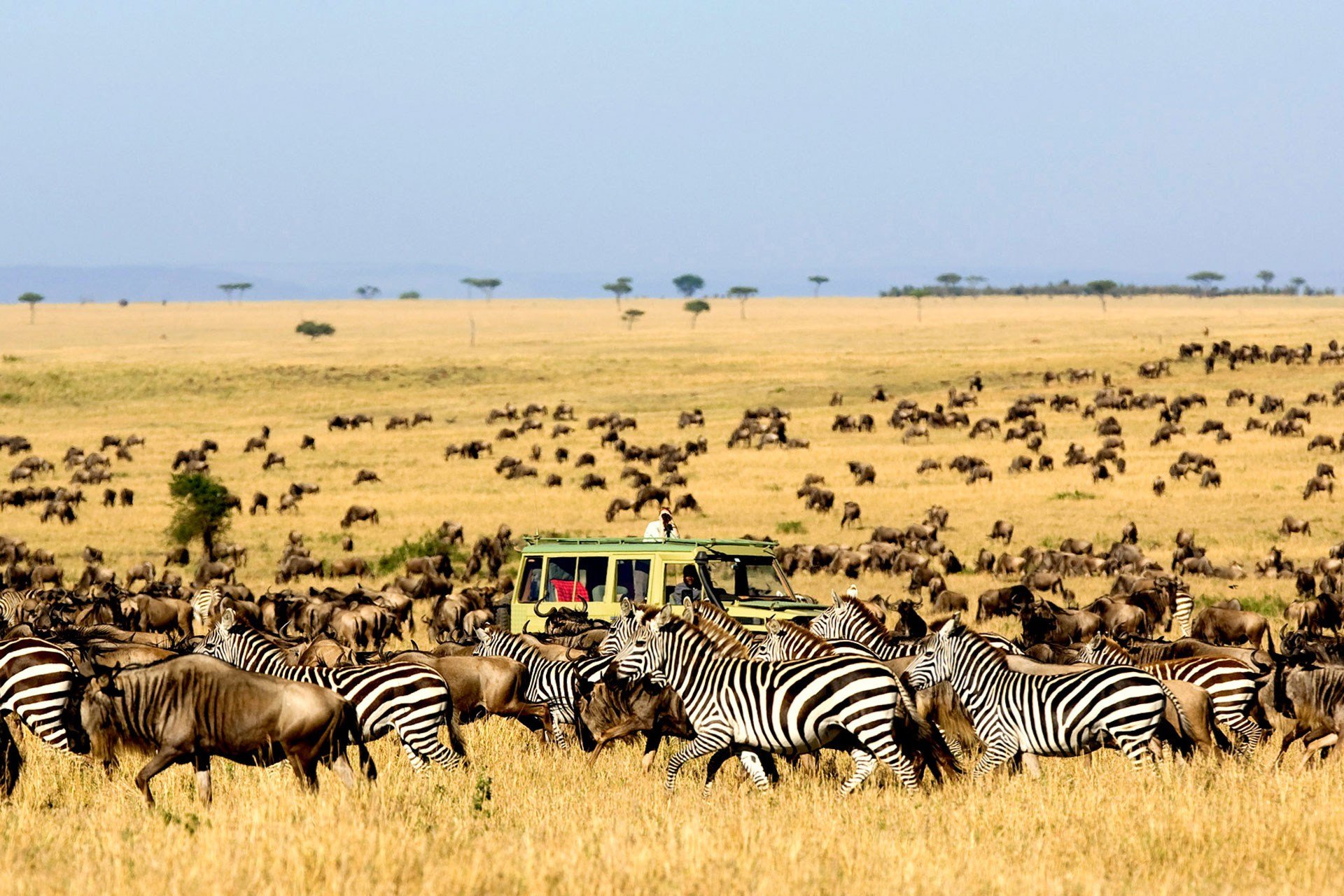
This Week in Ugandan Tourism
Timing, this week, could not favor Kidepo more. The Uganda Wildlife Authority is running its Open Park Days from September 25 through 27, 2026, waiving or sharply reducing entry fees at five protected areas — Murchison Falls, Queen Elizabeth, Lake Mburo, Kidepo Valley, and Pian Upe Wildlife Reserve — to draw Ugandan and East African visitors into parks many have never seen, complete with free guided game drives and access to marquee spots like the Top of the Falls at Murchison. The promotion is deliberately timed to World Tourism Day, which Uganda is marking nationally in Mbale on September 27 with exhibitions, cultural performances, and a regional conference spotlighting Mount Elgon, Sipi Falls, and the coffee-growing Bagisu community of the eastern Elgon region.
The occasion has also become a moment for the sector to take stock. At a World Tourism Day conference in Kampala on September 25, the Uganda Tourism Board reported that international arrivals reached 739,815 in the first half of 2026, up 3.7 percent year-on-year, while tourism receipts jumped 25.6 percent to roughly UGX 2.3 trillion; the average visitor stay also stretched from 7.4 to 8.3 nights. That builds on a strong 2025, when Uganda logged 1.64 million international arrivals — a 19.7 percent jump from 2024 — worth an estimated US$1.62 billion and supporting close to 876,000 jobs, around 5.9 percent of GDP. At the same Kampala conference, UTB's Arthur Lwamafa floated an “AI-powered Explore Uganda Travel Companion,” a planning tool meant to match travelers' interests to verified attractions, accommodation, and activities as more trip discovery shifts to AI-driven search.
Uganda is also chasing that growth abroad. A 2026 European push has put Uganda-branded buses on the streets of Paris, landed an eleven-day safari itinerary on the French travel program Échappées Belles, and carried the country's pitch to FITUR Madrid in January, with bilateral tourism talks in Portugal following in June. Entebbe International Airport, meanwhile, handled 2.49 million international passengers in 2025, helped by Uganda Airlines' nonstop service to London Gatwick running four times weekly since May 2025 — the kind of connectivity that, together with open park gates and a returning rhino population, is quietly making it easier to reach places as far-flung as Kidepo.



