Written By |
Jinja and the Source of the Nile: Uganda’s adventure capital still earns its name
Before dawn on the northern shore of Lake Victoria, the water leaves the lake in a smooth, unhurried slide. There is no cascade and no cliff, only a broad bend of brown-green current gathering itself for a journey of some 6,650 kilometres through Uganda, South Sudan, Sudan and Egypt to the Mediterranean. Fishermen paddle out in wooden boats as the mist lifts. This is the Source of the Nile at Jinja, and for a place that marks the start of the world’s most storied river, it is startlingly calm.
That calm is the secret of Jinja. Downstream of the source, the same river turns into some of the most celebrated whitewater on the continent. Upstream, it is a quiet lake edge dotted with monuments, craft stalls and tour boats. Between the two sits a town about 80 kilometres east of Kampala that has reinvented itself as East Africa’s adventure capital, and then, increasingly, as something gentler: a place to linger.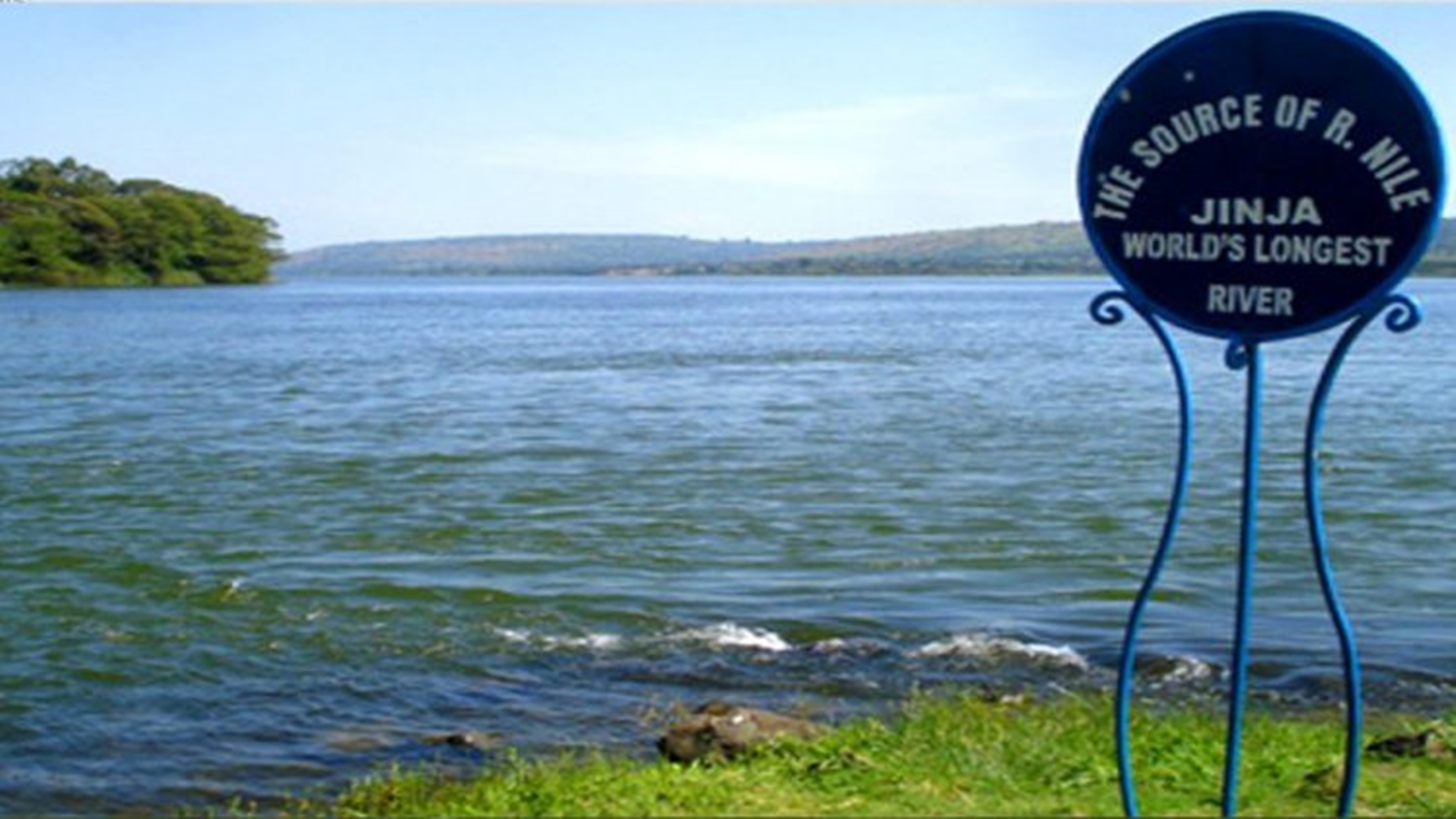
A river’s long-sought beginning
For centuries, the origin of the Nile was one of geography’s great puzzles. In 1862 the British explorer John Hanning Speke stood on the rise above this outflow and identified the lake he had named Victoria as the river’s headwater. A monument to Speke still marks the vantage point, and the spot remains a small place of pilgrimage for history-minded travellers. A second memorial recalls a very different visitor: part of Mahatma Gandhi’s ashes were immersed in the Nile here in 1948, and a Gandhi memorial draws many visitors from Uganda’s Indian community and beyond.
The most atmospheric way to see the source is from the water. Local boatmen run short trips out to the point where the lake spills into the river, and the standard recommendation among operators is to time it for sunset, when the light turns the surface copper and cormorants and kingfishers work the shoreline. Birders will find that the stretch is rich in water birds, and a gentle cruise remains one of the least expensive ways to spend an hour in the country.
The adventure engine
Just downstream, the river is a different animal. Whitewater rafting on the Nile has put Jinja on the global adventure map, with operators running full-day trips through Grade 5 rapids. Entry-level prices have been quoted from around USD 135 per person, with lunch and safety kayakers typically included. Kayaking, tubing and stand-up paddleboarding round out the water menu, and kayak schools offer multi-day courses for those who would rather learn to read the river themselves.
On land, a 44-metre bungee platform overlooks the river and has long been quoted at about USD 115 for foreign visitors, with a lower rate for Ugandans. Quad biking through villages and sugar plantations is sold by the hour, and horse riding and mountain biking are easy to arrange. A word of caution: most of these prices come from operator listings that can change with the season, so confirm rates directly when you book.
Many travellers do not realise how much has changed on this stretch of the river. The impoundment created by the Bujagali hydropower dam, which came on stream in 2012, submerged the original Bujagali Falls and reshaped some of the rapids. The adventure industry adapted, moving its headline runs and introducing new launch points, and the Nile remains a reliable source of thrills. Visitors who remember the old falls will notice the difference; first-timers will simply find a wide, powerful river.
Beyond the adrenaline
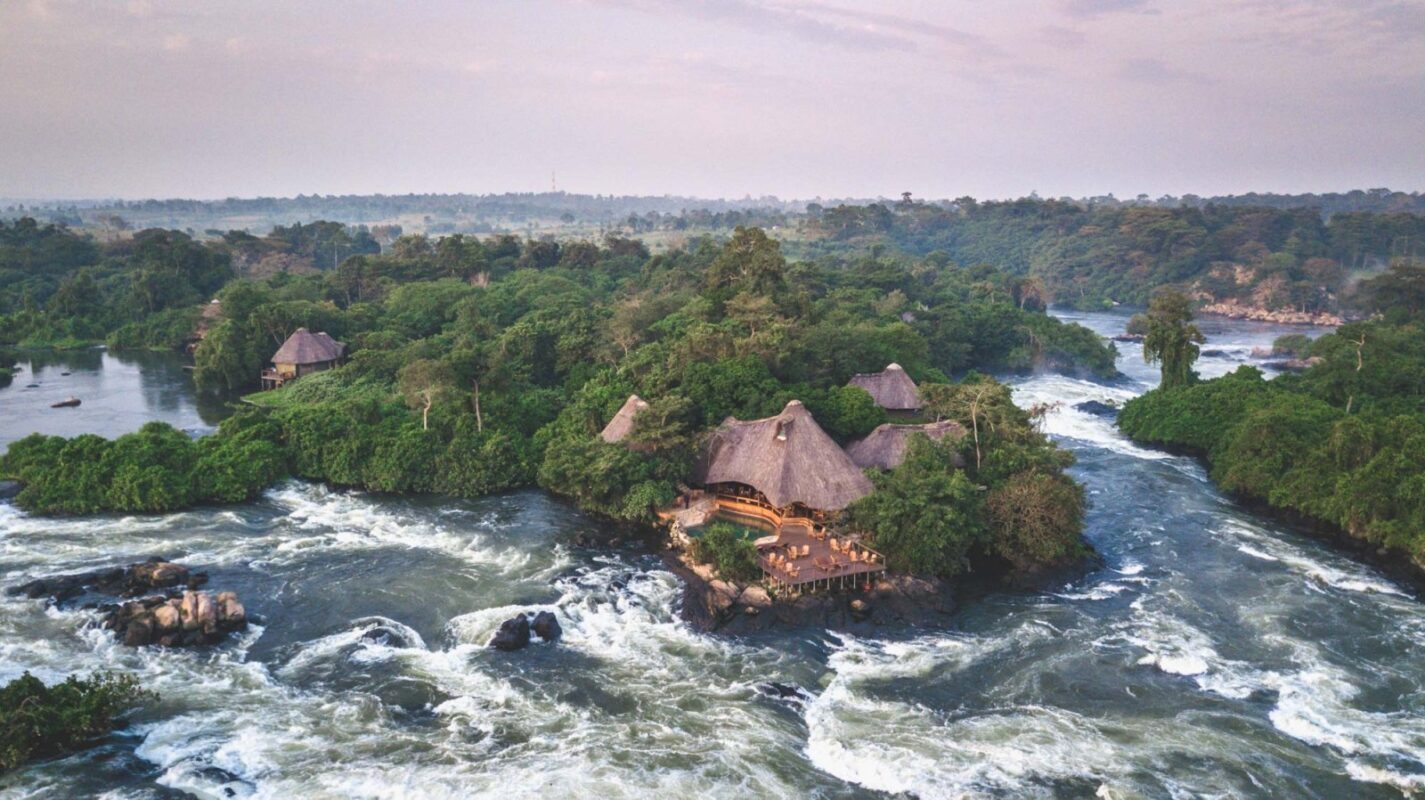
The quieter Jinja is the one that increasingly keeps visitors for a second night. The town’s old main street preserves colonial-era buildings, including the restored 1919 Madhvani House, and cafés, craft shops and riverside lodges have multiplied. Boutique stays on the water suit those who want sunsets rather than rapids, and fishing villages along the shore welcome visitors who want to see how life on the lake works. The Source of the Nile Bridge, which carries traffic across the river near the dam, gives the city a new landmark and a faster road link.
Jinja is also a natural base for combining water with culture. Cultural tours, coffee and craft experiences, and visits to nearby falls make a three-day stay feel full without a single rapid. Families who would never dream of Grade 5 whitewater find plenty to do, and the town’s relaxed pace is part of the draw.
Planning your visit
Jinja sits about 80 kilometres from Kampala, and the drive usually takes around two hours by private vehicle, though traffic on the Kampala–Jinja highway can stretch it considerably. Shared minibus taxis run the route for a modest fare, and most tour operators include transfers. Rafting and boating operate year-round. The drier months, roughly December to February and June to August, bring the most reliable weather, while the rains in March to May and September to November can make roads muddy and skies grey but also keep the river full and the countryside green. Pack a hat, reef-safe sunscreen and a quick-dry change of clothes, and book adrenaline activities through operators with clear safety standards and certified guides.
Costs vary widely. A source-of-the-Nile boat trip is among the cheapest activities in the country, rafting and bungee sit in the mid-range for foreign visitors, and lodging runs from backpacker dorms to high-end riverside lodges. Residents and East African citizens generally pay lower rates, so ask operators about them.
This Week in Ugandan Tourism
24–27 September 2026 — The Uganda Wildlife Authority opened five national parks free of charge for three days (25–27 September) ahead of World Tourism Day, aimed at Ugandans who have never entered a park and at communities living beside protected areas. Local coverage described strong turnout at Queen Elizabeth National Park.
15–17 September 2026 — A delegation of 17 destination management companies and tour operators promoted the “Pearl of Africa” brand at IFTM Top Resa in Paris. Uganda reported 1,642,215 international arrivals in 2025, up 19.7 percent, with receipts of about US$1.62 billion, and is targeting at least 13,000 French visitors.
Early October 2026 — Uganda is marketing itself to Ethiopian travellers at Oromia Tourism Week, following a ten-day familiarisation trip for Ethiopian media, operators and investors after the Pearl of Africa Tourism Expo in May–June.
Late September 2026 — Reports from the Bwindi region describe communities linking gorilla conservation to local health services and livelihoods, reinforcing the revenue-sharing model that underpins Uganda’s protected areas.
Looking ahead — Uganda’s tourism promotion is increasingly built around the 2027 Africa Cup of Nations, which it co-hosts, with new lodges and events being marketed to visitors expected for the tournament.
Figures and dates in this section are drawn from news reports and official releases available on 3 October 2026; check with the Uganda Tourism Board or the Uganda Wildlife Authority before travelling.
As the sun drops behind the lake and the boats head home, the source of the Nile does what it has always done: it lets go of Victoria and begins the long walk north. Stand there for a few minutes and you will understand why explorers argued over it for a century, and why Ugandans are now quietly inviting everyone else to come and see it for themselves.



