Written By |
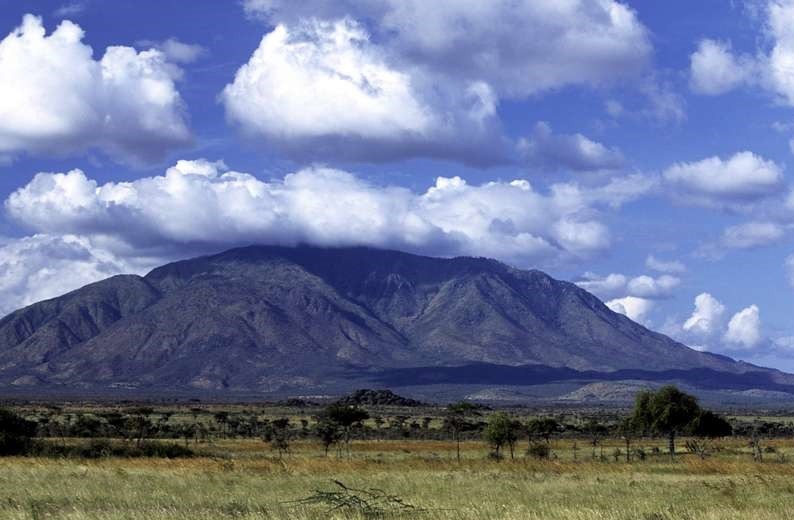
Straddling the border with Kenya, Mount Elgon is the shell of an extinct volcano, once among the tallest in Africa before it collapsed in on itself
Before the sun clears the rim of the caldera, the cold on Mount Elgon bites through even the thickest fleece. Mist pools in the moorland below, giant groundsels stand like sentries in the half-light, and somewhere beyond the ridge a stream swollen by the night's mist is already tumbling toward the plains of eastern Uganda. This is the mountain's quiet hour, and it belongs to those willing to climb for it.
Straddling the border with Kenya, Mount Elgon is the shell of an extinct volcano, once among the tallest in Africa before it collapsed in on itself. What remains is a sprawling massif whose Ugandan slice, protected as Mount Elgon National Park, covers roughly 1,145 square kilometres. Its highest point on the Ugandan side, Wagagai, rises to 4,321 metres, making it the fourth highest peak in East Africa. Unlike Kilimanjaro or Mount Kenya, however, it asks for no technical skill and sees only a fraction of the crowds. It is, in the words of many guides, the gentle giant of the region.
For travellers weighing Elgon against Uganda's better-known draws, the appeal is its rhythm. There are no gorilla permits to book months ahead and no game drives to rush between; the mountain sets a slower pace. Days are spent walking through changing ecological zones, evenings around a camp stove with guides who know every ridge, and the reward at the end is a view across the caldera toward the Kenyan frontier. It pairs naturally with a stop at nearby Sipi Falls, where three cascades drop down the mountain's flank and coffee farms offer both walks and a warm cup at the end of them.
The mountain and its trails
The hiking experience is built around two principal routes. The Sasa trail, which starts near Budadiri, is the most direct line to the caldera and is steep from the very first morning, climbing through farmland into montane forest and then bamboo before breaking out into heath and open moorland. The Piswa trail begins on the northern side, reached via the Kapchorwa road, and is longer and gentler, rewarding walkers with wide views and a better chance of meeting wildlife. A third option, the Sipi trail, connects the mountain to the celebrated waterfalls on its slopes. Most visitors allow four to six days for the full crossing to Wagagai and back, sleeping in simple camps and huts, though shorter day walks to waterfalls, caves and viewpoints are easy to arrange with a ranger guide.
Caves, hot springs and wildlife
The caldera floor is part of the draw. Hot springs still bubble in the crater, and hikers who reach them find a welcome soak for tired legs. Lower down, the mountain's caves have a long and storied reputation, shaped over centuries by animals digging for the mineral salts in the rock. Forest elephants have long been associated with these caverns, and rangers report that elephants crossing back from Kenya have returned to the park in recent years. Buffalo, duiker, tree hyrax and leopard live on the slopes, along with colobus and other primates. For birders the mountain is a prize: Ross's turaco, hornbills and the crowned eagle are among the species most often noted, and the high moorland holds specialities found nowhere else in the country.
The Bagisu and their mountain
No profile of Elgon is complete without the Bagisu, the Bamasaaba people who live on its slopes and regard it as an ancestral home. Their coffee terraces, grown in the volcanic soil, produce the renowned Arabica that carries the mountain's name, and community walks and coffee tours let visitors follow the bean from tree to cup. The Imbalu circumcision festival, a major rite of passage held in even-numbered years, is a vivid expression of the culture that surrounds the park and is worth planning a trip around when the calendar allows.
Planning your visit
The gateway is Mbale, roughly four hours by paved road from Kampala via Tororo, with the park's trailheads a short drive beyond. The driest and most comfortable hiking windows are June to August and December to February, when trails are firmer and views clearer; the rains turn the upper slopes slick and cloudy, though the waterfalls are at their most dramatic. Published figures put entrance at roughly US$14 for a day visit and about US$28 for stays of two to five days for foreign non-residents, with camping around US$9.50 per person per night and a ranger guide about US$6.70 for a half day. Fees change, so confirm current rates with the Uganda Wildlife Authority before travelling. Pack layers, a waterproof shell, good boots and warm sleeping gear, because nights at altitude fall close to freezing. Porters and guides are available at the trailheads and are well worth hiring, both for the load they carry and for the income they bring to the communities.
This Week in Ugandan Tourism
Sector turns to AI and digital tools (1 October). The Tourism Development Programme's 4th Annual Performance Review Conference met under the theme "Digital Agenda and Artificial Intelligence to Redesign Tourism," with Minister of State for Finance Henry Musasizi as chief guest. Discussions centred on AI-driven destination marketing, better visitor experiences and data-led decisions.
Uganda showcases at Oromia Tourism Week (29 September to 1 October). A delegation led by Uganda Tourism Board CEO Lilly Ajarova promoted Uganda in Addis Ababa, with virtual-reality previews of destinations on the booth, as part of a push into the Ethiopian market.
Uganda Airlines to fly Accra to Entebbe (from 27 October). The carrier will launch direct flights to Ghana, followed by a Ghana-Uganda Trade and Business Forum in Accra on 28 October, aimed at trade, tourism and investment links with West Africa.
Government targets US$5 billion in tourism receipts by 2030. Figures cited for 2025 show about 1.64 million international arrivals and roughly US$1.62 billion in receipts, up 21.3% on 2024, with average stays of 8.8 nights. Plans include more than 280 kilometres of tourism roads, expansion of Entebbe airport and new airports at Kabalega and Kidepo.



