Written By | Torch Media Africa
Apple Awards
CUPERTINO
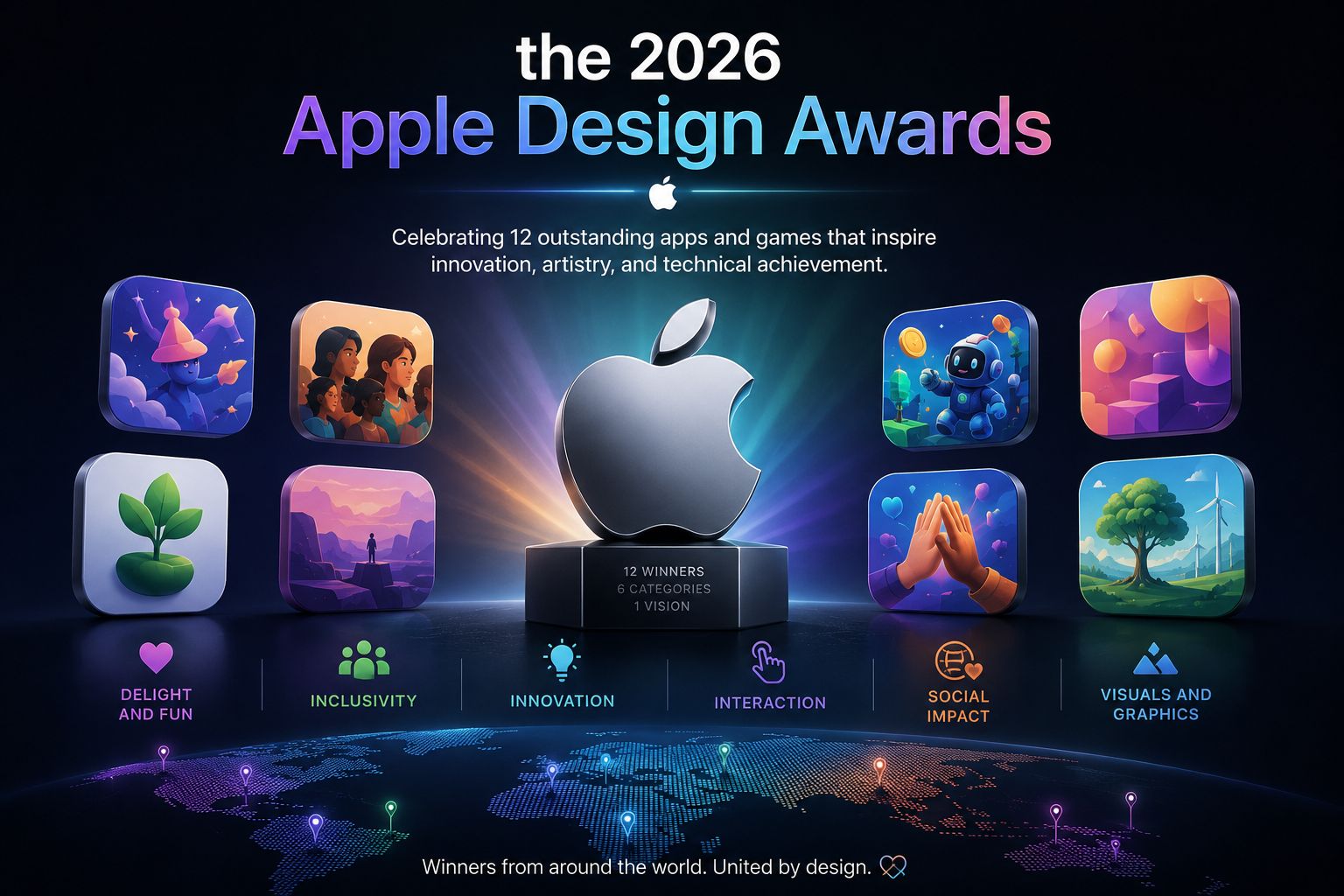
Every June, as Apple prepares to open its Worldwide Developers Conference, the company does something quietly significant: it names the best apps and games on the planet. Not the most-downloaded. Not the highest-grossing. The best-designed.
This year's Apple Design Awards, announced on June 2 and celebrated at WWDC26 beginning June 8, honored 12 winners selected from 36 global finalists — one app and one game in each of six categories: Delight and Fun, Inclusivity, Innovation, Interaction, Social Impact, and Visuals and Graphics. Taken together, they are a snapshot of where the most ambitious designers in the world are directing their energy. And that snapshot is, in several ways, unexpected.
The Winners, And What They Tell Us
Start with Blue Prince, the puzzle adventure game that won the Innovation award for games. In an industry locked in an arms race over graphical fidelity and open-world scale, Blue Prince is almost perversely simple: a room-building game where players explore a mysterious mansion by drafting room cards. Its visual style is deliberately low-fi, darkly comic, and infused with wit.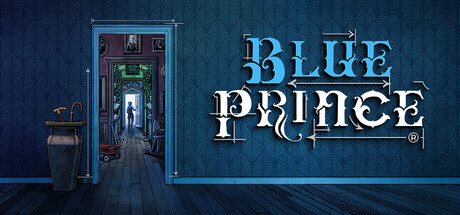
Creative Bloq described Blue Prince as "a darkly comic low-fi indie game" whose victory represents a broader shift in what Apple — and the design community — values in interactive experiences. Innovation, the judges decided, does not require a $200 million budget. It requires a genuinely new idea, executed with care.
On the apps side, the Innovation award went to NBA: Live Games and Scores — a choice that seems counterintuitive until you look closely. Rather than just presenting statistics, the app uses real-time data visualization and contextual AI storytelling to make live games feel narratively coherent, even on a phone screen while multitasking. It treats live sport not as a broadcast problem but as a design problem — and solves it elegantly.
Designing For Everyone
The Inclusivity category generated genuine enthusiasm. The winner, Guitar Wiz by Bijoy Thangaraj, is a guitar learning toolkit combining spoken instructions, pitch support, and finger placement guidance — built with blind and visually impaired players in mind, but designed so that it enhances the experience for everyone.
"Guitar Wiz doesn't treat accessibility as a checklist," one reviewer wrote. "It treats it as a design philosophy." This is, in microcosm, the argument Apple has been making for years: designing for the margins improves the experience at the center.
Pine Hearts, which won Inclusivity for games, extends the same logic into interactive storytelling. The game follows a character processing grief through restoring a caravan park, noted for its emotional accessibility — pacing that never punishes, narrative that never overwhelms, and a deliberately calming visual language.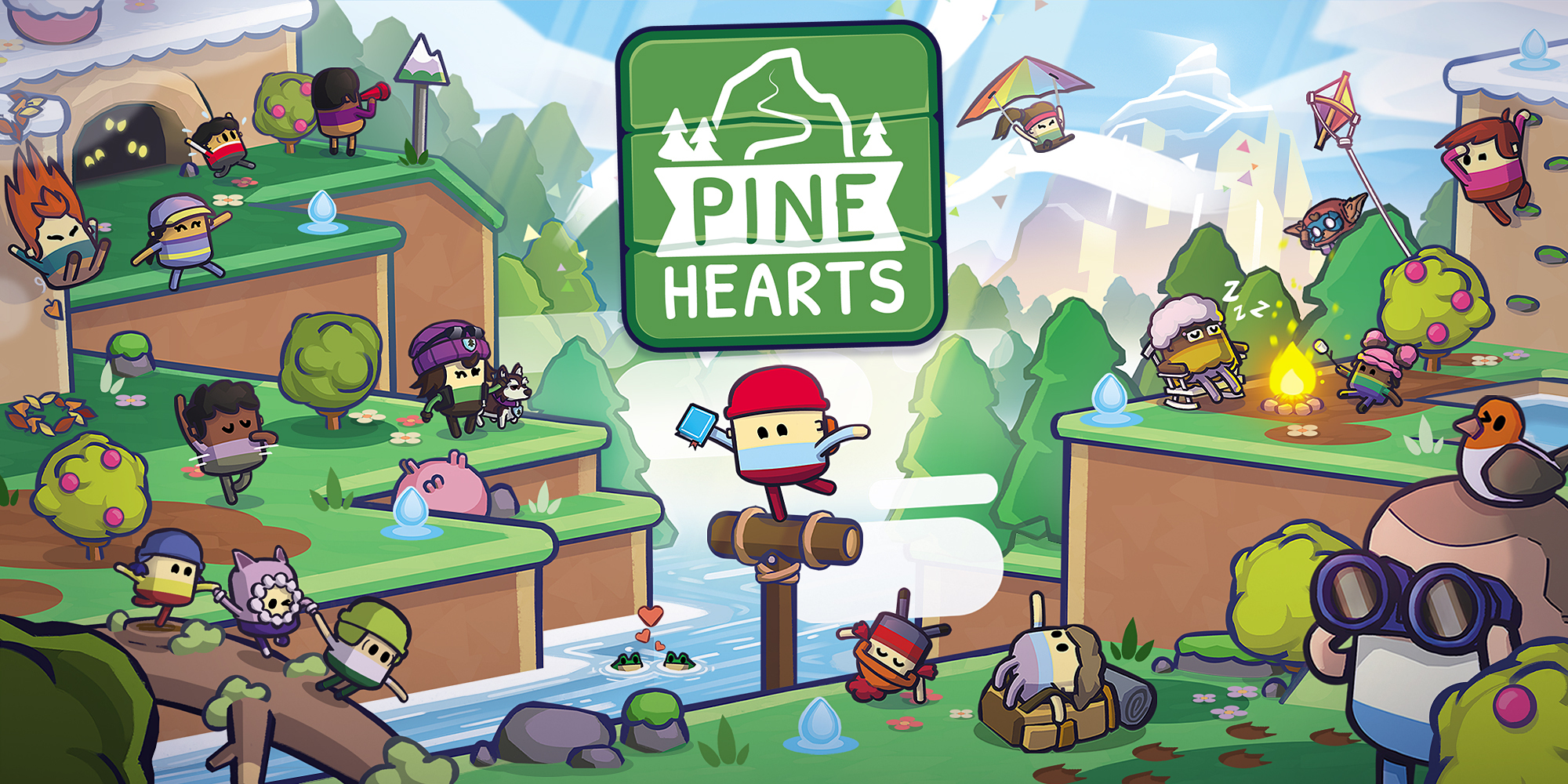
Social Impact And The Games That Try
The Social Impact category makes the most direct claim about what technology should be for. This year's app winner, Primary: News in Depth, is a news literacy platform that helps readers understand media bias, distinguish sources, and develop critical thinking skills. In an era of algorithmic misinformation, Primary argues that the best design intervention is one that makes people smarter.
The game winner, Consume Me, takes a blunter approach. Described by the jury as "a searing commentary on digital overconsumption," it satirizes the attention economy by literalizing it — inviting players to manage a character whose body expands as they mindlessly consume content. It is funny, uncomfortable, and genuinely hard to put down.
The AI Dimension
It is impossible to discuss this year's awards without addressing the context: an industry in the middle of a fundamental reckoning with artificial intelligence. WWDC26 is expected to include major AI announcements — and the Design Awards offer a preview of how Apple thinks about AI capability and human-centered design.
Several winning apps incorporate AI in ways notable for how unobtrusive they are. The NBA app uses AI for contextual storytelling. Guitar Wiz uses AI-driven pitch detection. Moonlitt, the Interaction award winner, uses AI for hyper-local moon phase data in a meditative visual language. In each case, the technology is present but invisible — deployed in service of an experience rather than marketed as a feature.
Moonlitt App
This is a design philosophy: AI humility — the idea that the most sophisticated use of AI is often the use the user never notices. In an era when many products lead with AI credentials as a marketing claim, Apple's award choices advance a different argument: excellence in design means technology disappears into the experience.
Visuals That Stop You
The Visuals and Graphics category produced the year's most striking juxtaposition. On the apps side, Tide Guide: Charts and Tables — a navigation and coastal data app — won for its extraordinary data visualization, presenting tidal charts in a system that is both technically precise and genuinely beautiful.
On the games side, the winner was Cyberpunk 2077: Ultimate Edition — the definitive version of CD Projekt Red's RPG, now fully optimized for Apple Silicon. The choice reflects Apple's push to establish its devices as serious gaming platforms, and Night City remains one of the most visually accomplished worlds in the medium.
What It Means To Design Well In 2026
Taken together, the 2026 Apple Design Awards describe a moment where design is wrestling with several things at once: AI as both tool and challenge, the responsibility of technology to serve rather than exploit, and the enduring importance of craft over scale.
Blue Prince is a better game than most big-budget titles not because it has more — it has less. Guitar Wiz serves more users more effectively not by adding features but by rethinking the core experience for someone never centered in the design conversation. Primary: News in Depth is more valuable in 2026 than perhaps any other year because the problem it solves has never been more urgent.
Design, at its best, is the practice of deciding what matters and organizing everything around that decision. This year's winners — twelve apps and games built by developers from around the world — have each made that decision with unusual clarity.
WWDC26 opens in two days. The industry will have much to say about what comes next in technology. But the Design Awards, announced quietly last Tuesday, may have already said what matters most: that the future of technology looks like the best of the present — and the best of the present is more human, more considered, and more carefully made than we sometimes remember to notice.



