Share
In the wake of the tragic incident at a daycare in Ggaba, Kampala, public discourse has quickly shifted toward mental health. Some commentators and self-styled experts have rushed to attribute the suspect’s actions to mental illness. Yet, preliminary psychological assessments reportedly indicate that the accused was of sound mind. This raises an uncomfortable but necessary question: are we too quick to label acts of extreme violence as mental health issues?
There is a growing tendency to medicalise evil. While mental illness is real and deserves serious attention, not every act of brutality can—or should—be explained through that lens. Doing so risks distorting both justice and public understanding. Carefully planned and executed crimes often demonstrate calculation, intent, and awareness—traits that do not easily align with severe mental impairment.
History offers numerous examples of individuals and groups who have orchestrated large-scale violence with precision and ideological clarity. Whether in acts of terrorism, war, or organised crime, perpetrators are frequently driven by beliefs, strategy, and, at times, a chilling sense of purpose. To reduce such actions solely to mental illness may oversimplify a far more complex reality.
This is not to deny the role psychology plays in human behaviour. Rather, it is to caution against conflating moral failure with mental disorder. Violence can stem from many sources: anger, ideology, power, desperation, or deeply ingrained social conditioning. In some cases, it reflects a deliberate choice rather than a clinical condition.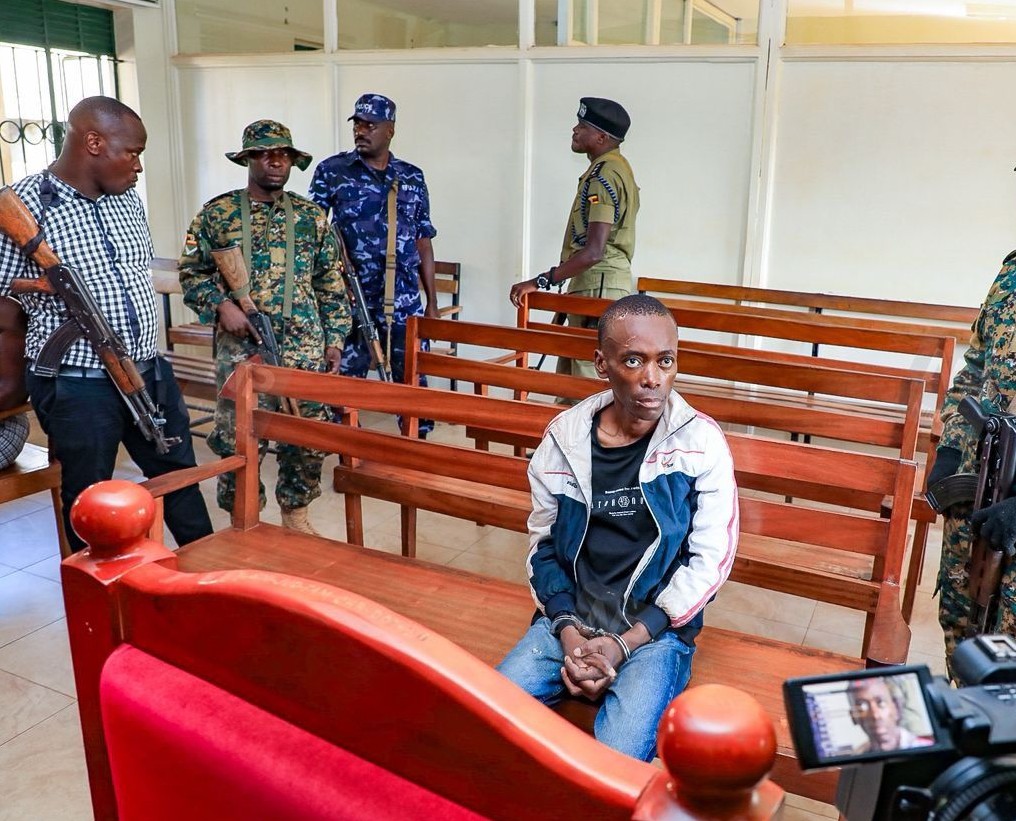
At a deeper level, the discussion forces us to confront an unsettling truth about human nature. Human beings are capable of remarkable compassion, but also extraordinary cruelty. Across history, violence has been a constant—whether for survival, control, or belief. This duality is part of the human condition, not an anomaly that can always be pathologised.
Modern society rests on the assumption of individual responsibility. Legal systems, moral codes, and social order depend on the idea that people are accountable for their actions. While mental illness can mitigate responsibility in certain cases, overextending this explanation risks eroding accountability altogether.
None of this diminishes the importance of mental health awareness. On the contrary, genuine mental health challenges must be addressed with seriousness, empathy, and professional care. However, clarity is essential: not all wrongdoing is illness, and not all perpetrators are patients.
As the country reflects on the Ggaba tragedy, the focus should remain on justice for the victims, protection for the vulnerable, and a sober, evidence-based understanding of human behaviour. Sometimes, the hardest truth to accept is that acts of violence are not always the result of broken minds—but of conscious, human choices.
Torch Media Africa



