Share
In Nicolas Cage’s cult classic Lord of War, the arms dealer protagonist delivers a chilling monologue: every time a child’s skull is shattered by a bullet in Africa, someone, somewhere, rings the cash register. Two decades later, that uncomfortable truth still holds — perhaps more than ever.
As the war in Sudan grinds into its fourth year, with death tolls now estimated between 150,000 and 400,000, millions displaced, and systematic rape used as a weapon of war, one cannot help but notice a disturbing pattern in global moral outrage. The men who fuel, finance, and profit from such conflicts often walk free, sometimes even respected. Meanwhile, a musician like R. Kelly rots in an American prison, largely erased from public memory for his grotesque crimes against underage girls.
This is not a defence of R. Kelly. His actions were predatory, inexcusable, and deserving of severe punishment. The question is deeper: Why does society express such visceral, unrelenting fury toward individual sexual predators, yet often shrugs — or even celebrates — those responsible for industrial-scale suffering?
The answer lies in the psychology of distance and the politics of power. When a general or warlord orders bombings that kill civilians, or when arms dealers and political elites prolong conflict for gold mines and weapons contracts, the blood is on many hands. The victims are far away. The language of "national security," "strategic interests," or "complex tribal conflict" provides convenient cover. Victors are rarely prosecuted; they are often given book deals and speaking tours.
In contrast, R. Kelly’s crimes were intimate, personal, and impossible to abstract. There was no flag to hide behind, no "greater good" to invoke. In the age of #MeToo and social media, individual monsters are hunted with relentless efficiency. Collective monsters — those who profit from war — are much harder to confront because they often operate within systems we have normalized.
The war in Sudan offers a painful case study. What began as a power struggle between two generals has become one of the worst humanitarian disasters of our time. Women and girls are being raped on a horrifying scale. Children are starving. Young men are dying in pointless battles. Yet how many of the key actors — local warlords, foreign arms suppliers, or opportunistic businessmen — will ever face real justice? How many will die rich, surrounded by bodyguards and luxury?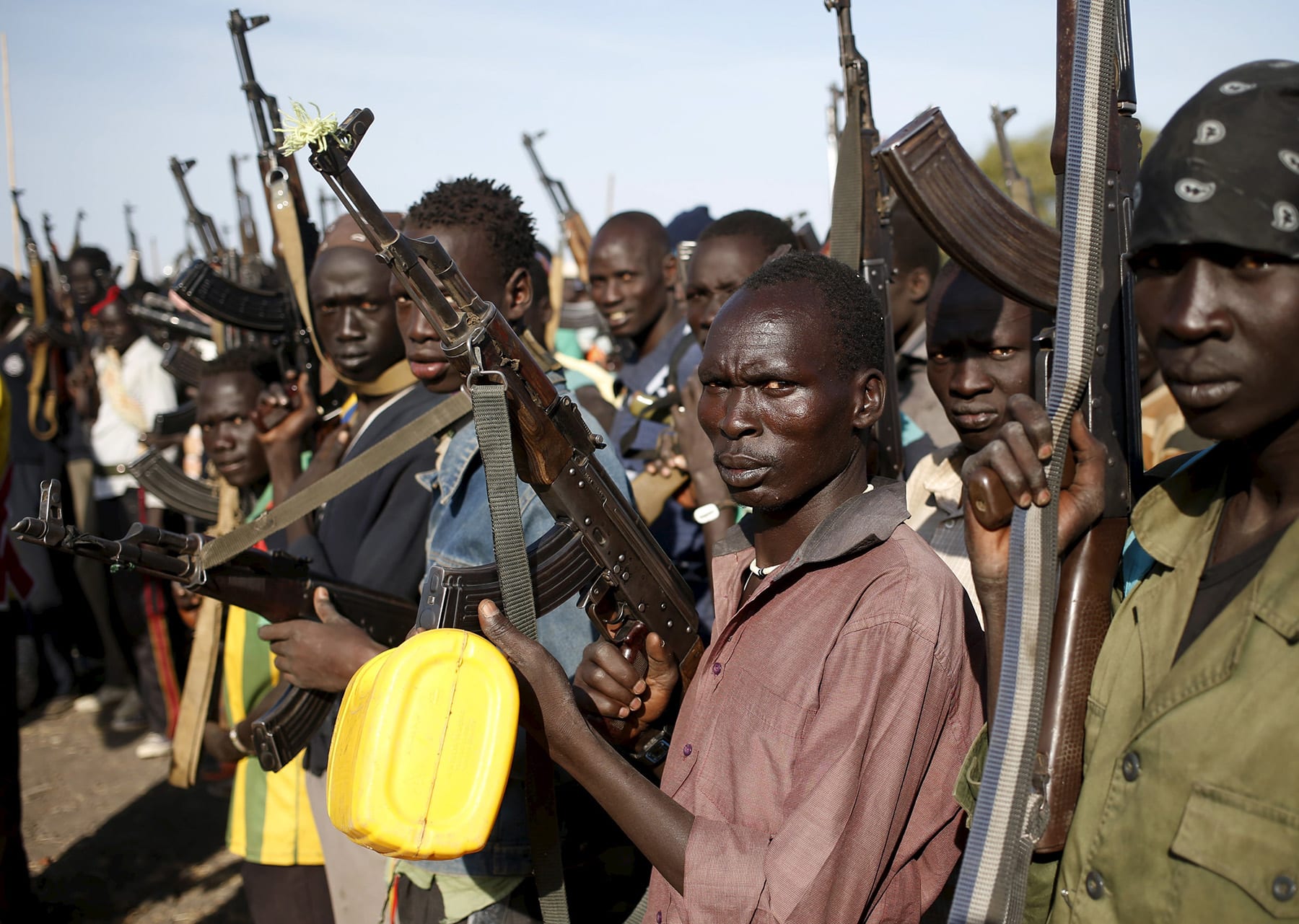
Instability in Sudan
We have created a moral hierarchy that is emotionally understandable but ethically inconsistent. Sexual violence against the vulnerable triggers deep evolutionary disgust and righteous anger. Large-scale violence through institutions feels bureaucratic, distant, and therefore easier to rationalize.
But numbers matter. Suffering on a massive scale matters. If we are serious about justice, we must confront the uncomfortable reality that the man who signs the contract for weapons that will be used to rape and slaughter entire communities bears greater moral responsibility than the individual sexual predator — however repulsive the latter may be.
True moral consistency demands that we apply the same standards of accountability to presidents, generals, and war profiteers that we apply to fallen celebrities. Until we do, our outrage will remain selective, our justice theatrical, and our humanity incomplete.
The cash registers in Lord of War are still ringing. The question is whether we will continue pretending not to hear them.
Torch Media Africa



