Share
By Ayella Amuru
I recently found myself in a spirited discussion with a long-standing NRM stalwart who seemed convinced that political power, once attained, can be held indefinitely. History, however, tells a very different story: all empires fall. It is not a matter of if — only when. Empires, whether political or ideological, often rise through liberation struggles, wrapped in the promise of economic and social reforms. The general population, weary of oppression or hardship, embraces these so-called liberators with hope. In the early years, such movements enjoy widespread legitimacy. But over time, the mission inevitably shifts from reform to the preservation of power.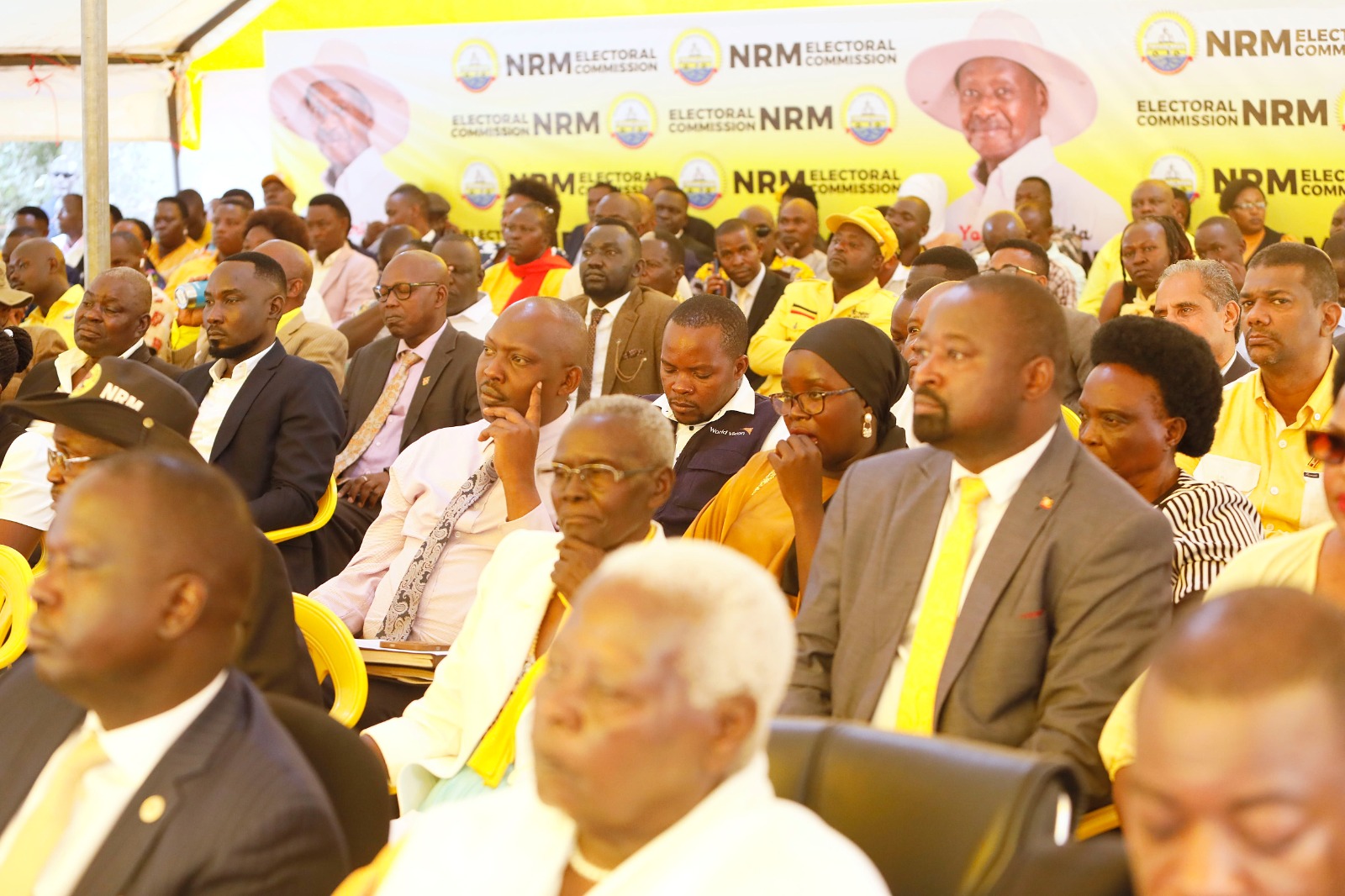
The rot from within
Once the goal becomes maintaining power, corruption seeps in — not as an accident, but as a natural consequence of human nature. Power corrupts, and absolute power corrupts absolutely. Leaders and their inner circles begin to think less about the public good and more about their personal security, wealth, and legacy.
As corruption spreads, economic stagnation and social unrest follow. The hope that once united a nation begins to wither. Ordinary citizens, burdened by hardship, start to look elsewhere for salvation. History shows that it is often a leader from humble, working-class roots — someone who can speak directly to the frustrations of the people — who emerges to lead this call for change.
Over time, such movements morph into powerful political forces, promising to sweep away the old order with fresh reforms. They may even succeed — for a while. But soon enough, the same patterns re-emerge. Corruption creeps back in, and the cycle repeats.
The lessons of history
From the Han and Qing dynasties in China, which spanned centuries but eventually collapsed, to the Roman Empire, which transformed into the Vatican, to the British Empire, which rebranded itself as a global financial hub after losing its colonies — no empire has proven immune to decline. The American global order, too, shows signs of strain. History’s verdict is clear: nothing lasts forever. Political systems rise, consolidate power, decay from within, and eventually fall. The NRM is no exception. Its collapse, whether sooner or later, is inevitable. And the system that replaces it will almost certainly follow the same arc.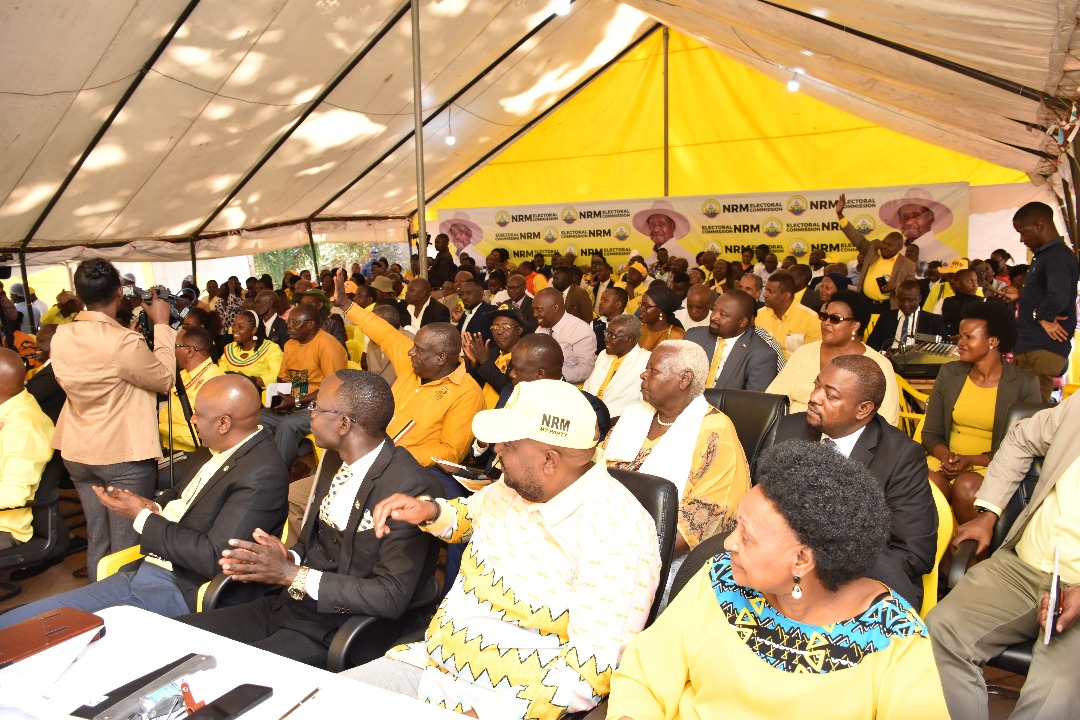
The inescapable human factor
Why does this happen? Because human thinking, by nature, is self-protective. We instinctively prioritise our own needs over others. Politicians are particularly skilled at framing personal or partisan interests as collective concerns, persuading the masses to accept them as universal truths. The danger lies in forgetting this reality. Citizens place blind faith in leaders; leaders overstay their welcome; corruption spreads; institutions weaken; collapse follows. It has happened for thousands of years, and it will happen again.
A final thought
Rather than resisting this truth, perhaps we should accept it as part of political life. Empires are not designed to last forever — they are designed to serve a purpose for a time. When they no longer do, the cycle must turn. The fall of the NRM, like the fall of every empire before it, will not be the end of history. It will simply be another chapter in the endless story of rise, decay, and renewal.
Torch Media Africa



